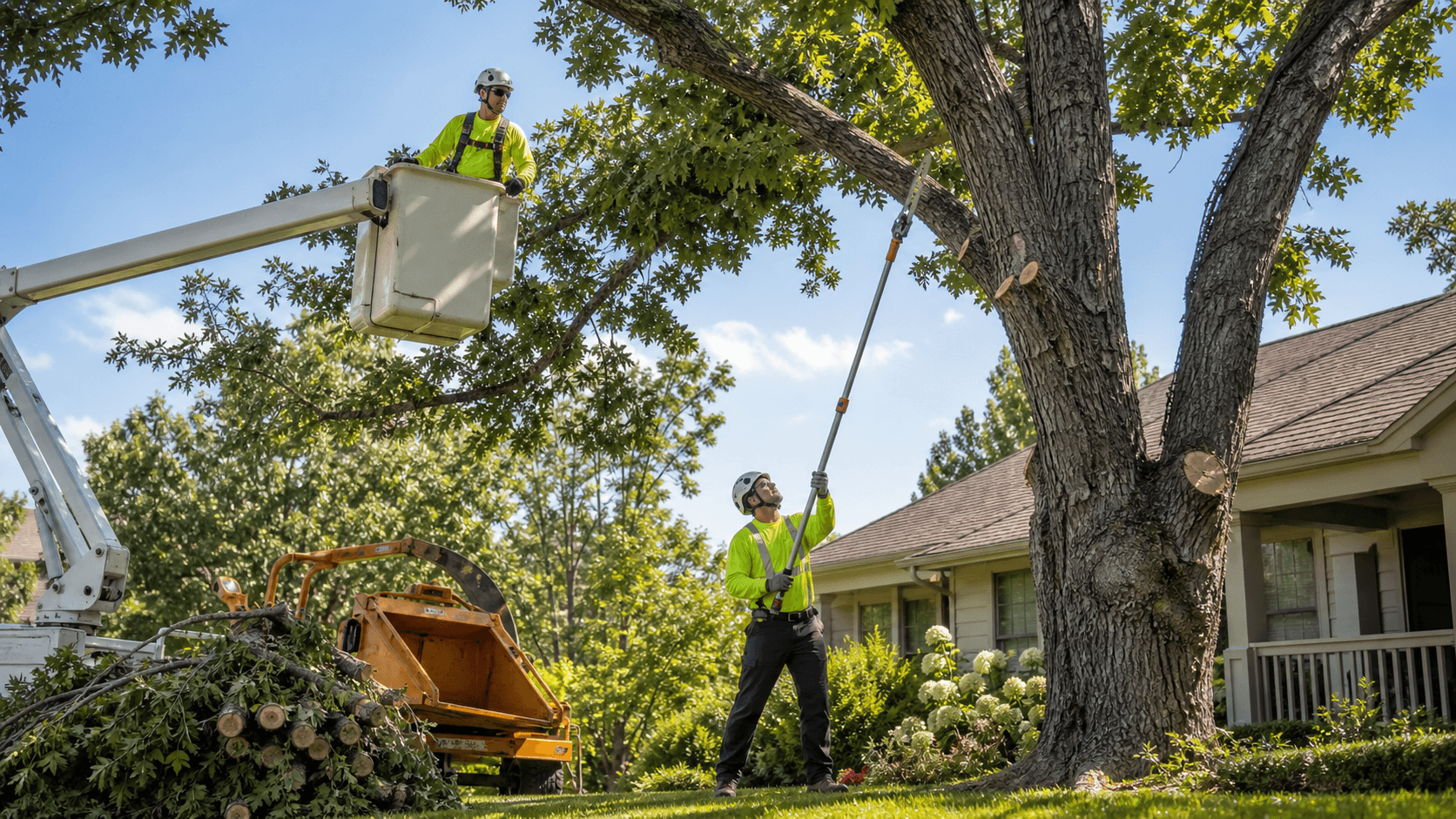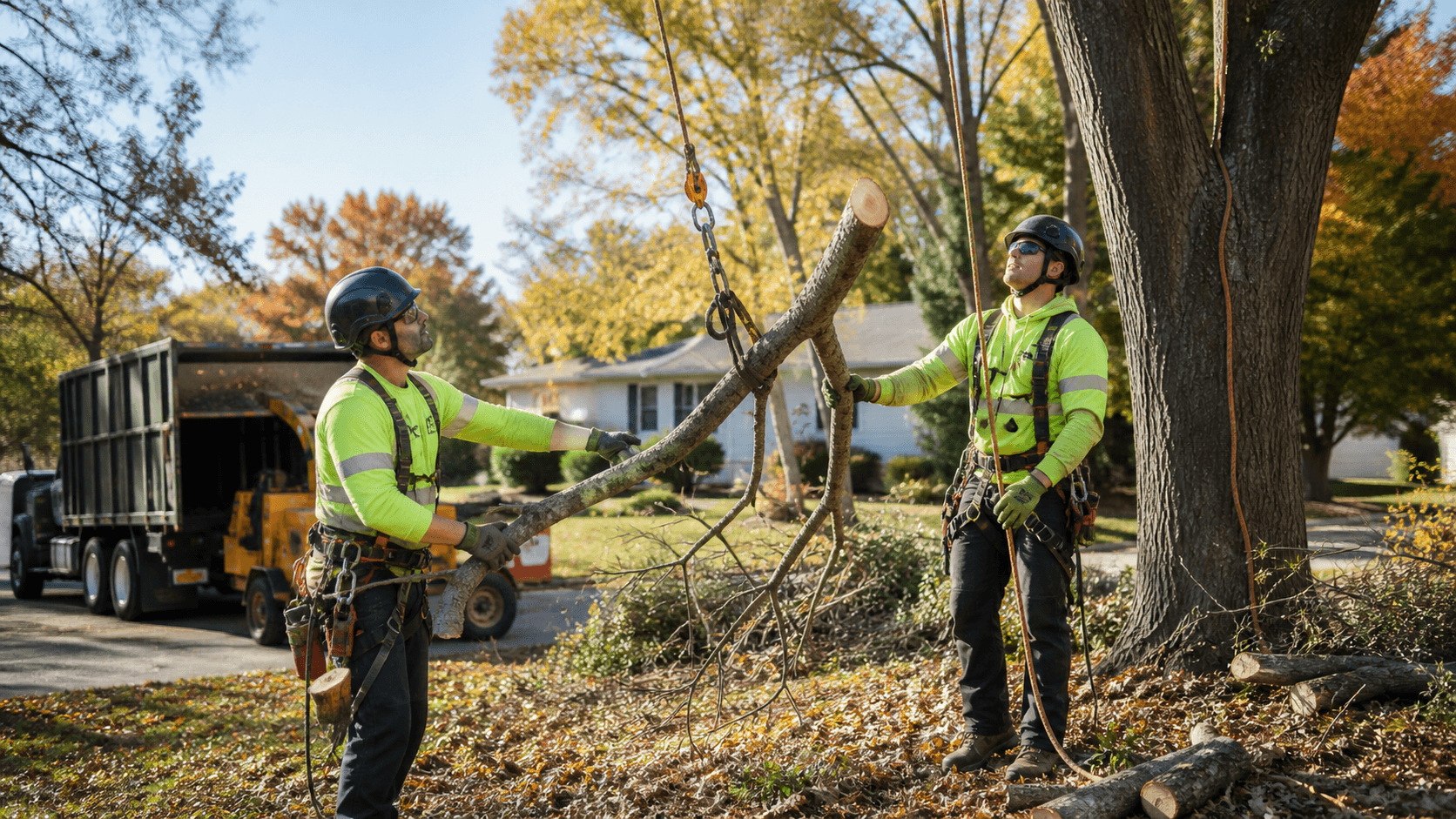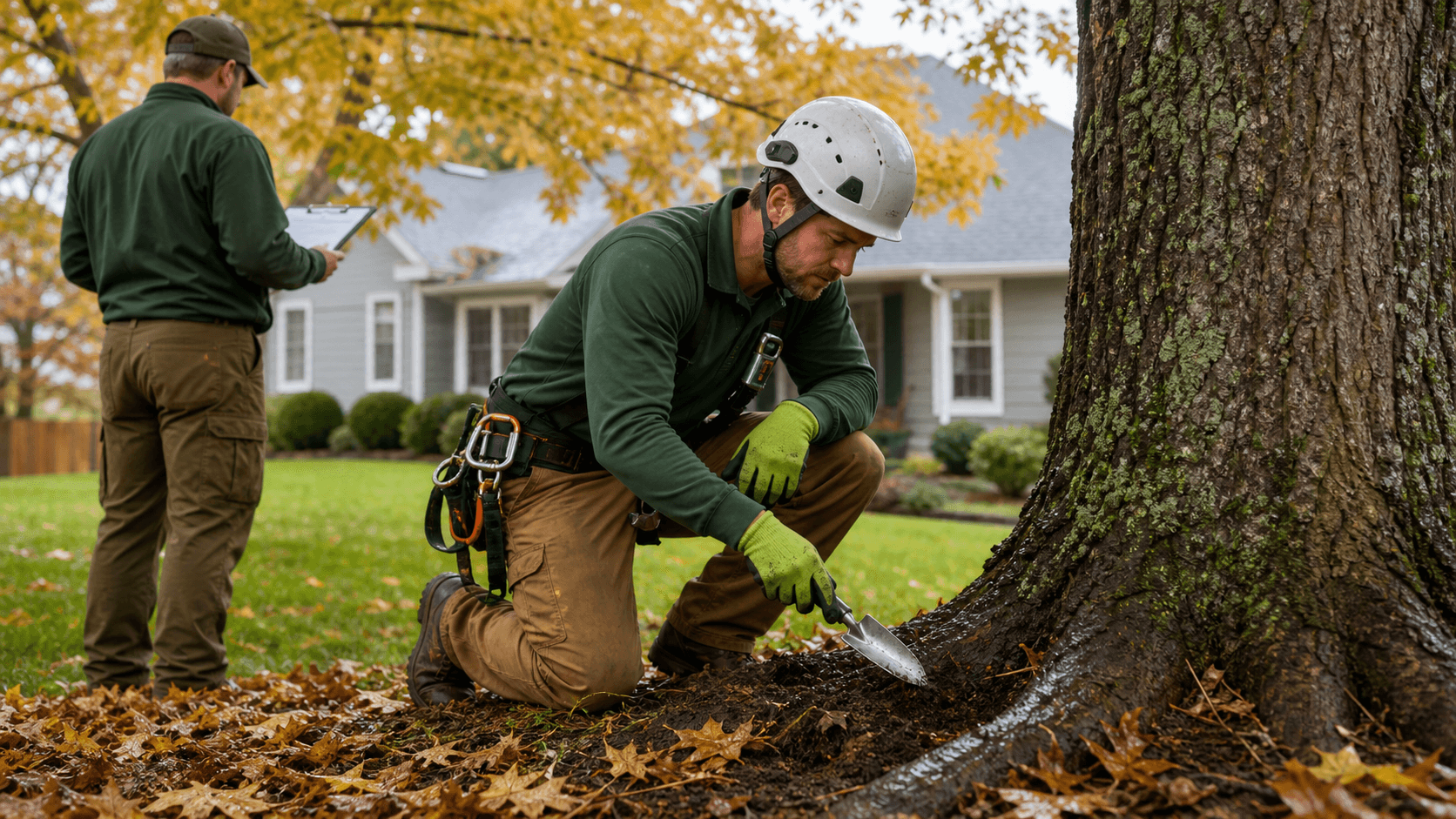
Fall brings more than crisp air and changing leaves to Joplin. It brings long rains and heavy ground saturation that can affect trees from the roots up. While most people focus on falling limbs or thinning crowns, tree roots often go unnoticed during this season. That's where problems can quietly begin.
With so much water soaking into the soil, the root systems below the surface can start to shift or weaken. When we talk about healthy trees and safe yards, roots matter more than most people realize. For anyone using a tree care service in Joplin, spotting early warning signs is the smartest way to avoid bigger, harder-to-fix problems later.
Tree Roots and Too Much Moisture
When the ground holds too much water, roots can't always do their job the way they should. They need oxygen, even down in the dirt. But during the fall, waves of rainfall can saturate the ground and push air right out of the root zone.
- Saturated soil makes it harder for roots to stay anchored, especially around larger trees.
- Standing water can point to compacted or poorly draining soil, which chokes off healthy airflow.
- Repeated rains pack the topsoil, limiting how much oxygen can reach the root system.
If trees are sitting in soft, heavy ground for weeks at a time, their foundation becomes weaker without anyone noticing. That's where silent damage can begin, even in yards that look fine at first glance.
During rainy fall weather, when every storm brings downpours one after another, the water table can rise and stay higher for days. Roots that are constantly in waterlogged soil start to struggle for oxygen, which is something most people don't think about. Trees look solid above ground, but if their roots can't breathe, they begin a slow but steady decline. This can turn small root stress into ongoing damage that lingers even after things dry out on the surface. By paying attention to the soil's condition and how it changes after heavy rain or storm, you can spot the first red flags before roots are in real trouble.
Signs That Tree Roots May Be in Trouble
Not all root issues are easy to see, but a few clues aboveground can tell us what's going on below. After a stretch of wet days, some of these signs start to show up in older and younger trees alike.
- Mushrooms or unusual fungi growing at the base of a tree can point to rot deep below the surface.
- If the soil near the trunk starts cracking or the whole tree leans a little more after each storm, the roots may be losing their grip.
- Roots that become exposed or soften and darken after erosion could be beginning to break down.
By staying alert to these changes, we can stop bigger problems from creeping up after a particularly wet fall.
Small changes in the lower trunk area, such as new bulges or soft spots in the bark, can also be a warning that roots are under pressure. Sometimes, you may notice pooled water doesn't seem to drain away from one area, leaving persistent muddy patches long after rain. Those spots can signal that water isn't moving through the soil as it should, which is a problem for the roots trying to breathe underneath. Some trees will even drop leaves earlier than expected, or parts of the tree might wilt or become brittle, all because the roots are fighting too much moisture and not enough air.
How Root Stress Affects the Rest of the Tree
It's easy to miss the connection between drooping limbs and stressed-out roots. But trees signal their health above ground when their roots are suffering below. When water keeps crowding the root zone, it slows nutrient flow and makes it harder for the tree to support its structure.
- Sudden limb drop without wind or storm damage can be a symptom of root rot or lack of grip underground.
- Early leaf discoloration or patchy bark could mean the roots aren't sending enough support upward.
- New trees or transplants tend to show signs fastest, since their roots haven't had time to reach deeper, firmer soil.
Every part of the tree works together. When the roots start to struggle, weak spots in leaves, branches, or bark aren't far behind.
Branches that are usually upright may start drooping slightly, and overall, the tree could take on a tired appearance. This stress often travels from below the ground up, with weakened roots leading to soft spots in the trunk or main limbs. If there are already hidden injuries in the tree (from past storms, mowing, or other yardwork), a season of extra wetness might cause those problems to get worse. Pay attention if patches of bark slough off, or if more than one branch on different sides of the tree starts to wilt, as these patterns often have the roots at their source.
Property Risks from Root Damage in Wet Seasons
Failing roots don't just affect the tree. They can cause problems for surrounding structures too. A tree that shifts in saturated soil carries that movement into sidewalks, patios, and even foundations.
- Roots that swell or shift under pressure can lift and crack paved areas in driveways or walkways.
- Extended soft ground can allow unforeseen shifts underground, especially near fences or garden borders.
- Total tree failure becomes more likely when rain-heavy roots can't anchor the weight of the tree against wind or ice.
These aren't just surface concerns. They're risks that can grow over time and show up suddenly after one more heavy rain.
As roots lose their hold, you may notice small gaps forming where concrete meets the grass, revealing that the ground is moving a little each time it rains. Sometimes, these shifts will leave fences looking a bit crooked, or a few bricks may come loose around patios. The tree itself can begin leaning toward one side, and if conditions stay wet for a long period, there's a risk the whole tree could be pushed over or uprooted by a storm. It's not uncommon for homeowners to miss these subtle problems until more obvious issues arise, like tiles popping up or new cracks showing in patios after passing storms.
When It's Time to Call for Help
Not every tree with soggy soil is in danger. But there are times when checking in on root health is the safest move. Especially during a wet fall like the ones we've seen in Joplin recently, staying alert can make a big difference.
- Trees that begin to lean or shift unexpectedly should be assessed quickly.
- Soft, decaying roots or visible fungi near the trunk are signs things may be breaking down underneath.
- A full tree care service in Joplin should include a look at root conditions, not just trimming above the ground.
When roots are damaged but still holding, early action might save the tree. Waiting too long brings more risk as repeated storms overwhelm what's left of the root system.
Some signs may seem small but can point to bigger hidden problems. If you walk around your yard and find spots where your foot sinks into squishy or spongy soil, or if you see sudden dips or raised bumps where the ground was flat before, those are clues the roots aren't supporting the earth like they did before. If you see lots of mushrooms or large fungal blooms around one tree consistently, it's a good plan to get a closer look. Even if you're unsure, bringing in someone to check things over during a particularly rainy fall can give real peace of mind.
Keeping Trees Steady Through the Season Ahead
Fall can sneak up quietly, but its impact runs deep. Wet yards, soggy soil, and roots struggling in silence all add up over time. Paying attention to signs near the base of the tree, not just the top, gives us a better shot at stopping damage before it spreads.
Healthy roots help trees stand strong when storms roll in. By keeping a close watch during the wet season in Joplin, we help trees stay upright, yards stay safer, and the risks stay low even as weather turns cold. Tree strength starts below the surface, where it's easy to forget to look.
Remember, as the season changes, trees work hard to adjust below the ground. Water from heavy fall storms can shift or weaken roots quietly, but these issues are just as serious as what you see above. Regular visual checks and understanding what symptoms link back to root stress can make the difference between a healthy tree and one that becomes a hazard. The ground might look the same as always, but the story of tree health starts under your feet, especially during the wettest months.
After weeks of rain, lingering soft ground can signal hidden root problems that threaten your trees' stability. Every full tree care service in Joplin should include a thorough assessment of what's happening underground. At Swartz Tree Service, we help you catch issues early and keep your trees healthy all season, contact us today to schedule your appointment.