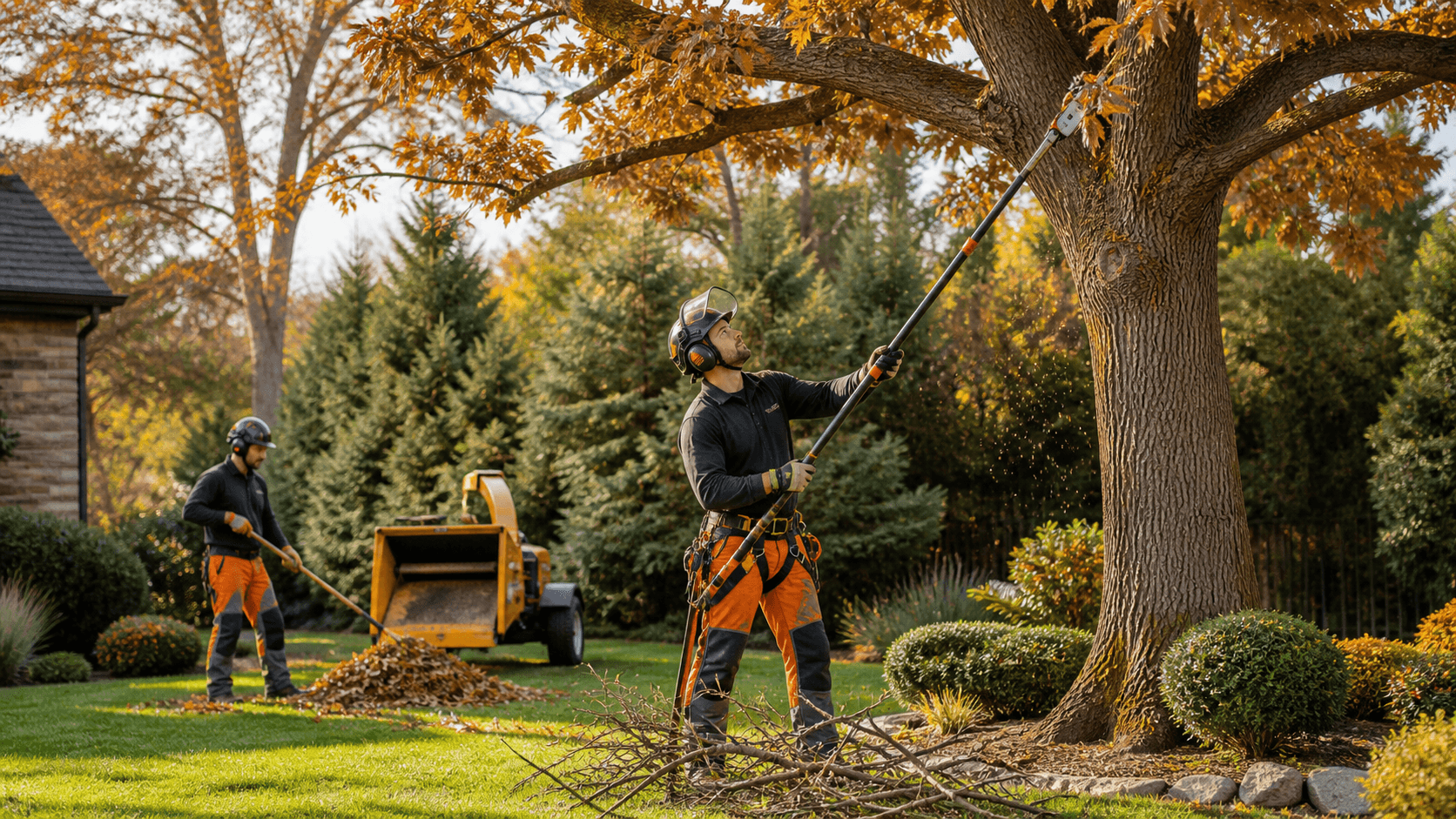
October in Joplin tends to bring cooler air and a lot more wind than most people expect. That shift in pressure and temperature can do more than blow leaves around. Trees that made it through the summer just fine may not hold up once the gusts start rolling through. It's an ideal time to take a closer look at any tree that's getting a little too familiar with your roofline or driveway.
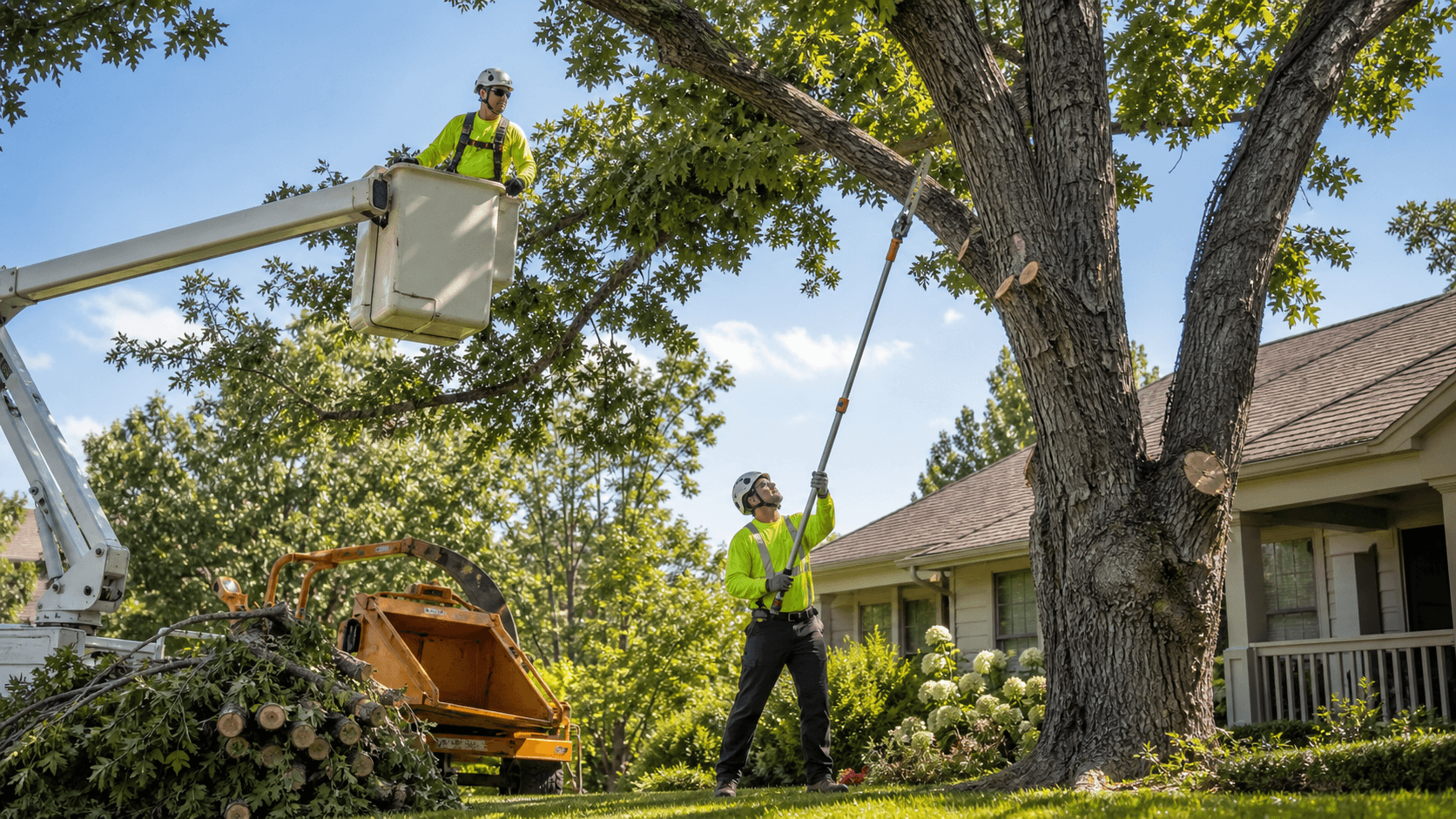
We've worked long enough in the region to know what fall winds can do, and we've learned that a little prep before November makes a big difference. Timing your tree trimming in Joplin, MO during the early part of fall lets you clear risky limbs while the weather is still steady. You get ahead of the late-season wind and ease the pressure off struggling branches before winter really hits. More than anything, it's about keeping your yard, your home, and your neighbors protected before the season changes again.
Why Fall Winds Create Problems for Untended Trees
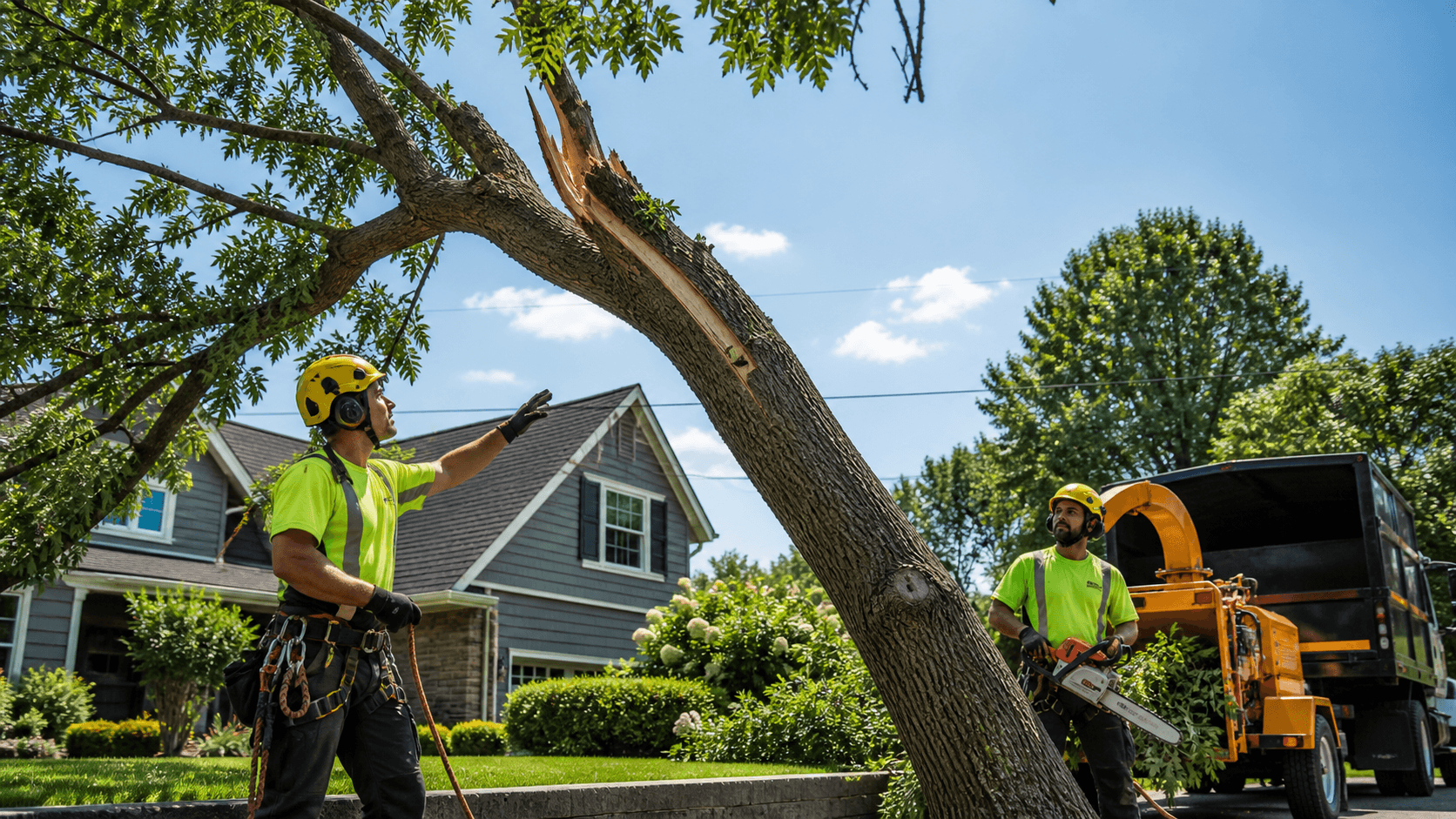
Trees don't respond to fall wind the same way they respond to spring storms. By late October, many have dried out enough that limbs won't bend, they snap. Even branches that seemed stable during the summer can become hazards once they've lost moisture and weight balance shifts.
Here's what starts to go wrong when wind hits an untrimmed tree:
- Dead limbs are the first to break, often with very little warning. They can fall straight down or travel a surprising distance.
- Top-heavy trees catch more wind and sway harder. That increases the chance of twisting or splitting at weaker points in the structure.
- Rotted or hollow sections, hidden a few feet off the ground, may fail when bounced by wind stress, taking nearby branches with them.
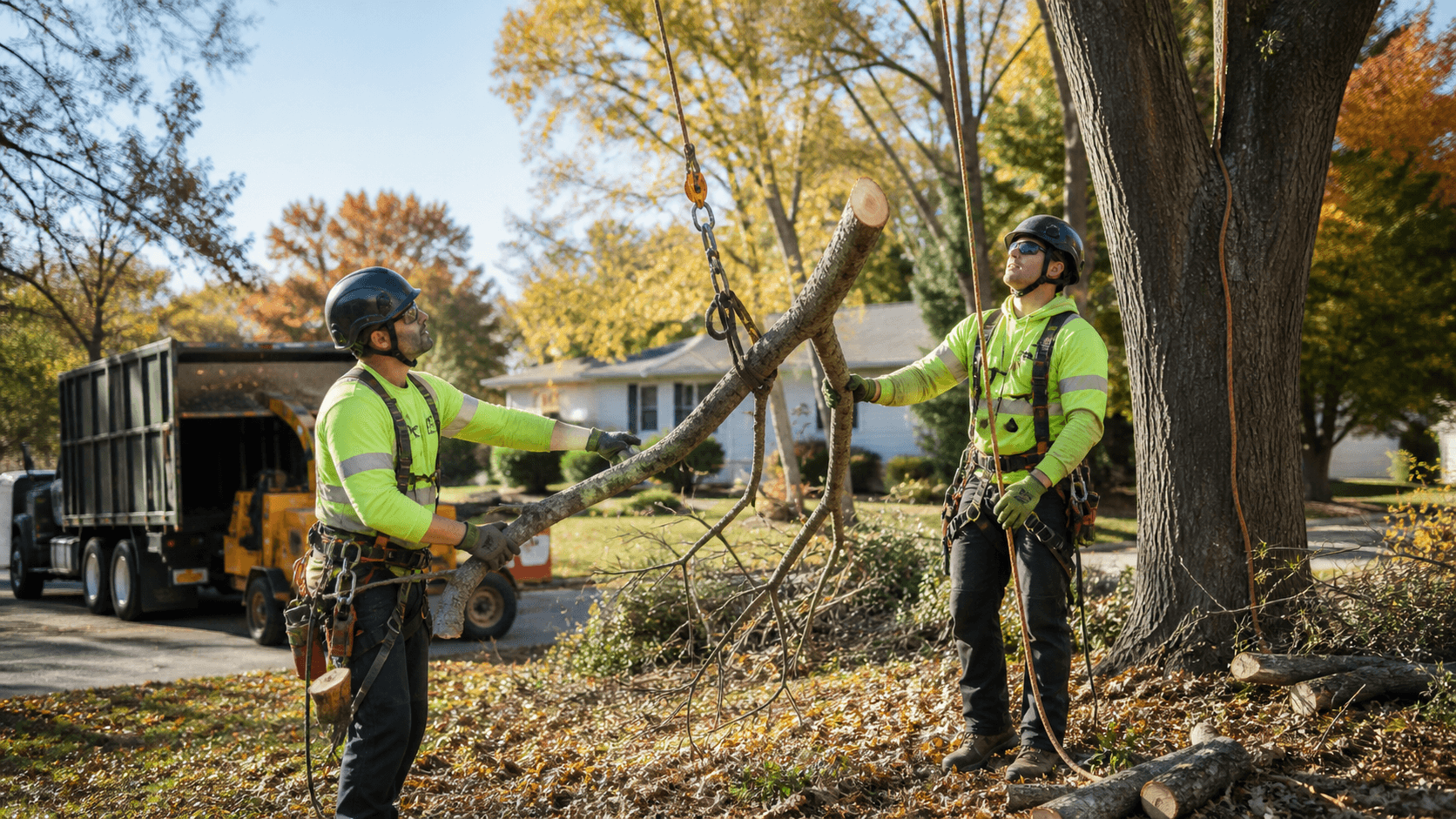
Swartz Tree Service follows ANSI A300 standards for all seasonal trimming, uses industry-approved equipment, and clears debris after each job for safer fall-ready yards. The risks extend beyond the tree. When a split limb lands on a fence, clips a power line, or blocks a driveway, it becomes a much bigger problem. We've seen situations where one unnoticed branch caused damage that could have been avoided with just a quick pre-wind season trim.
Signs a Tree Needs Trimming Before November
Most trees don't cause trouble without giving a few warnings first. By early to mid-fall, you can usually spot the signs that a trim is overdue. You just have to look with the season in mind.
Common signals include:
- Limbs that hang lower than they used to or hover close to rooftops, driveways, or sheds
- Trunks with a noticeable lean, especially if roots around the base seem raised or cracked
- Branches rubbing against gutters, wires, or windows
Some seasonal clues are just as important. For example, early leaf drop on one section of a tree might mean that branch is already dying. Split or cracked ends, especially on larger limbs, may point to old wind damage that went unnoticed. Trees that grew fast during wet summer stretches might have overextended themselves. That extra weight becomes a problem when fall winds rush in.
Dense canopies are beautiful, but they also act like sails. The more leaves and twigs a tree holds, the better it catches wind, pulling even strong trees off balance. Thinning it out now keeps that force from building up later.
What Makes Fall the Right Time for Trimming in Joplin
Fall is one of our favorite times to trim trees, and for good reason. The timing works in your favor in more ways than one.
- Once leaves start to drop, we can see more of the limb and trunk structure. That helps spot weak spots we wouldn't catch in full growth.
- Dry ground is more stable for work, equipment moves safer and cleanup is easier while the soil stays firm.
- Giving a tree time to heal now helps reduce stress when winter arrives. Trimmed branches callus faster in mild weather than in a freeze.
In Joplin, fall tends to run dry early, then shift to colder and windier by late October. That gap is the window we aim for. It's when conditions line up to make trimming cleaner, safer, and more predictable.
Trimming earlier in the fall also makes it easier to spot hidden hazards. After leaves fall, damaged limbs become more obvious. Completing work before the first frost gives trees a healthier start heading into winter.
Safety and Long-Term Benefits of Seasonal Pruning
What feels like a small trim this fall can prevent a bigger emergency during the winter. Ice storms, high winds, or even the simple weight of frozen limbs can do serious damage when a tree is already under pressure.
Getting ahead now:
- Reduces the chance of costly breakage during colder months when repairs are harder
- Shapes the tree in a way that promotes stronger spring growth and better direction change in new branches
- Helps older limbs build strength and keeps the whole tree balanced for next year
There's a clean-up angle too. Trimming helps reduce how much debris ends up on your lawn, porch, and gutters as the season goes on. Fewer broken sticks and fewer blocked drains mean less work for you later. And trees just look better when they're shaped right. That matters when you see them every time you back out of the driveway or walk up to the front door.
When you schedule pruning ahead of the first winter event, you also protect areas around your home from falling sticks or larger branches. This simple step can save you from untimely problems when the weather suddenly changes.
A Stronger Start to Winter Begins with the Right Cut
Taking care of your trees now gives your yard a real edge before winter settles in. Limbs that are trimmed and balanced don't just survive gusts and storms, they ride through them with less strain. That keeps your sidewalks clearer, your roof safer, and your power lines untouched when things pick up.
Fall isn't just a quieter time to work on your trees. For us, it's the right moment to read what your trees are showing and help steer them through the season ahead. Knowing how October weather behaves here in Joplin, Missouri, helps us decide what to trim and when to leave something alone. A good fall cut gives the tree a natural reset before the cold, giving you peace of mind no matter what the wind throws your way.
Schedule your tree trimming in Joplin, MO with Swartz Tree Service today to keep your yard safe and looking its best all season long. Our team understands the unique challenges local trees face, and fall is the ideal time to evaluate their structure and stability before windy weather arrives. Let us help you prevent costly issues down the road with expert trimming and care.