Fall can be a great time to get ahead on tree work, especially when the weather has cooled and many trees are done growing for the season. But when the weather is dry, cutting trees takes more care than some might expect. Dry fall conditions can change the way a tree behaves when it's being trimmed or removed. Branches break in different ways, trunks may be more brittle, and dry ground can shift more than usual under equipment or foot traffic.
In places like Joplin, where summers often end in a stretch of dry weather, it's helpful to know what to look for and what to avoid. A tree cutting service in Joplin understands how to time this work safely, especially when dryness and seasonal wind make things more unpredictable.
How Dry Fall Weather Affects Tree Structure
When we go out to check trees in a dry fall, the first thing we notice isn't always the leaves. It's what's happening to the tree beneath the surface and just under the bark. Dry conditions affect every part of a tree differently, and some of those changes aren't obvious until a cut is made.
- Leaves tend to dry out faster in low humidity, which puts more weight stress on the limbs that hold them
- Bark may crack due to shrinking moisture inside the tree, which adds weak spots that weren't there earlier
- Roots close to the surface become dry and brittle, putting some trees at higher risk of shifting or tipping
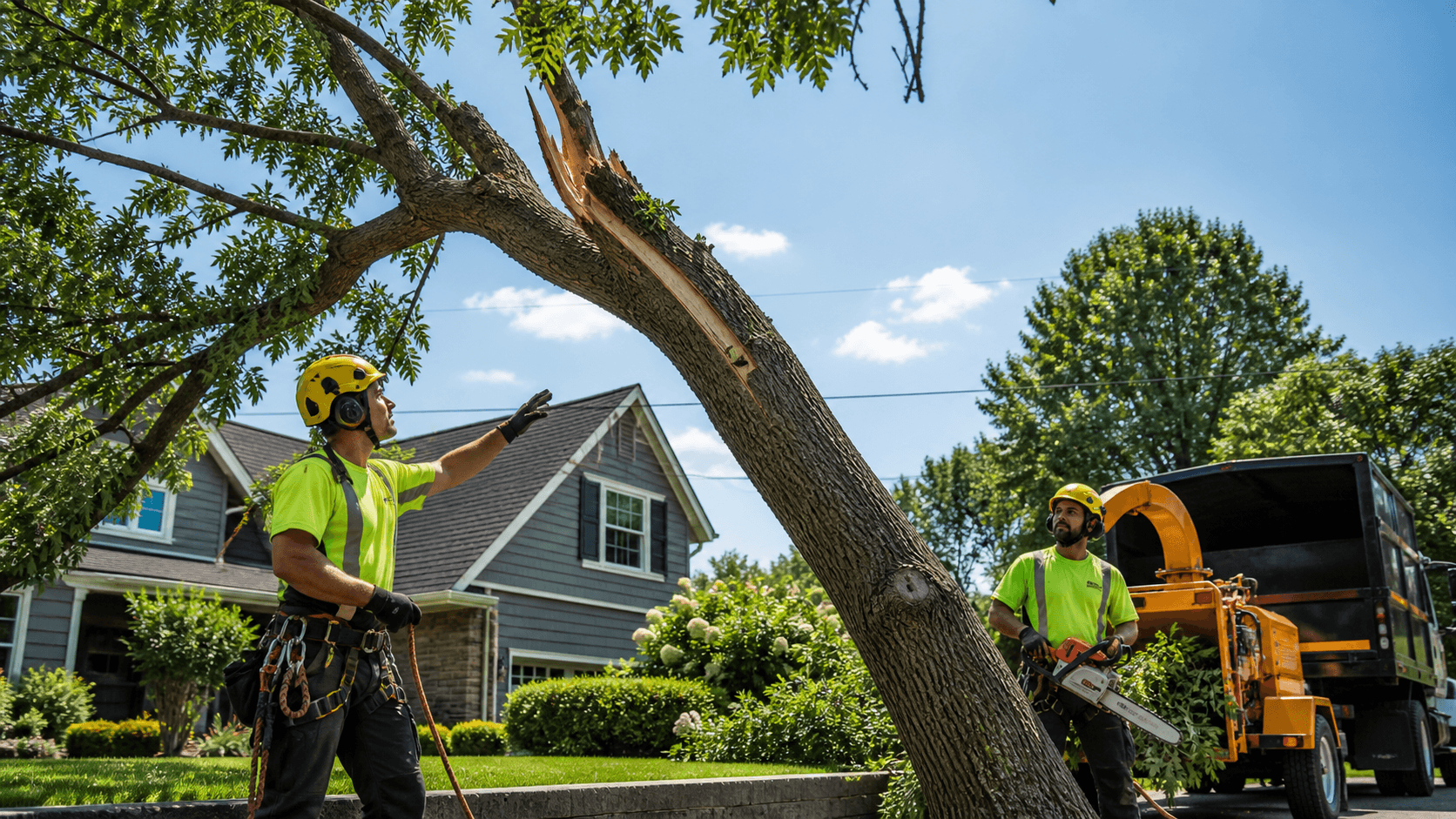
Dry wood doesn't always break cleanly. Cuts that would normally be straightforward might splinter, twist, or drop debris in ways that can damage nearby plants or property. This is why we take extra precautions before trimming or cutting when the weather's been dry for several weeks.
Working on dry trees often means adjusting both tools and timing. Chain sharpness, cut location, and angle all matter more, since brittle limbs can split in unwanted directions. Having the experience to judge where a branch might fall, or how a trunk will react under pressure, is key to finishing the job with less mess. This level of caution helps protect not just the workers, but also the property and anything growing nearby.
Knowing When It's Time to Cut Before Winter
By early September, most tree growth has slowed down or stopped. That makes fall a good time to trim back or remove problem trees. But once strong wind returns in late autumn, waiting too long can lead to broken limbs or worse. We try to act early enough that cutting helps protect what's nearby.
- Dead limbs are more likely to snap under fall wind loads
- Trees with major lean near homes or garages should be evaluated before cold weather makes them harder to remove
- Cracks at the base or near lower branches are signs a tree might not make it through ice, snow, or freeze cycles
Swartz Tree Service offers free site assessments in the Joplin area to identify dry-weather hazards and help homeowners prioritize which trees should be cut before conditions change. Some trees give warning signs just by the way they stand, maybe a slight shift in direction, or a branch that sags more each week. If there's any doubt about stability, it's safer to assess and cut when the weather is clear instead of waiting for winter to do the work for us.
Tree removal in dry fall weather also helps prevent bigger problems during winter storms. Fallen trees or large branches can block driveways, damage power lines, or even harm people and pets. Removing risky limbs and trees before they have a chance to fail reduces the chance of urgent, stressful situations later in the season.
Safety Precautions for Fall Tree Work
Working on trees in a dry fall isn't just about the trees themselves. The entire environment plays a role, from what's on the ground to local fire rules that may be in place. We often take additional steps when conditions are dry and the risks of sparks or falling limbs are higher than usual.
- Dry brush, leaves, or pine needles on the ground can be a fire hazard when using chainsaws or other gear
- Fallen branches may bounce or roll farther than expected when the soil is dry and hard
- Dry limbs can fracture in midair if the tension in the branch isn't released the right way
Swartz Tree Service uses non-sparking tools, ground pads, and team briefings to minimize fire and safety risks during all fall removal projects in Joplin and the Four-State region. When calls come in about trees that are near rooftops or tangled in telephone wires, we approach those with even more caution. Dry trees behave differently, and heights or narrow spaces increase the chance of injury or unexpected damage. For cuts that are high up or involve brittle limbs, having the right approach makes all the difference.
Setting up a safe worksite in dry fall weather can also mean removing more ground debris before starting, making sure all gear is in top condition, and keeping an eye out for fast weather changes. Gusty wind can arrive quickly and change the direction of a falling branch, so good planning and teamwork are necessary for every job.
Why Local Expertise Matters in Joplin
Every part of the country handles fall in its own way, and in Joplin, the dryness in early fall often means working with clay-heavy soil that cracks or shifts more than usual. When we plan tree work, we think about how that soil will respond under trucks or foot pressure, especially near roots that might already be weakened.
- Soil dryness can make roots lose grip and stress the lower trunk of older trees
- Wind gusts in this region tend to arrive suddenly, especially in September and October
- Local trees like oak or hackberry may hide hollow areas that only give way when the tree is cut
Fall tree cutting isn't one-size-fits-all in our region. What works in wetter places may not apply when the first half of fall brings almost no rain. Knowing what to expect from local weather and soil helps us plan better, cut safer, and avoid extra strain on trees that could otherwise be saved.
Neighborhoods in Joplin have their own unique challenges too. Some yards have a history of drought stress or may sit lower in the landscape where drainage changes after dry spells. Understanding these little differences allows a local crew to make better choices when removing or trimming trees, leading to healthier property and fewer surprises over the winter months.
A Better Yard Starts with Smart Fall Timing
Cutting during a dry fall gives trees and yards a head start before colder weather sets in. It gives us a chance to clear what needs to go without fighting winter wind or working on wet ground. Timing matters because trees already under stress don't bounce back quickly once freezing begins.
By understanding how dryness affects stability, growth, and decay, we can get ahead of breakage and limit damage through the winter. Tree cutting in the fall might feel like a chore, but it's one of those seasonal tasks that pays off the next time a storm rolls through. When done early and with care, it keeps your yard cleaner, your structures safer, and your trees stronger for what comes next.
When your trees start showing stress after a dry summer, waiting for winter can make problems worse. In Joplin, we've seen how brittle limbs and shifting soil quickly turn small issues into costly ones if ignored. Taking action now with the right plan makes fall cleanups safer and easier. Considering a tree cutting service in Joplin? Swartz Tree Service is ready to walk your yard and help you address any risks before winter arrives.