Fall doesn't always bring relief here in Joplin. Some years, September rolls in dry and warm, and by the end of the month even the trees start to show it. When the soil stays dry and the air holds little moisture, trees have to work harder to stay healthy. That's when timing matters most.
We've worked with trees through every kind of fall in this region, and dry seasons are the ones that catch the most people off guard. That's why staying on top of tree maintenance in Joplin during late September and early October matters. When trees aren't getting what they need from the ground or the air, their risks increase going into winter. Limb breakage, poor root support, and bare spots in spring aren't just surprises, they're signs that dry weather was ignored. With the right care now, we can help trees make it through the season without lasting damage.
How Dry Fall Conditions Stress Trees
Dry weather doesn't just mean hard ground. It also affects how a tree takes in nutrients and how well it recovers from stress. We've seen how signs of struggle can sneak in slowly during a dry fall, then suddenly show up all at once during the first windy night.
- When soil holds less moisture, roots have a harder time pulling in what they need. If that goes on for too long, roots shrink back and lose grip in the ground. That can lead to leaning trunks or loose footing when the weather turns stormy.
- Dry air wears on trees from the outside in. Leaves wilt early or fall too soon. Bark can split more easily, and smaller branches often freeze or snap once temperatures drop.
- These changes may seem small at first. But together, they signal that drought stress is building up. Look closely and you'll notice uneven growth, weaker color, and bare patches forming earlier than normal.
Trees can tolerate some dry weather. But when dry spells stretch through fall, they start to run out of reserves to handle what's coming.
What to Watch For Before Temperatures Drop
Late September is when tree issues from a dry summer or early fall begin to surface. Some of the signs are easy to miss unless you know what to look for. Staying ahead of the season can help you avoid surprises after the first hard frost or cold wind snap.
- One clear signal is early leaf loss. If a tree starts shedding leaves before others in the yard, it may be trying to save energy because of drought pressure.
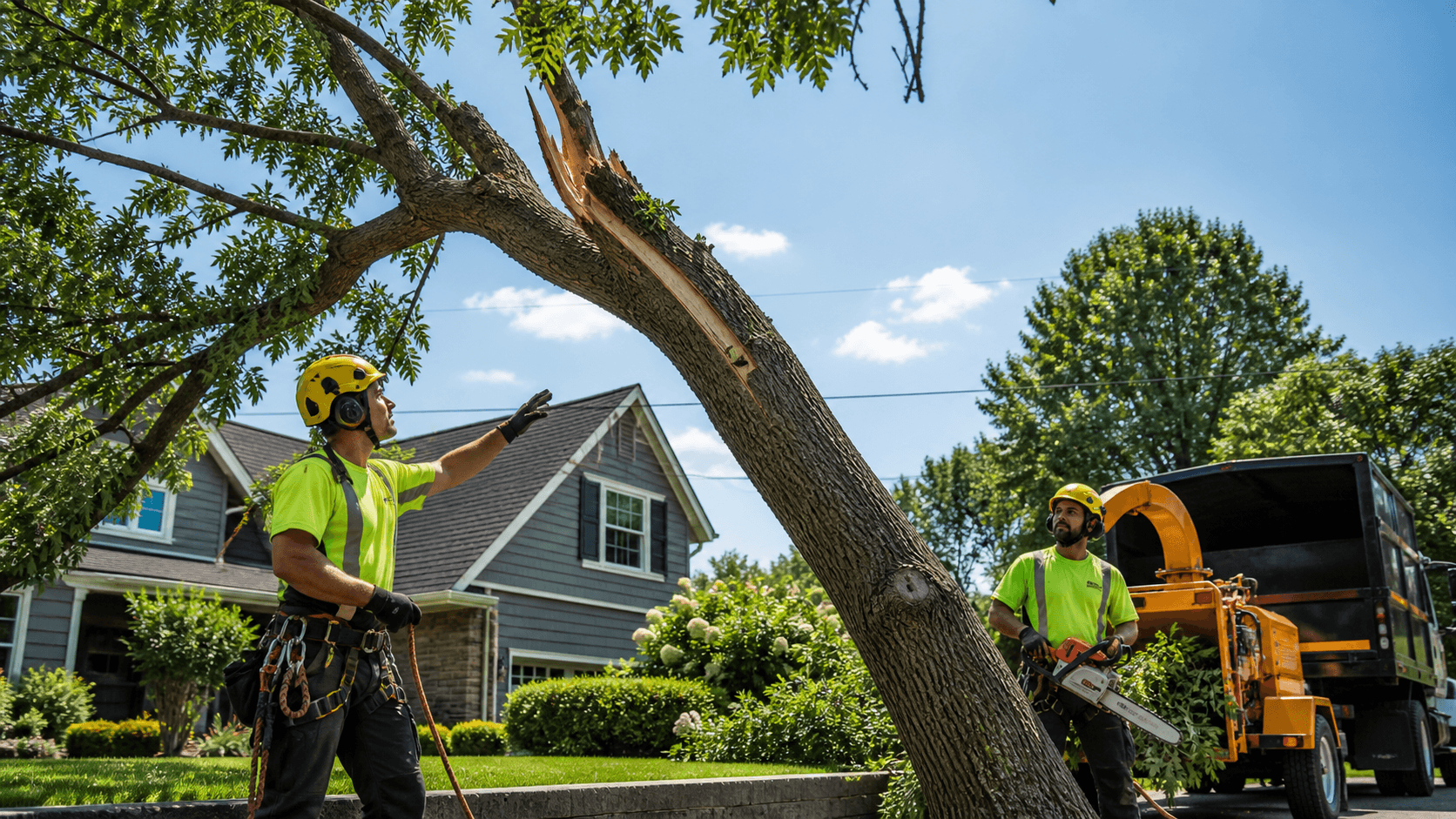
- Cracked bark or peeling sections on trunks can also point to stress. In some trees, the bark retracts in dry weather, creating thin, brittle spots that are more likely to split.
- Brittle limbs or weak branch ends show up where growth didn't finish off well. If small twigs snap off easily or look shriveled, those limbs might not survive winter weather.
- Look for changes in the canopy shape from below. A thinning middle or heavy lean to one side could mean the tree is no longer balancing its weight well. That's something to act on before strong winds test its structure.
Dry conditions amplify these issues because trees don't have enough support from below. Once the weather shifts toward colder air, weaknesses get worse quickly.
Adjusting Tree Care to Match Dry Weather
When fall stays dry, tree care should shift with it. The last thing anyone wants is to trim a tree the wrong way when it's already under pressure. Every cut made should be with recovery in mind, especially when moisture levels are low and sun exposure is still strong.
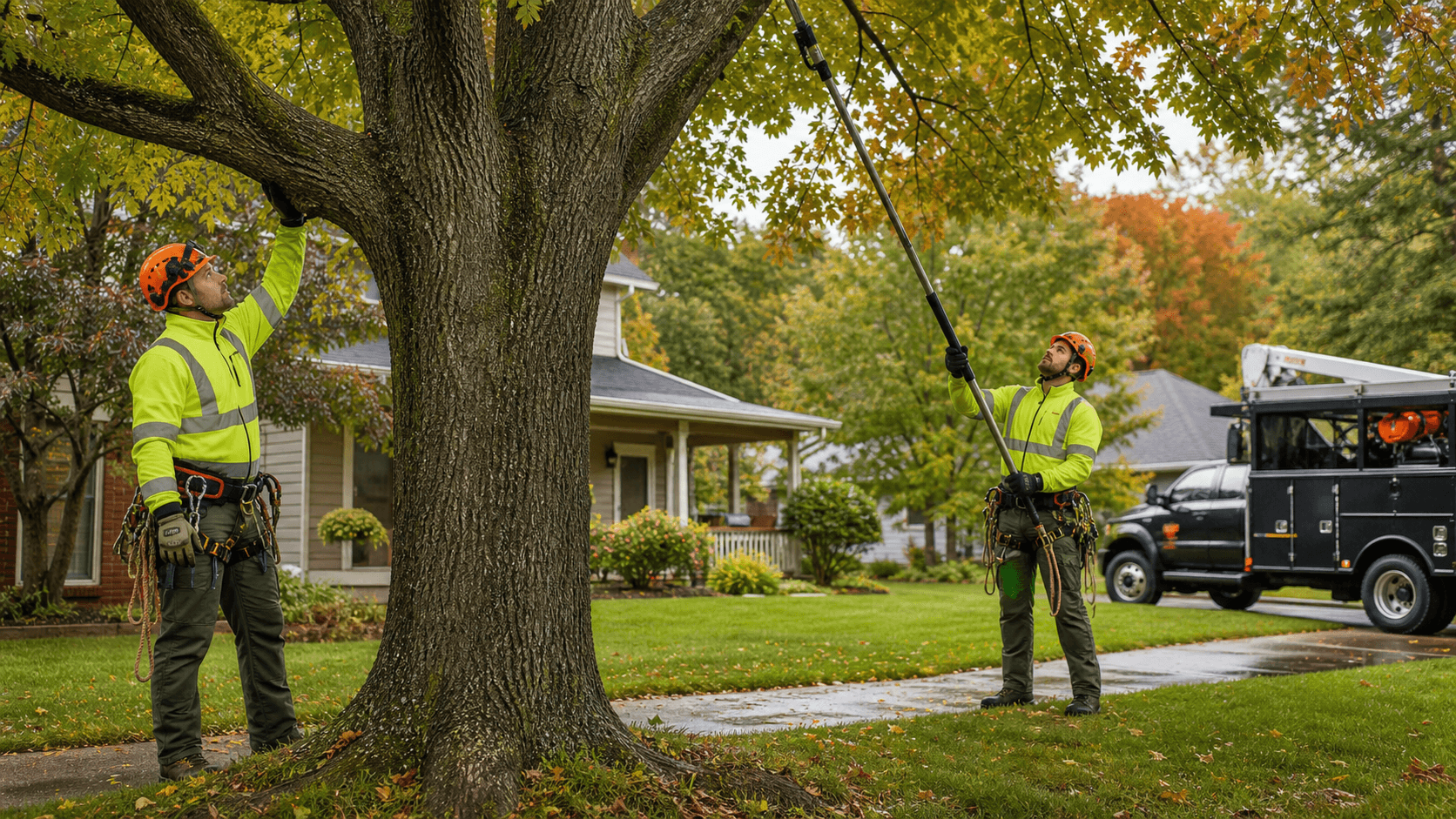
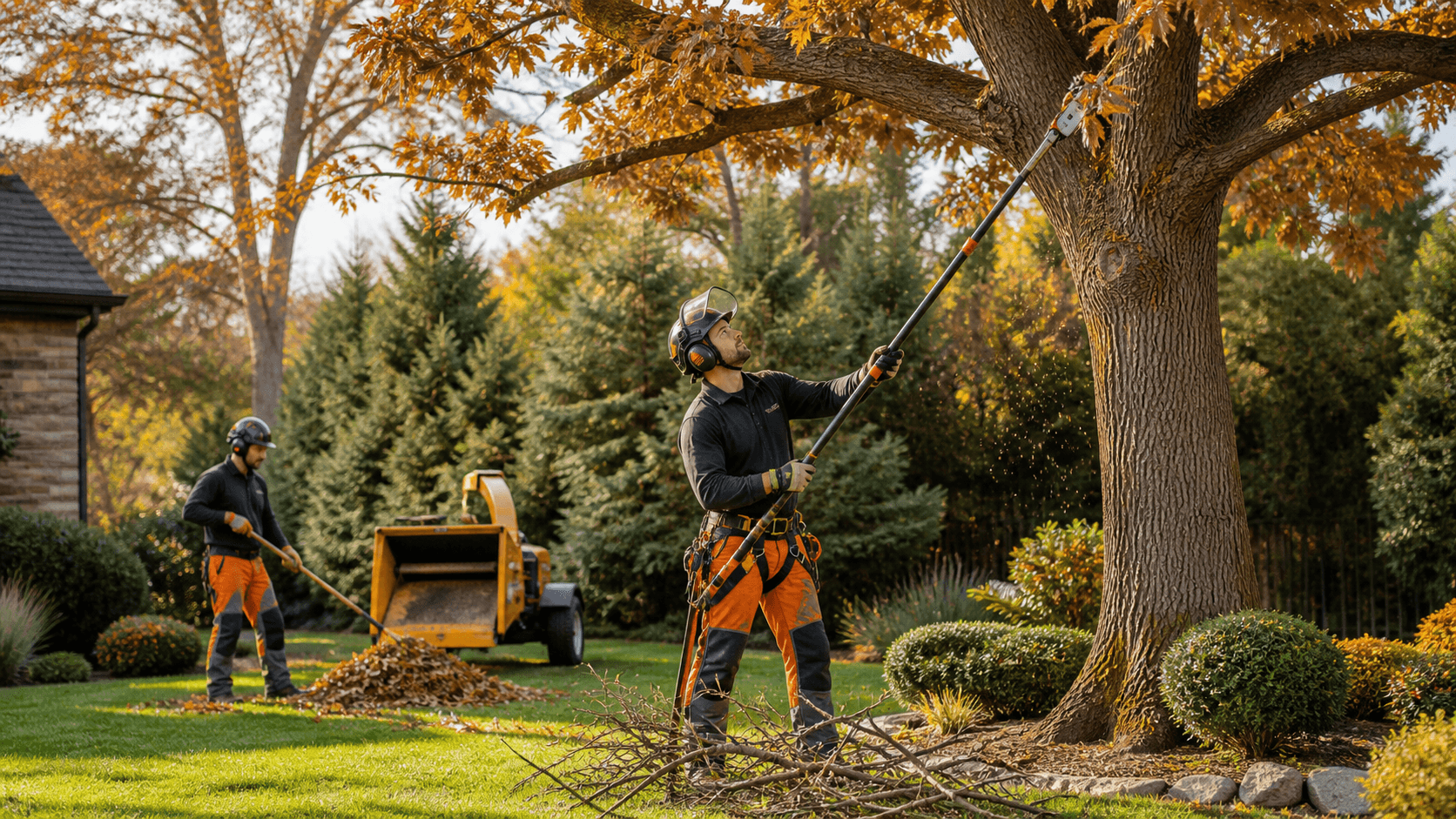
- Dry trees can react more sharply to trimming, so cuts need to be clean and limited to weaker areas. Gentle pruning gives the tree time to form seals before freezing weather sets in.
- If removal becomes necessary, dryer soil can be a benefit. Equipment creates less mud, and root systems are easier to check when soil isn't soggy.
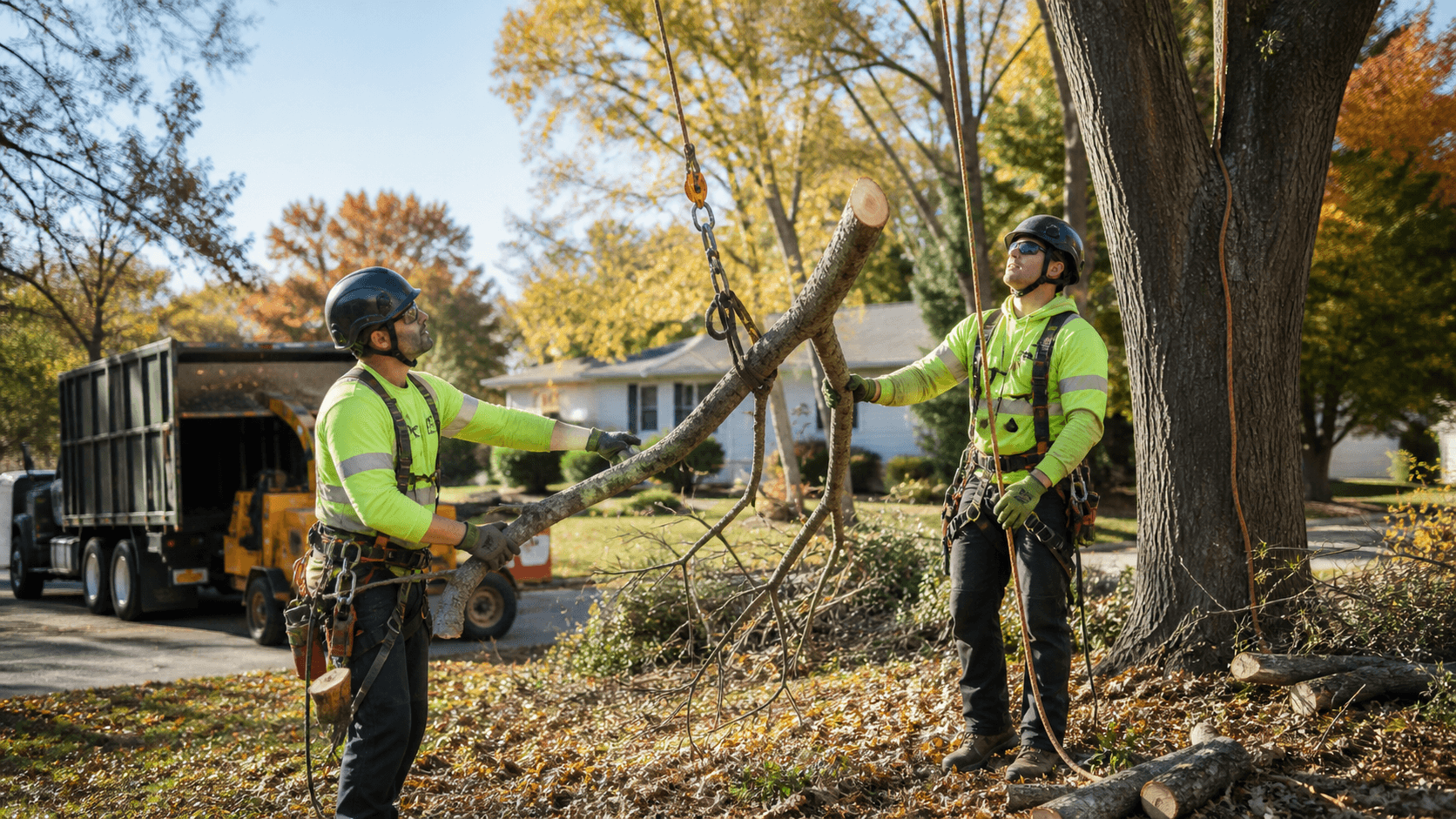
- The ground condition changes how we move across your yard. Hard, dry ground is easier to protect, and it gives us a safer base to work on when trimming or hauling branches.
Timing is everything. The goal is to act before fall winds return and winter freeze locks trees into survival mode. Small updates now go a long way in making sure trees bounce back properly once spring returns.
Local Timing for Smarter Maintenance in Joplin
September and early October are the best windows for checking the health of your trees in this part of Missouri. This is when temperatures cool just enough to slow down growth, but not so much that you miss your timing with trimming or removal.
- Tree maintenance in Joplin isn't the same as it is a few states away. Our region gets wide swings in fall weather, from long dry spells to sudden cold snaps. Using local patterns to plan maintenance is what keeps problems small.
- Certain trees, like maples, red oaks, and hackberries, are common in Joplin and tend to be more affected by droughts. Their leaves may drop too early, or their canopies may become unbalanced without you noticing.
- Acting during this early fall period lets you spot risks while tree structure is still easy to examine. Once leaves fall or the ground freezes, it's much harder to tell what's going on with the limbs above.
Matching care to Joplin's weather and common tree types means we avoid taking chances. We want trees to go into winter strong, not struggling.
Strong Trees Through Smart Seasonal Care
Fall doesn't have to be a time when your trees decline. It can be when they recover, if you give them the help they need early enough. When fall stays dry, smart tree care means knowing the signs of stress and acting before winter hits.
We've seen how taking the time to trim the right limbs or adjust yard access around dry soil makes a big difference. It helps trees hold their shape, survive the weather ahead, and grow back better next spring. Recognizing signs of damage now means fewer emergencies later.
When Joplin gets a dry fall, care needs to shift. And when we match what we do to what the season actually brings, trees hold up better with less strain. That's something worth planning for.
Fall care goes beyond clearing leaves, dry spells can stress your trees before winter arrives. We help property owners identify issues early and adjust care as the weather changes, making sure your yard stays healthy. When trees start to look brittle or unhealthy, it's time to check in. Our team provides seasonal expertise based on real-time conditions, so your trees get the care they need, right when they need it. For reliable help with tree maintenance in Joplin, reach out to Swartz Tree Service today.