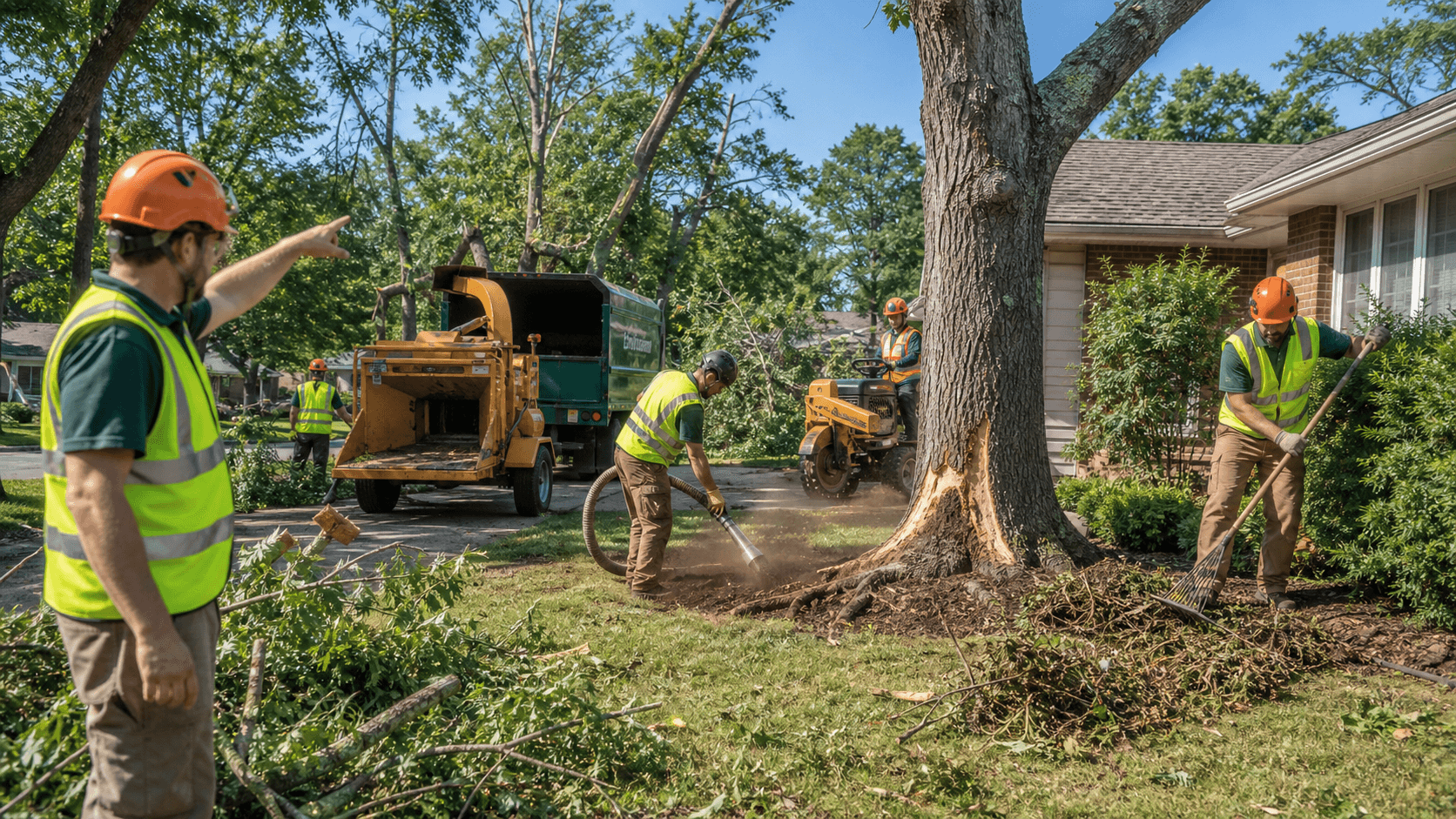
Heavy summer storms in Joplin can do more than knock down tree branches or scatter debris across a yard. When enough rain falls or high winds roll in, the impact can reach all the way to a home's foundation. It often starts small. Soaked ground, a fallen tree, or clogged gutters might not seem like a big deal at first. But if that water doesn't have somewhere to go, it tends to find its way under or around the base of structures.
That's where fast storm damage cleanup in Joplin becomes important. Clearing debris, cutting broken limbs, and keeping tree roots managed helps lower the risk of foundation problems. It's not just about cleaning up what's on the surface. It's about making sure what's underneath stays steady.
How Storm Debris Can Hurt a Foundation
What ends up on the ground after a storm doesn't always stay where it lands. The way branches, leaves, or even whole trees settle after a storm can have bigger effects than expected.
- Branches and wet leaves that gather around drains or gutters block water flow, which can send rain back toward the walls instead of away from them.
- Large limbs or trunks pressing into the soil can slowly shift it, especially when the ground's already soaked and loose from rain.
- Leftover organic material traps moisture, changing the balance of the soil and making it softer or more uneven near the foundation.
Storm waste isn't just an eyesore. It changes how water behaves around a home's base, and over time, that constant pressure can lead to small foundation cracks or sinking.
To better safeguard against these risks, homeowners should consider promptly removing debris, especially around gutters and drainage paths. Even a small pile of wet leaves can mark the beginning of drainage problems if left unattended after a storm. When branches, sticks, and twigs cover the yard, they often slow drying, keeping the ground saturated for longer than necessary.
Tree Root Damage Made Worse by Storms
Strong winds or heavy rains don't just affect what's above ground. Trees and their root systems also respond to extreme weather, and sometimes that causes long-term trouble.
- Trees that already have shallow or damaged roots can lift whole sections of soil when they fall over in strong winds.
- Roots looking for water may slip into small cracks in concrete or press up against the foundation walls.
- Standing water from clogged ditches or poor drainage will sometimes cause roots to shift or grow deeper in ways that push or unsettle the surrounding ground.
Swartz Tree Service handles storm debris removal and tree root management as part of our cleanup services throughout Joplin and the Four-State region. We've seen how a storm can bring down a tree but leave behind even more damage underground. Roots follow the moisture, and when that moisture ends up near a structure, the roots often do too.
Tree roots, especially when already weakened by prior drought or ongoing soil changes, may become even more unpredictable under sudden saturation from heavy storms. As wet years progress, it becomes clear how entwined roots and foundations truly are. Without fast cleanup, lateral root growth may increase quickly, worsening pressure on the subsoil and nearby structures. Roots sometimes wrap around pipes or squeeze into foundation cracks seeking the easiest path for growth.
The Role of Drainage in Foundation Protection
How water flows after a storm determines where the pressure builds and where problems settle in. Some properties in Joplin are built on slopes or uneven ground, which can change how fast water piles up near a home.
- Rain that runs off hillsides or paved surfaces can pool quickly near the back or side of a building.
- Downspouts and gutters blocked by leaves or storm debris often send water running down the siding directly into the base of the structure.
- Clearing main runoff paths quickly and fully after a storm helps water follow its intended route away from homes.
We always take note of how a property handles water after a storm. If it lingers too long anywhere near the foundation, that's when erosion or shifting usually begins.
A solid drainage plan and frequent post-storm checks help limit foundation risks. Some houses have French drains, gravel-filled trenches, or special grading to push water away. Still, any drainage system can fail if clogged with limbs, rocks, or leaves. During summer's peak, double-checking drains, swales, and gutter downspouts after every storm keeps the odds in your favor.
If the ground is soft or ground puddles reappear after each rainfall, that may mean the land around your foundation is already holding too much water. Quick action and thorough cleanup can make a major difference.
Why Fast Cleanup Matters
The longer debris sits after a storm, the more chances there are for damage to form or worsen. Heavy rainfall can soak into the ground fast, leaving no time for things to dry out between storms.
- Saturated soil becomes loose and unstable, which makes it easier for sidewalks or driveways to crack or slump.
- Hanging or weakened branches that don't break during the storm might still fall days later, which can add more stress to windows, roofs, or nearby soil.
- Quick storm cleanup helps prevent those early signs of water damage from turning into shifting floors or broken foundation lines.
Swartz Tree Service uses commercial-grade equipment for storm cleanup, including heavy-duty chippers, cranes, and crews trained in safe, efficient debris removal. Acting early protects more than just the visible parts of a yard. It helps avoid the quiet, steady damage that takes time to show up.
With each passing day, the effects of lingering moisture or piled-up branches compound. By actively monitoring your property and removing obvious and hidden hazards quickly, you take a key step in preventing more serious, costly issues with your home's foundation. Sometimes, even a minor cleanup job like clearing a pile of broken twigs or shoveling out a blocked gutter can make a significant difference in where and how water collects.
A Strong Start After Severe Weather
Getting started on repairs and cleanup right after a storm is one of the best ways to keep things from getting worse. Clearing branches, cutting back broken beds, and checking for open drainage lines all work together.
When debris is cleared promptly, it becomes easier to see if the soil is sinking or holding too much moisture. You can spot pooling water, exposed roots, or pressure points near the foundation. It's not just about getting the yard back in shape. It's about making sure that what's beneath the soil is still in good condition too.
A clean yard leads to a safer foundation and more peace of mind heading into the next round of summer storms. Quick action helps homeowners stay ahead of bigger repairs, and small fixes now usually mean fewer problems later on.
Staying watchful after each heavy rain event also helps you notice new shifts, cracks, or wet spots around your yard and home base. If you've just experienced a big storm, even a simple walking inspection around your home can provide valuable information about areas that need quick cleanup or repair. Identifying early warning signs, such as soft patches of soil, muddy footprints near downspouts, or unusual root exposure, makes it far easier to respond before bigger issues have a chance to develop in your foundation, yard, or landscaping features.
Storms can leave behind unexpected hazards in your yard, but fast action protects your home and landscape from lasting damage. Our team at Swartz Tree Service is here to provide expert storm damage cleanup in Joplin, handling everything from removing fallen branches to unclogging runoff areas with our comprehensive approach. Let us help restore order and safety to your property. Call today to schedule your storm cleanup and keep your yard protected all season long.