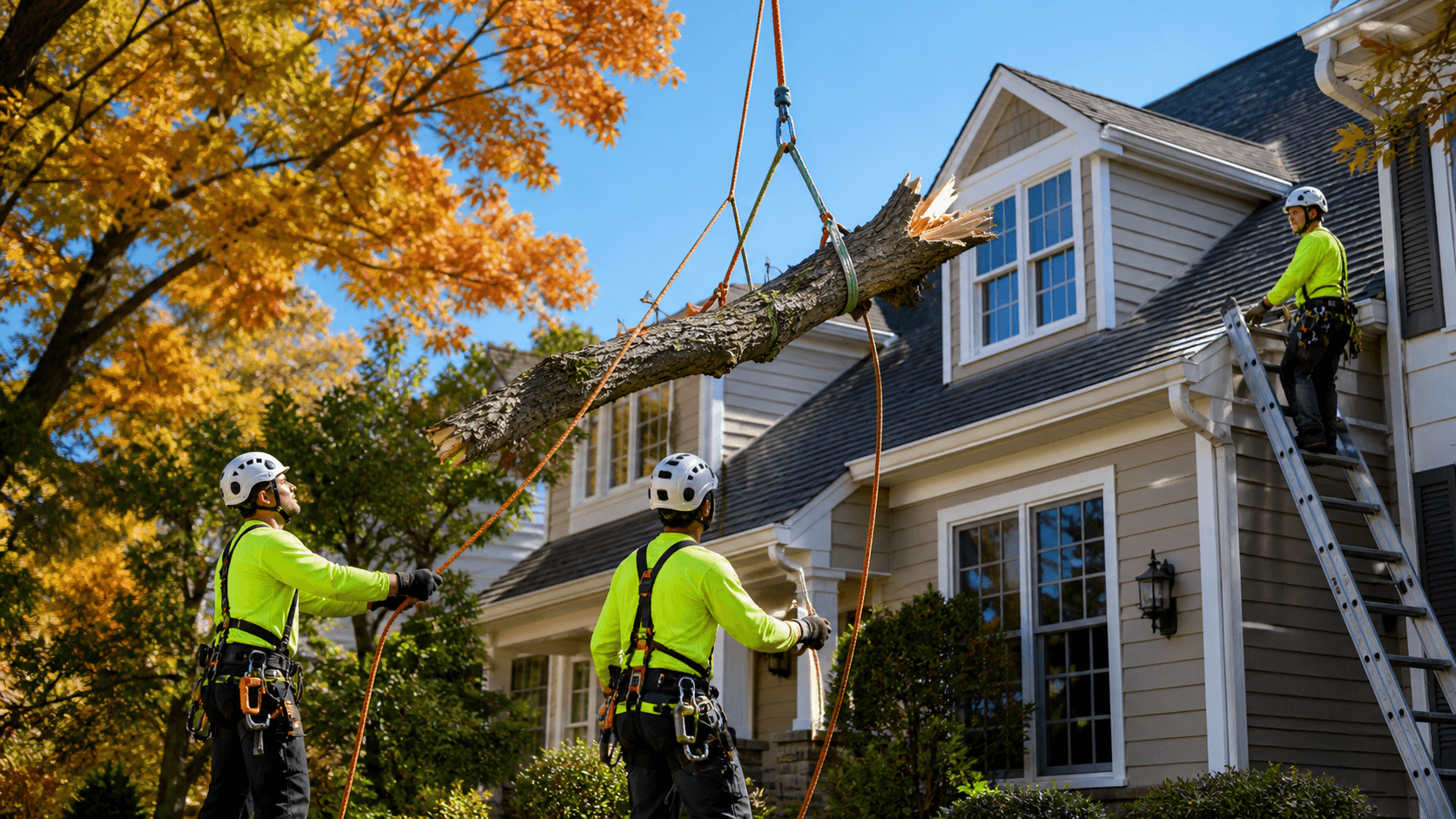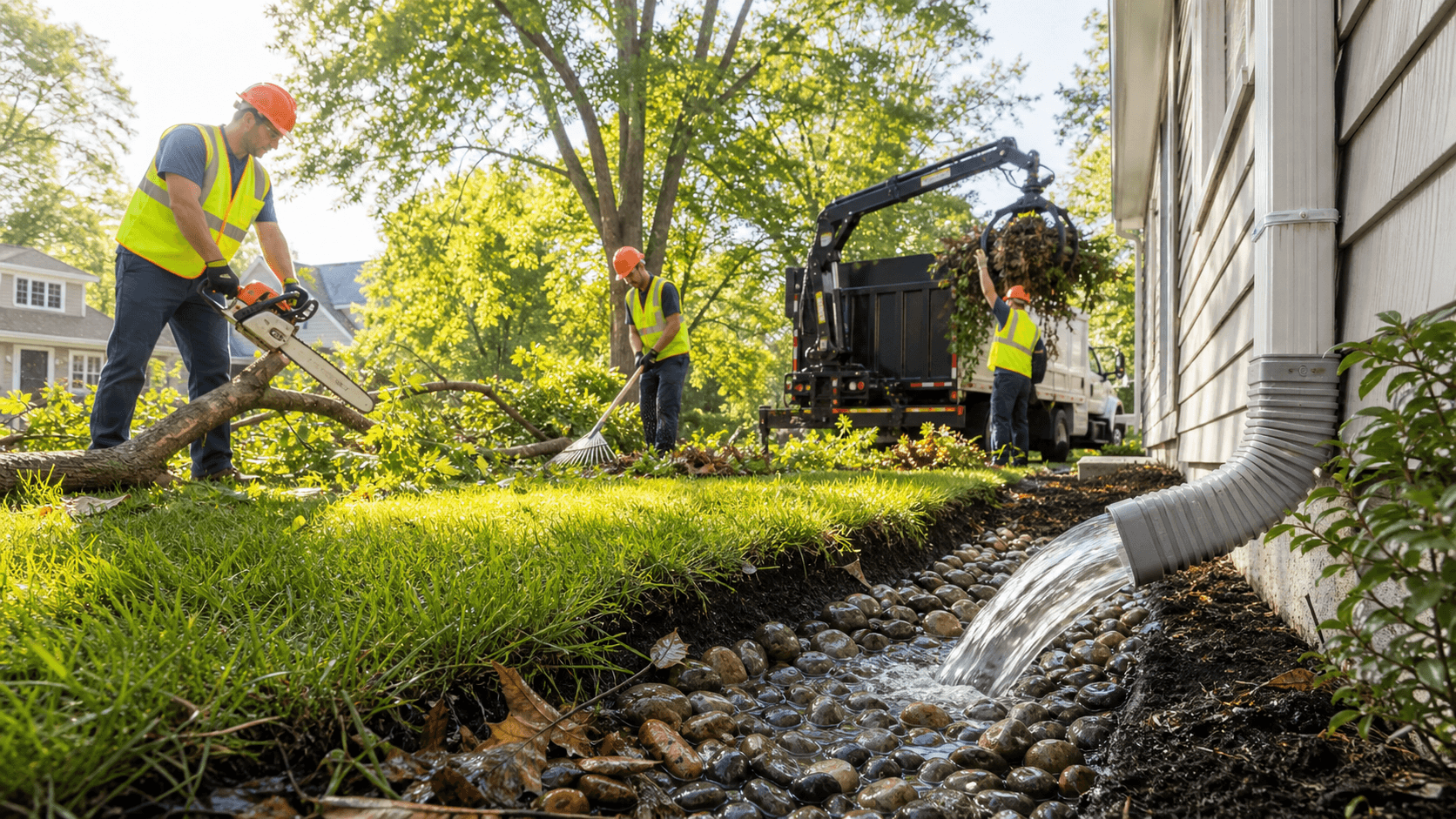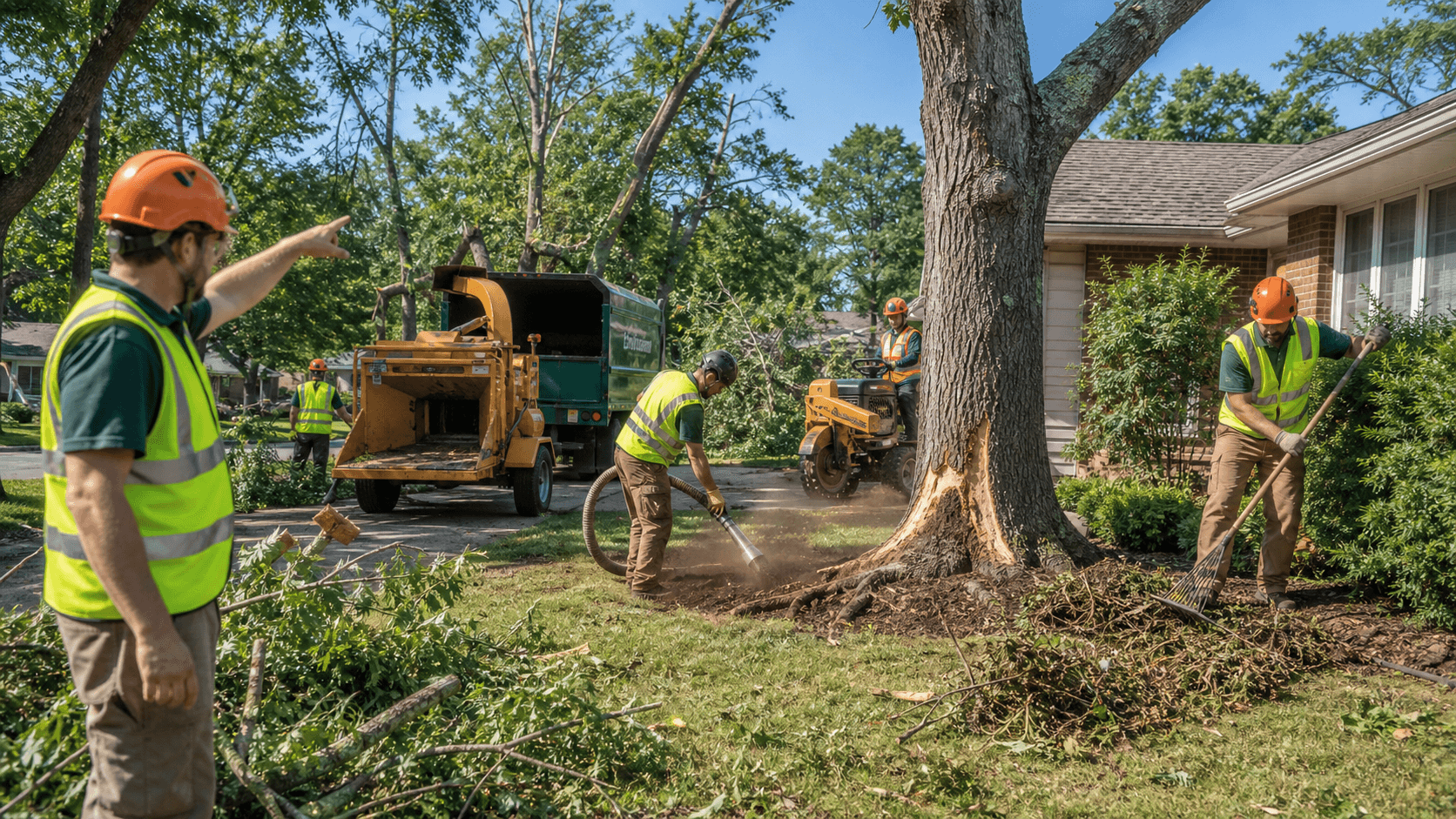
Late summer in Joplin brings more than just heat. Storm clouds build quickly, leaving broken trees, scattered limbs, and soaked soil in their wake. When cleanup begins, it's easy to focus on what's above ground. But storm damage cleanup in Joplin isn't just about removing the obvious debris. What happens under the surface can create bigger problems later if it's not handled the right way.
Tree roots are sensitive. A few missteps with heavy equipment or rushed clearing can lead to long-term damage. We've seen how cleanup that skips careful planning can weaken healthy trees, upset drainage, and even make a yard less stable. Paying close attention to root zones during cleanup helps protect your space long after the clouds clear.
What Summer Storms Leave Behind
Once the skies clear, yards can look okay at first glance. But there's usually more going on. Broken limbs, damaged trunks, and leaf piles are clear signs of storm stress. The real concerns can start below the surface.
- Soil often gets waterlogged in Joplin during late summer, which makes it harder for roots to hold their ground.
- Weakened trees might begin to lean, especially if the ground around them is soft.
- Roots can get exposed when fast-moving water washes away topsoil or when the ground gets torn up during emergency cleanups.
Swartz Tree Service provides full site assessments after storms, examining root exposure and soil shifts that may threaten standing trees or future yard stability. Damage like this isn't always obvious on day one. What seems like a few surface-level problems might cover signs of soil failure, hidden root tears, or slow-developing rot. That's why it helps to think beyond just picking up branches.
Yards that look mostly fine above ground can hide big shifts down below. It's worth taking the time to check not only fallen limbs but also signs that the soil has moved or settled strangely. Even if nothing looks immediately wrong, an inspection often shows soil cracks or raised areas where roots were forced up. Noticing changes now can save a lot of trouble during the next storm.
Why Root Zones Matter After a Storm
A tree's roots stretch farther than most people realize. Their health affects the whole tree, even if the canopy still looks full. When the area around those roots gets disturbed, it can send stress signals through the rest of the tree for weeks to come.
- The root zone is where trees absorb water, pull nutrients, and stay anchored. Any heavy impact there can cause lasting damage.
- Rushing to clear storm debris using heavy equipment or dragging limbs across the yard compacts or crushes roots.
- Once soil around roots becomes packed down, it holds less air and water. Trees left standing after a storm can begin to decline without much warning.
Long-term effects from root damage include slower growth, thinner leaf cover, and greater risk of falling in future storms. The repair process is much harder than the prevention step, so we aim to work safely around these zones from the start.
For many homeowners, it's hard to picture just where the roots run, since they're not visible like branches are. Most roots grow outward to the side instead of straight down. That means even a small amount of compaction or scraping near the trunk can come back as slow-growing problems later. A cautious approach means every remaining tree in your yard has a better shot at staying strong for the coming year.
Safe Cleanup Methods That Protect Root Health
Good cleanup doesn't just look neat on the surface. It leaves the ground ready to support whatever trees are still standing. We've learned a few methods that help protect the soil and roots while still clearing the yard effectively.
- Cut limbs into short pieces before moving them to avoid dragging through soft areas.
- If a tree must be removed, stump grinding is usually less disruptive than full root excavation. Leaving roots in place helps reduce shock to soil structure.
- Watch where equipment moves. Repeated trips over the same path can press the soil too tight, especially after rain. Using boards or mats helps spread out the weight.
Swartz Tree Service uses low-impact methods, lightweight equipment, and staging boards to avoid excessive root compaction, ensuring healthy recovery after summer storm events. The goal is to finish the cleanup without leaving the yard worse than we found it. Damage to the soil during this time can take months to fix, so we're always thinking about what happens down the line.
Working out a cleanup plan works best when every step is thought through, from where to stack debris to how to move logs safely. Sometimes, extra time spent up front saves weeks of recovery for your lawn and trees. Small efforts like placing ramps or laying out paths for walking and hauling keep the heaviest weight off root zones. Care with these details keeps yards and trees healthier over the long run, even after several strong storms that hit back-to-back in late summer.
What to Watch for in the Weeks After
Even when cleanup looks complete, trees can still tell a different story. Once the storm passes, it's smart to keep a close eye on how the yard responds. Some problems take time to show up.
- Leaves may start drooping, turning early fall colors, or dropping sooner than expected.
- Trees might show bare spots or a thinning canopy, which means they're under stress.
- Water may start pooling in spots where roots shifted underground, causing drainage issues that weren't there before.
These signs don't always point to disaster, but they do mean it's worth getting a second look. Acting early can make a big difference. Trees respond better when stress is caught quickly, and healthy roots bounce back sooner when they're supported.
It's a good practice to walk your property a couple of times in the weeks following a major storm. When something looks off, such as a patch of wilting leaves or new soil marks near the trunk, talking to a professional can help you decide if your trees need follow-up care or extra support. Not every problem is urgent, but early action often stops small issues from becoming big repairs down the road.
Storm Damage Without Lasting Damage
Storms move fast, especially in late summer, but how we respond after they hit matters just as much. By treating cleanup like more than just debris removal, we help yards stay strong into the next season.
Plans that protect tree roots and avoid overworking the ground make a real difference. Whether it's letting stumps rest a bit longer or skipping that extra trip across the lawn with a loader, small choices add up. Safe cleanup today cuts down on surprise problems later, especially when fall weather rolls in and the ground starts to shift again.
Cleaning up after storms is something we take seriously because we know how quickly one season rolls into the next. With the right steps now, yards come through stronger and demand less patch-up work when the next round of storms shows up.
Late summer storms can take a toll on your yard, but with a plan that goes beyond branch removal, you can help protect your yard's long-term health. We take pride in safeguarding root zones and maintaining soil stability during every stage of cleanup, making sure your outdoor space stays healthy throughout the year. For careful, experienced help with storm damage cleanup in Joplin, call Swartz Tree Service today.