Fall in Missouri always brings relief from summer heat, but it also pulls in more storm systems that put stress on trees already weakened or damaged. By the time we hit late September, we've usually seen a few solid rounds of wind and rain, and that's when homeowners in Joplin start to notice branches sagging or entire trees leaning a little more than they should. That's not something to ignore. As cooler weather moves in and leaves begin to fall, rooflines become more vulnerable. A broken limb or hidden rot can turn into a cleanup nightmare overnight. Getting ahead with storm damage tree removal helps keep roofs safer and gives homeowners fewer problems when the next round of rough weather rolls through.
Signs a Tree Is a Fall Risk
Not every damaged tree shows clear signs from a distance. Many start to give subtle clues only after they've taken a beating from multiple summer storms. Here's what we suggest looking for if you want to catch it before it turns into a hazard.
- Split trunks or large cracks, especially where two stems grew too close together
- Sudden leaning, even if it seems slight, especially after high winds
- Branches that are brittle or snap easily when touched
We also pay close attention to the base of the tree. Mushrooms or other growth near the roots might mean hidden decay below the surface. Soil that's sinking or cracked around one side of the trunk could be a clue that the root system has started to fail. Some of the worst issues we see begin underground. If something feels off, it's usually worth a second look.
How Storm-Damaged Trees Threaten Rooflines
The risk to your roof isn't always a giant tree falling flat. It's often one heavy limb landing just right. Eaves, gutters, shingles, and skylights can all take hits from falling branches in a single gust.
- Large limbs hanging near the house can shift or fall suddenly after rain softens the wood
- Fragile trees that lean toward the home often move more with each storm
- Smaller broken branches can collect in roof valleys, causing water to back up or pool
Over time, that trapped moisture starts to affect the roof structure. A slow leak might not show up right away. By the time anyone notices signs inside, the damage is already done. Spotting and removing the hazard ahead of time saves a lot of trouble later on.
Timing Removal Work Before the Leaves Drop
Once the leaves come down, it's harder to see what's really going on up in the tree. That's why we always suggest people check their trees before the peak of fall color sets in. Late summer and early fall give us clearer visibility and safer access.
- Damaged limbs are easier to spot while trees still have full growth
- Ground conditions tend to be drier, which helps avoid tearing up grass and soil during removal
- Getting ahead of the first big October storm lowers the chance of needing emergency work later
Swartz Tree Service offers tree removal and storm cleanup services using low-impact equipment and careful planning to protect roofs, lawns, and walkways for properties in Joplin and the Four-State area. Waiting too long means taking on removal jobs during colder, wetter conditions, which can delay work or make it harder to finish safely. Fall gives us a short window to act while everything's still manageable.
What a Professional Removal Team Looks For
When we're called in to assess a storm-damaged tree, we start with more than just a walk around the base. There's a full picture we try to build by looking at every part of the tree, plus what's around it.
- We check the overall shape and weight distribution in the canopy
- We look at where each main limb points and how close it is to windows, decks, or roofs
- We study the trunk for cracks, dead areas, or fungus along the bark
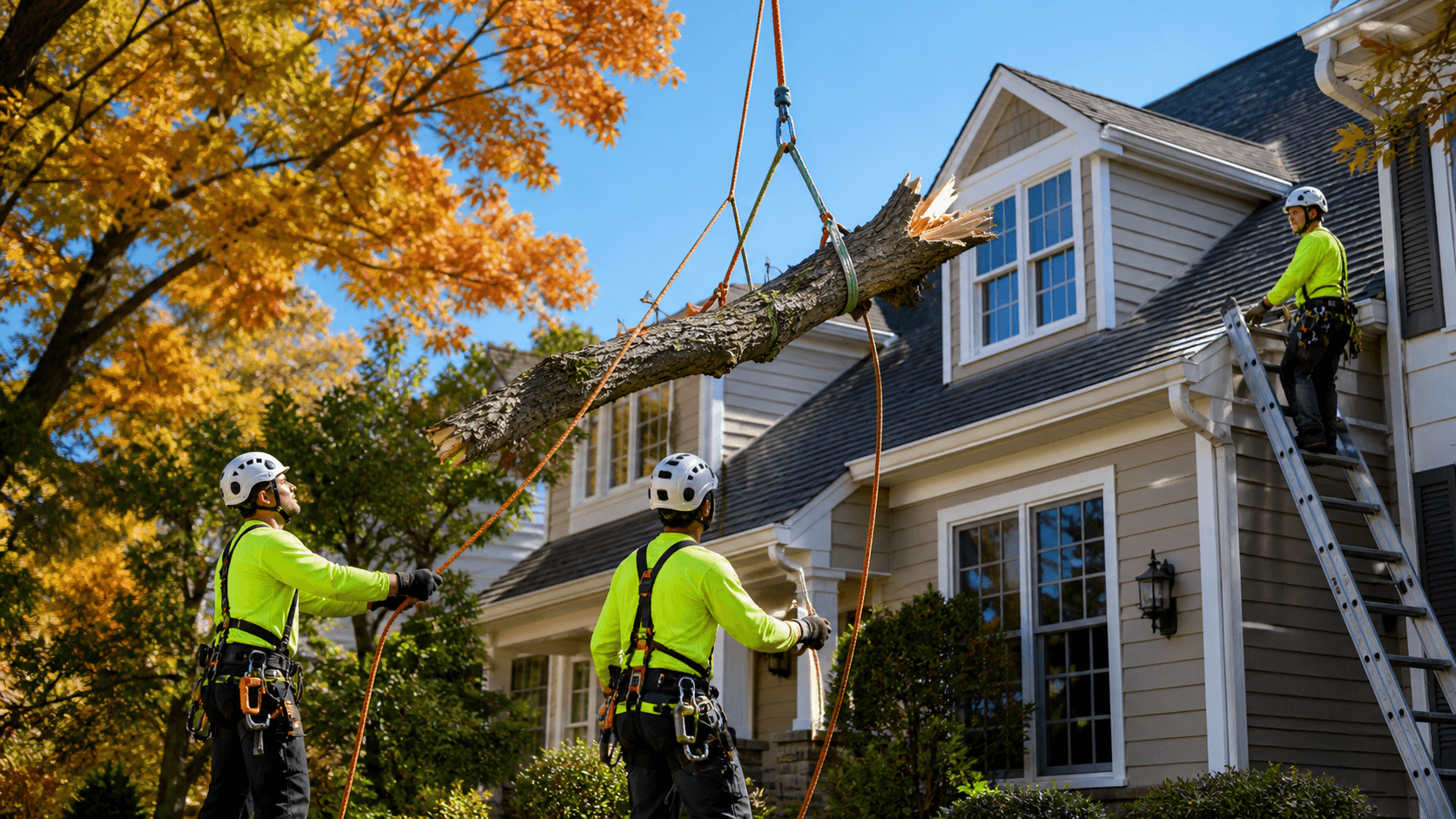
The layout of nearby buildings matters too. If a tree stands close to a porch, garage, or neighbor's fence, that changes how we approach the job. Everything from the angle of the fall to where ropes get anchored has to be planned with those things in mind. Safely removing a storm-damaged tree close to a home takes strategy and focus.
Protecting the Rest of the Yard During Tree Work
Big jobs don't have to leave a big mess. We take steps to make sure the rest of your yard doesn't pay the price when it's time to remove a bad tree.
- We use ground pads or boards to protect lawns from equipment weight
- We plan entry paths to stay clear of flower beds, sprinkler heads, or walkway lighting
- We rope down large sections slowly to avoid crashing limbs across the yard
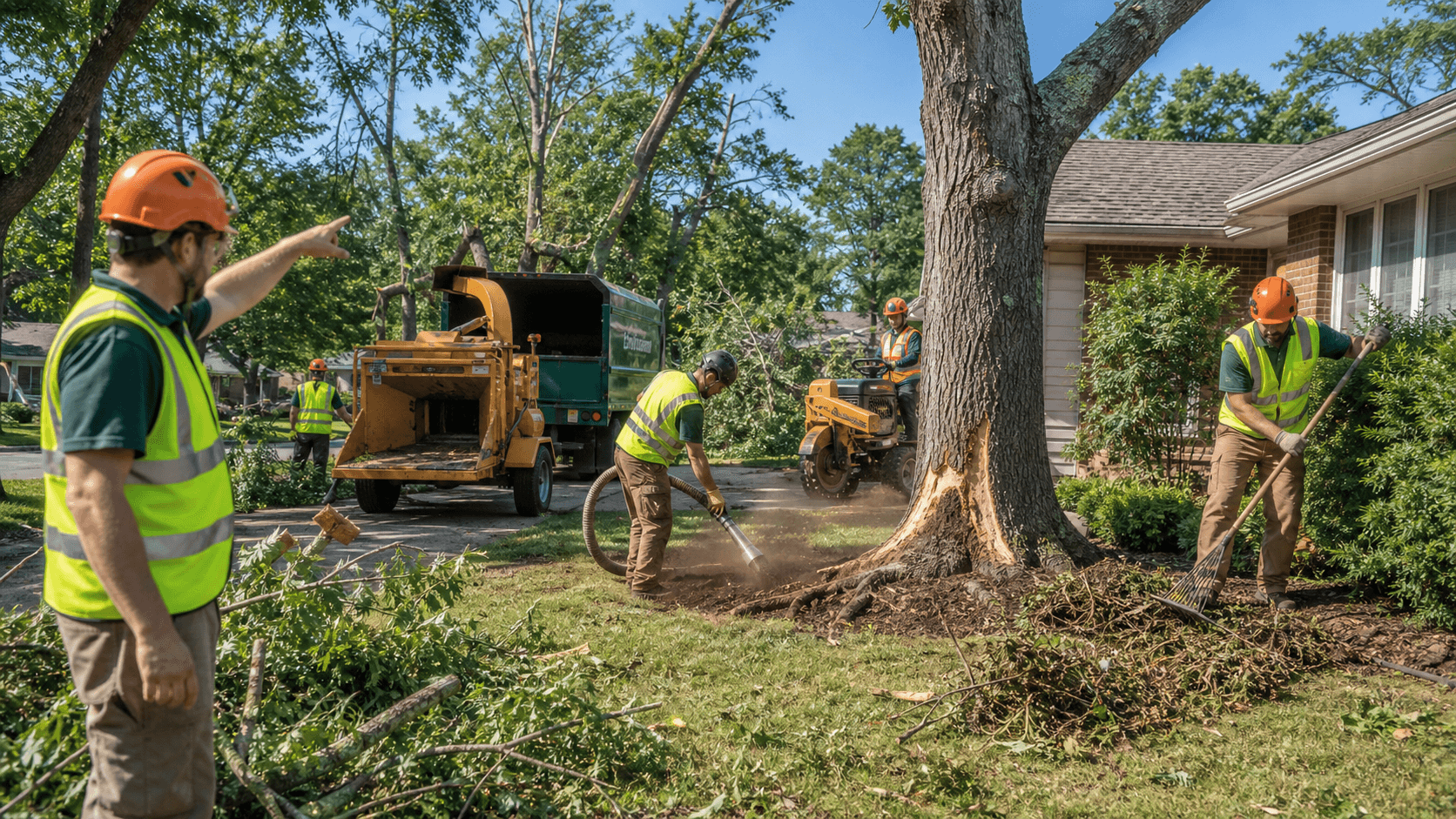
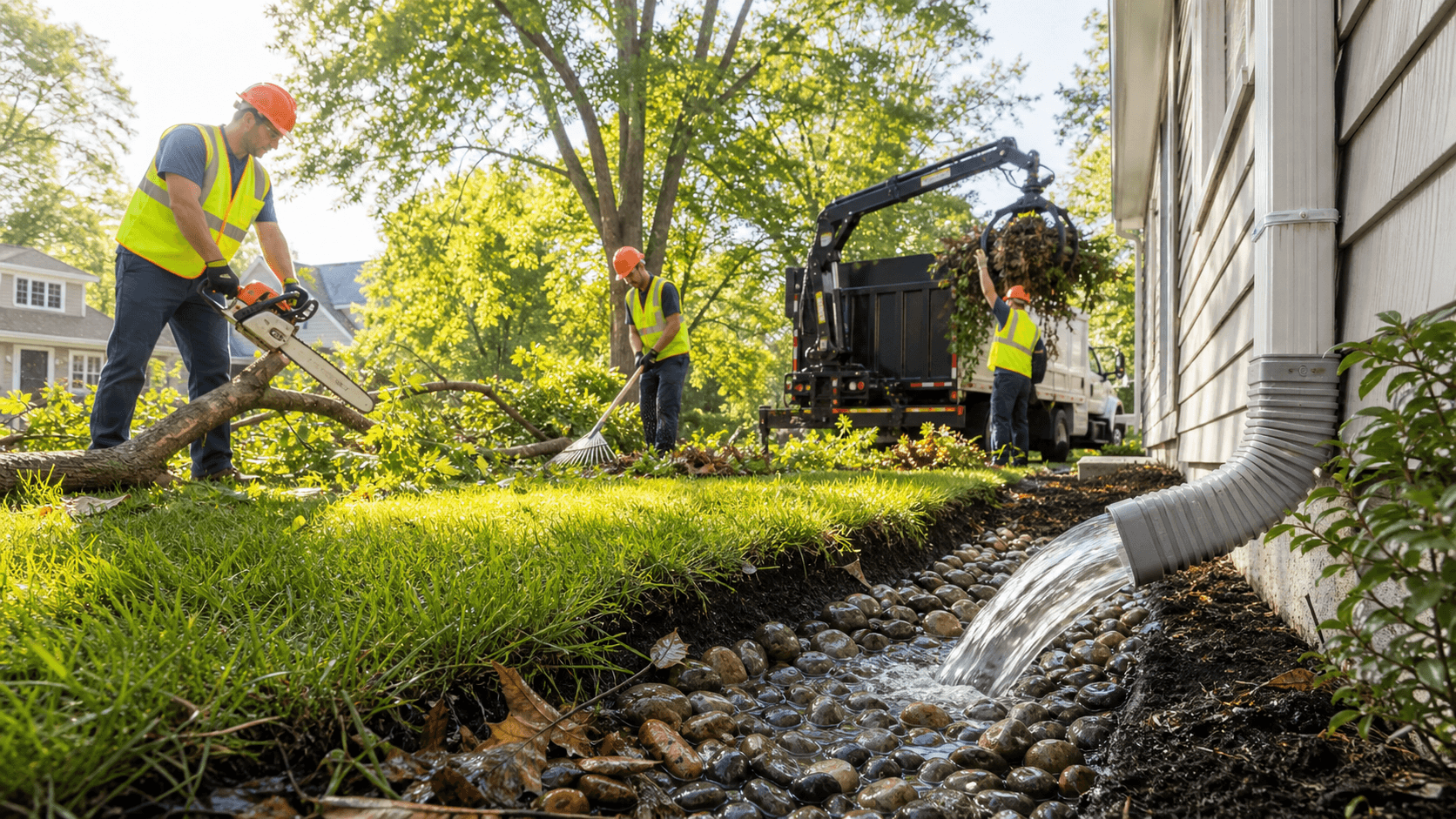
Swartz Tree Service completes site cleanup for every job, including chipping, hauling debris, and removing leftover wood, so your outdoor area is clear and safe once the hazard is gone. Once the work is done, cleanup makes a big difference. Hauling out wood, chipping limbs, and clearing sawdust leave the space more usable and stops rodents or bugs from moving into leftover piles. It's not just about tree removal, it's about restoring your yard after the hazard is gone.
Safer Rooflines and a Smoother Fall Season
Missouri afternoons get windier in the fall, especially around Joplin, and tree damage before Halloween is more common than most people expect. That's why checking out your trees early in the season makes such a difference. Storm damage tree removal can feel like a big step, but it's one that pays off when the next system hits and your roof stays untouched.
Taking care of weak limbs now means fewer calls to roofing crews in November. With cleaner gutters, less debris, and no overhanging threats, homes hold up better through fall and into winter. A little planning this time of year goes a long way toward a calmer season ahead.
Storm season can leave hidden dangers in your yard, so now is the perfect time to have our experts assess your trees for risks you might not notice from the ground. We'll help you identify issues before they threaten your roof or property and guide you toward the safest solutions. When limbs are hanging low or leaning where they shouldn't, our team is ready to handle safe, careful storm damage tree removal. Call Swartz Tree Service today and let's make sure you stay prepared for the next round of storms.