By the time late August rolls around in Joplin and other parts of the Four-State region, summer starts to shift. The air feels different at night, and the skies bring more wind and scattered rain. Fall storms aren't far behind, and that makes it a smart time to double-check what's hanging over your driveway, roof, or yard. Trees that stood strong through the summer heat may now be a little more worn down, especially after months of drought or fast growth. Their shape and condition matter more than usual as weather patterns shift. That's where emergency tree service comes in. By catching problems ahead of time, we can lower the chance of damage and keep outdoor spaces safer before the season turns rough.
Early help goes a long way when it comes to trees and storms. Whether it's an unstable trunk, long overhanging limbs, or signs of rot that weren't visible in spring, spotting the risks now can help avoid bigger cleanups later. Our fall-ready approach focuses on looking ahead and acting before wind, rain, and dropping temperatures make conditions harder to manage.
Why Late Summer Is the Right Time for Tree Risk Checks
Across Missouri, Kansas, Oklahoma, and Arkansas, the weather shifts dramatically between August and September. We start to see stronger winds and quicker-moving storms roll through. For trees that have already dealt with heat stress, this is when hidden weaknesses become bigger problems.
- Trees may develop cracks in their limbs or trunks during long periods of dry summer weather. These signs can be hard to notice without looking up close.
- Limbs that drooped a little in June are now closer to walkways and rooftops, especially after soaking rains or gusty winds.
- Waiting until damage has already happened puts properties and people at risk. It can also limit what we're able to do after the fact because conditions might be unstable for our crews.
For many homes, it only takes one missed branch or weakened area to cause surprise issues during a fall storm. By checking early, we take pressure off the season ahead and give ourselves a better shot at shaping safe, clear spaces around homes and buildings.
Warning Signs Trees Are at Higher Risk of Falling
Sometimes a tree looks healthy from a distance but shows signs of trouble closer up. That's often the case right before fall storms, especially after a long, hot summer. Here are some of the signs we look for that tell us a tree might need work now rather than later:
- Dead or drooping limbs that lag behind the rest of the canopy.
- Sections of bark that feel soft to the touch or fall away easily, especially around the base.
- Branches hanging over patios, streets, or power lines that no longer feel strong or balanced.
- Exposed or broken roots that lift the tree on a tilt.
When trees start showing these signs toward the end of August, they're far more likely to fail during the next wave of strong winds. Even small trees can do damage when they break in the wrong direction. Paying attention now helps avoid that stress and gives us more control over what happens next.
What Emergency Tree Crews Handle Before Storms Hit
Our role before a storm looks different than it does after. Right now, we're focused on prevention. That means identifying problems that haven't turned into emergencies yet but easily could during the next heavy rain or windstorm.
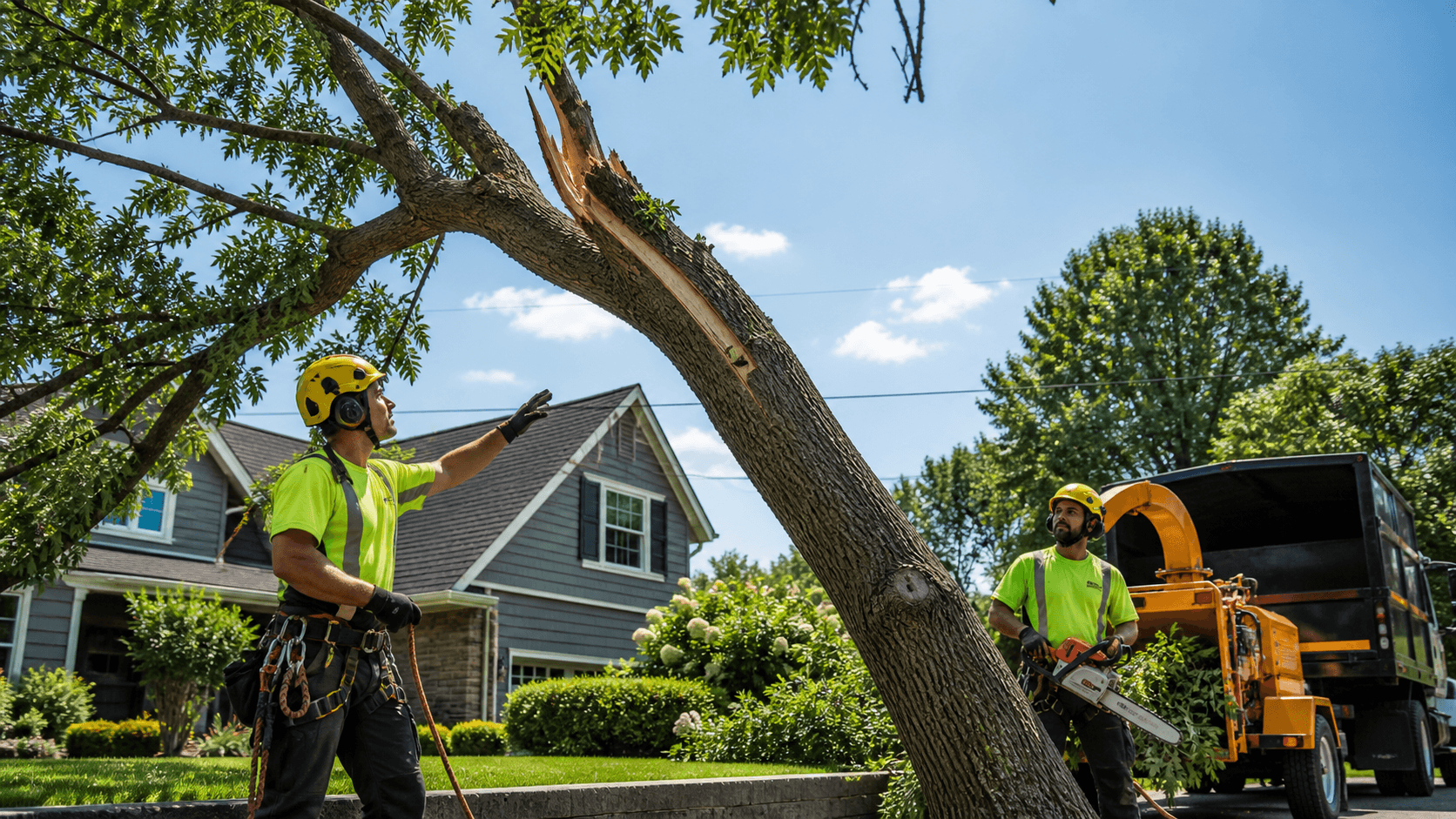
- Clearing out cracked or partially broken limbs that might fall with very little pressure.
- Removing trees that are already leaning, hollow, or facing buildings at bad angles.
- Thinning thick areas of canopy that could trap wind instead of letting it pass through.
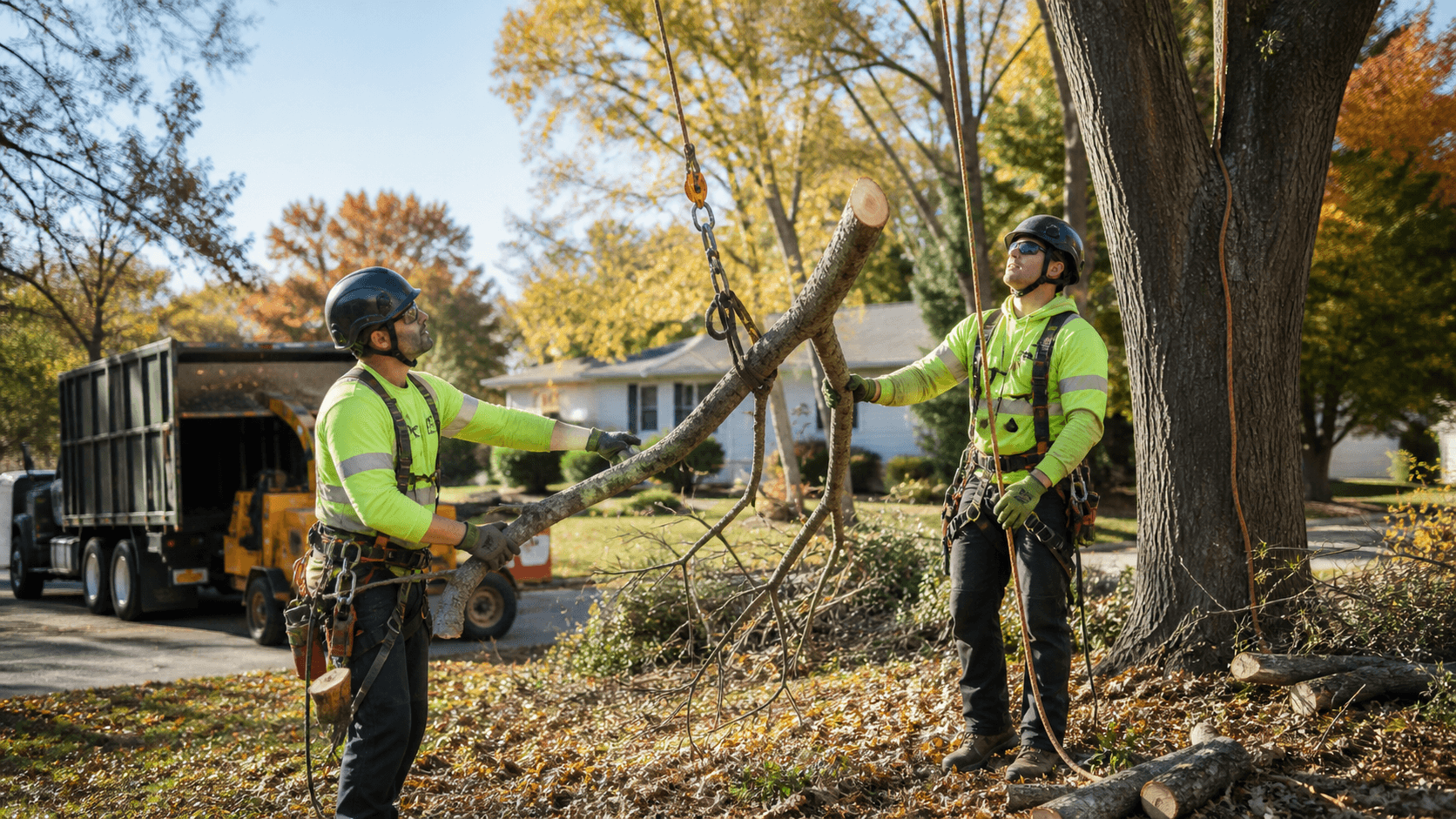
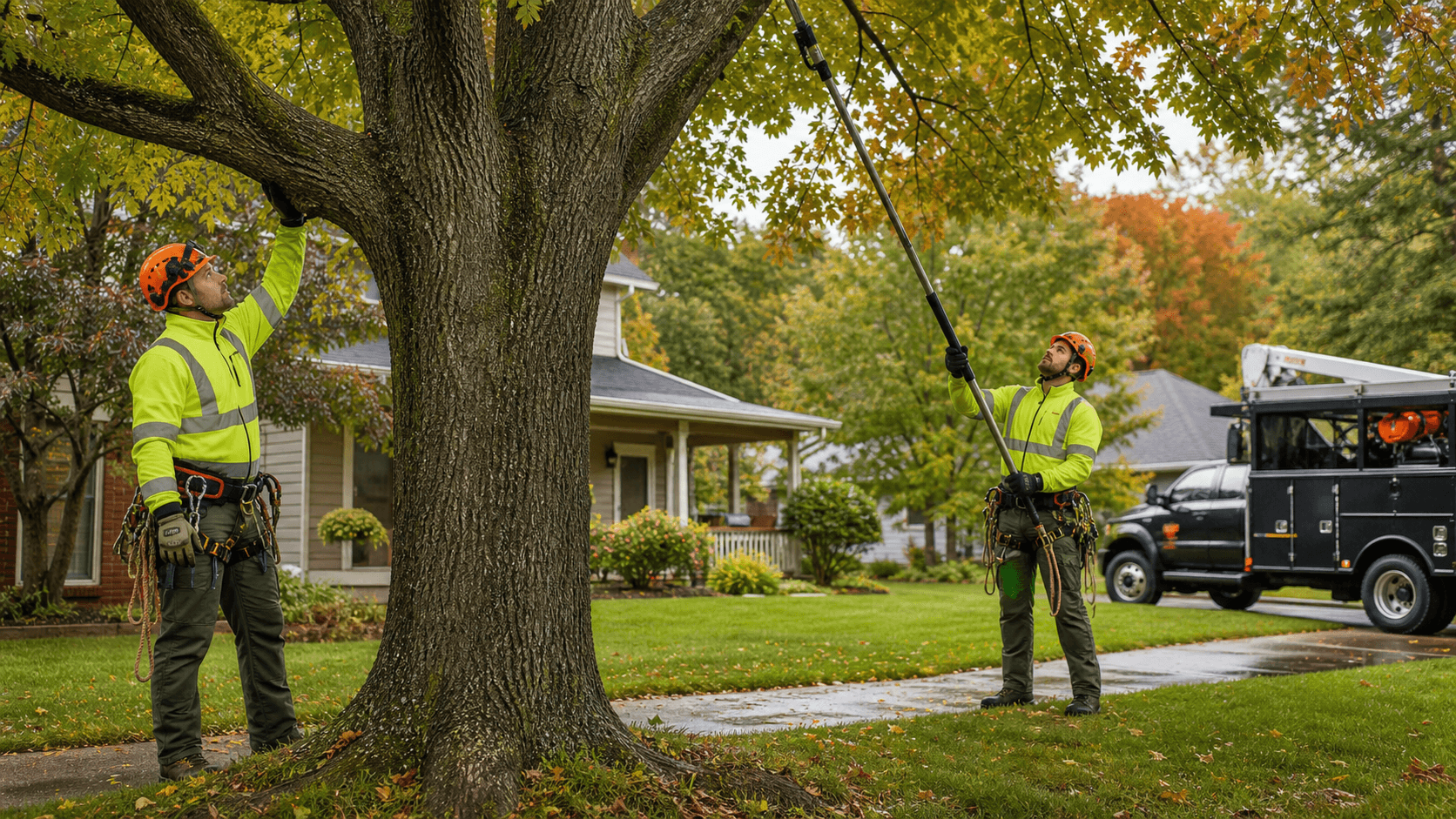
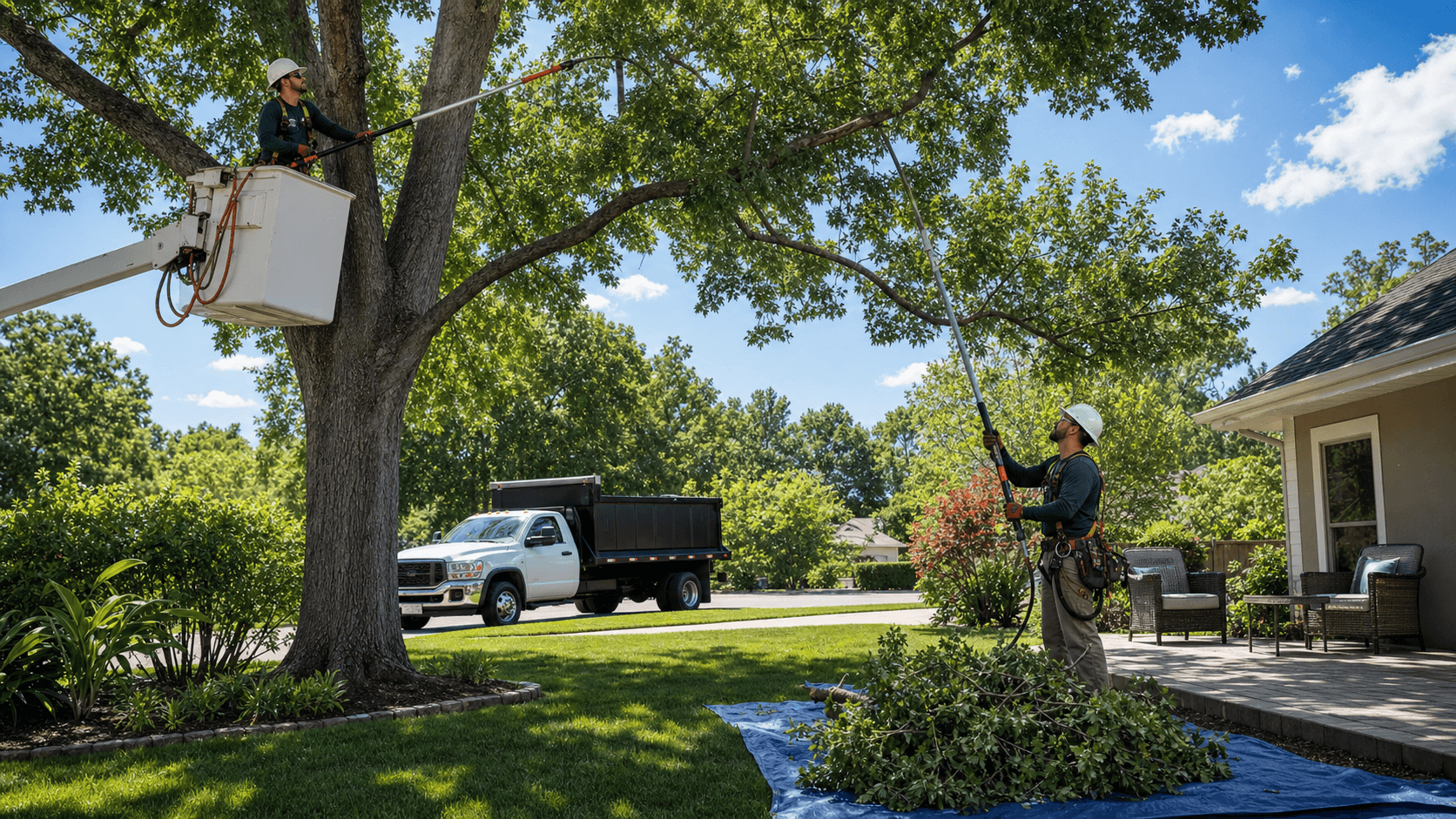
Swartz Tree Service provides storm preparation trimming, debris removal, and hazardous tree identification using industry-approved equipment in Joplin and nearby cities. By doing this kind of cleanup ahead of the season, we reduce strain on the tree and lower the chances of surprise breakage when weather picks up speed. Emergency tree service isn't just about showing up after damage. It's also about making sure we never get to that point.
How Proactive Tree Work Reduces Fall Storm Cleanup
When we step in early, cleanup after storms becomes a lot easier. The more care a tree gets before the fall season, the more likely it is to hold its structure during tough weather.
- Tight, well-shaped trees don't lose as many limbs when the wind hits.
- Broken or weak spots are already removed, so nothing unexpected falls.
- We reduce buildup from fallen debris that gets in the way after a big storm passes through.
Doing this kind of tree care while the weather is still stable gives trees time to adjust and grow into their changes. It's also faster and safer for our crews when we're not clearing roads, climbing over fences, or working around storm damage. That means simpler finishes and less disruption overall.
The Hidden Costs of Waiting Too Long
When trimming and removal get pushed too far down the to-do list, the results show up right after the first big storm of the season. Limbs that could've been shaped fall into driveways. Trees that leaned a little now lean a lot. Worse, the risk stays for days or weeks, especially if soil is wet and trees begin to shift.
- Branches that fall unexpectedly can split fencing, block garage doors, or cover vehicle access.
- Fallen trees can shift entire root systems, which makes fast fixes more complicated.
- During fall storms in Joplin and the surrounding region, service availability fills fast. That wait time can stretch longer if more than one system moves through.
By jumping ahead of fall storm season, we avoid scrambling for help once the damage is already done. It puts us in a better position to make smart, planned decisions, which lowers the total time and effort spent recovering later.
Safer Yards and Fewer Problems This Fall
Getting trees checked before the arrival of heavy fall weather is a small step with a big impact. We've seen how early work helps prevent costly challenges and keeps outdoor areas safer for everyday use. Emergency tree service is one way we help prepare spaces now, before the leaves change and the wind starts throwing branches across roofs and yards.
By taking this time in late August to look for risks and clean up problem spots, yards are more ready for what's ahead. Safer trees, cleaner surroundings, and fewer emergencies make a strong difference going into the shift between summer and fall. As the season changes, we're already one step ahead.
Leaning trunks or weakened branches around your property can quickly turn into major problems when storms roll through. We're here to help you address issues early by assessing for damage and taking action before small concerns become costly repairs. Our crew at Swartz Tree Service responds quickly and safely with the proper equipment to protect your space. When an urgent tree problem needs attention, count on our emergency tree service in Joplin to step in and help get your yard ready before the next storm arrives.