After a heavy storm rolls through Joplin, it's common to find limbs scattered across yards, gutters overflowing, and sometimes, entire trees knocked over. When that happens, clearing the mess becomes the first thing on anyone's list. But once we handle the fallen tree removal, the next step often isn't as visible. That's up on the roof, where storm damage hides behind broken branches and leaves.
It's hard to inspect a roof properly when a downed tree is still resting against it or blocking ladders and safe access. Shingles might be cracked. Gutters could be pulled loose. And moisture trapped under debris can lead to rot if it's left too long. We know from experience that clearing fallen trees opens the path to check for real damage. And catching those issues early keeps repair costs smaller and your home safer.
Why Storms Knock Down Trees Around Homes
Fall storms in Joplin, Missouri, show up fast and hit hard. One day it's mild. The next, winds are howling through bare branches and soaking the ground with rain. That mix of wind and wet soil makes it easy for older trees to give way. Roots lose their grip in soggy earth, and top-heavy canopies catch those strong gusts like sails.
Even a tree that looked fine last week can tip if its roots are shallow or the trunk is hollowed by age or pests. We've seen it happen often during late November, especially when trees sit close to homes, fences, or driveways.
Some warning signs to watch out for:
- Tree trunks that lean toward buildings even slightly
- Overgrown limbs that hang over rooftops
- Raised or cracked soil around a tree's base after a rain
A lot of people don't spot these until it's too late. And once the tree is down across part of your roof, the real work begins with clearing it out and seeing what's left underneath.
How Fallen Tree Removal Makes Roof Checks Possible
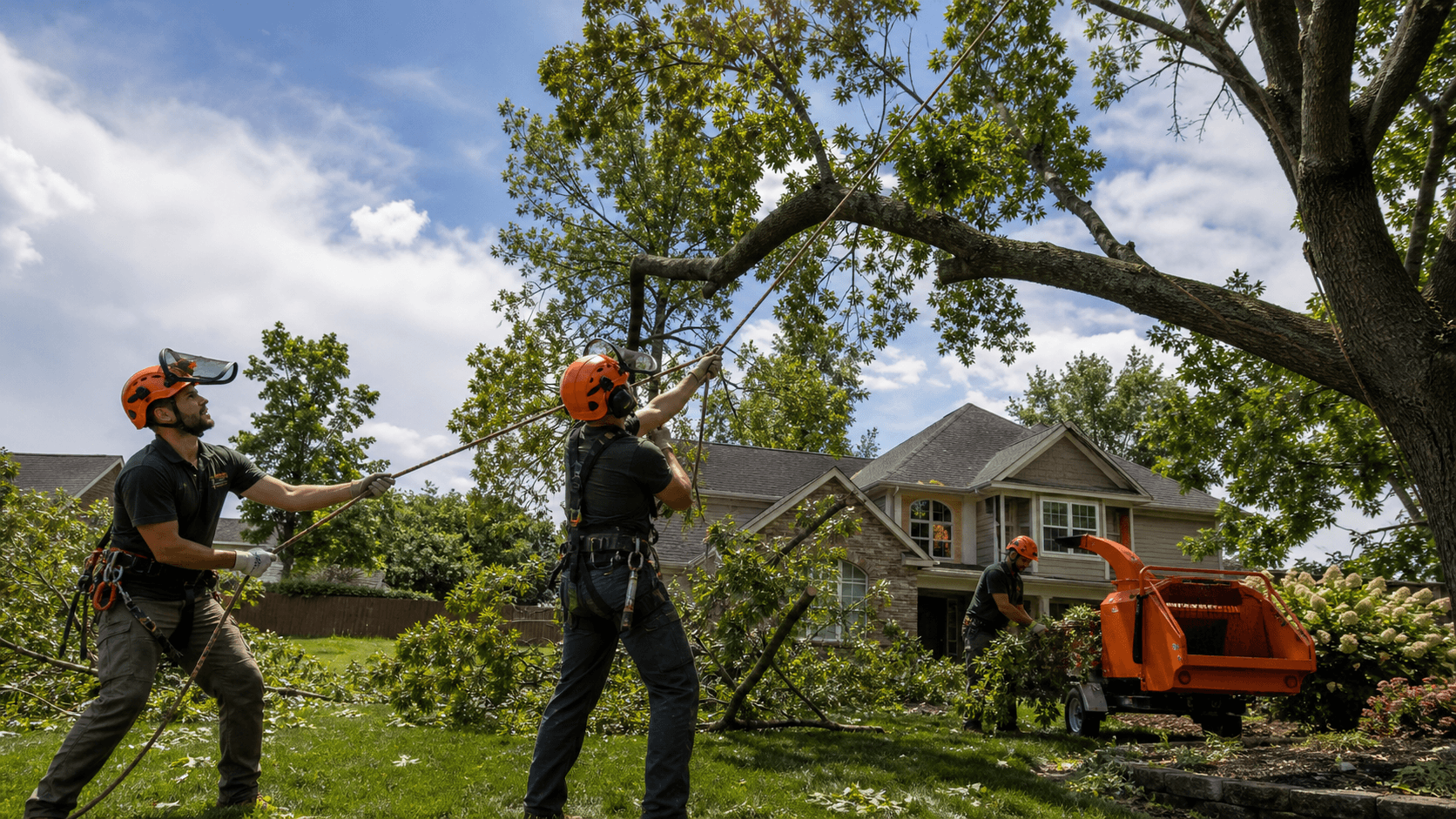
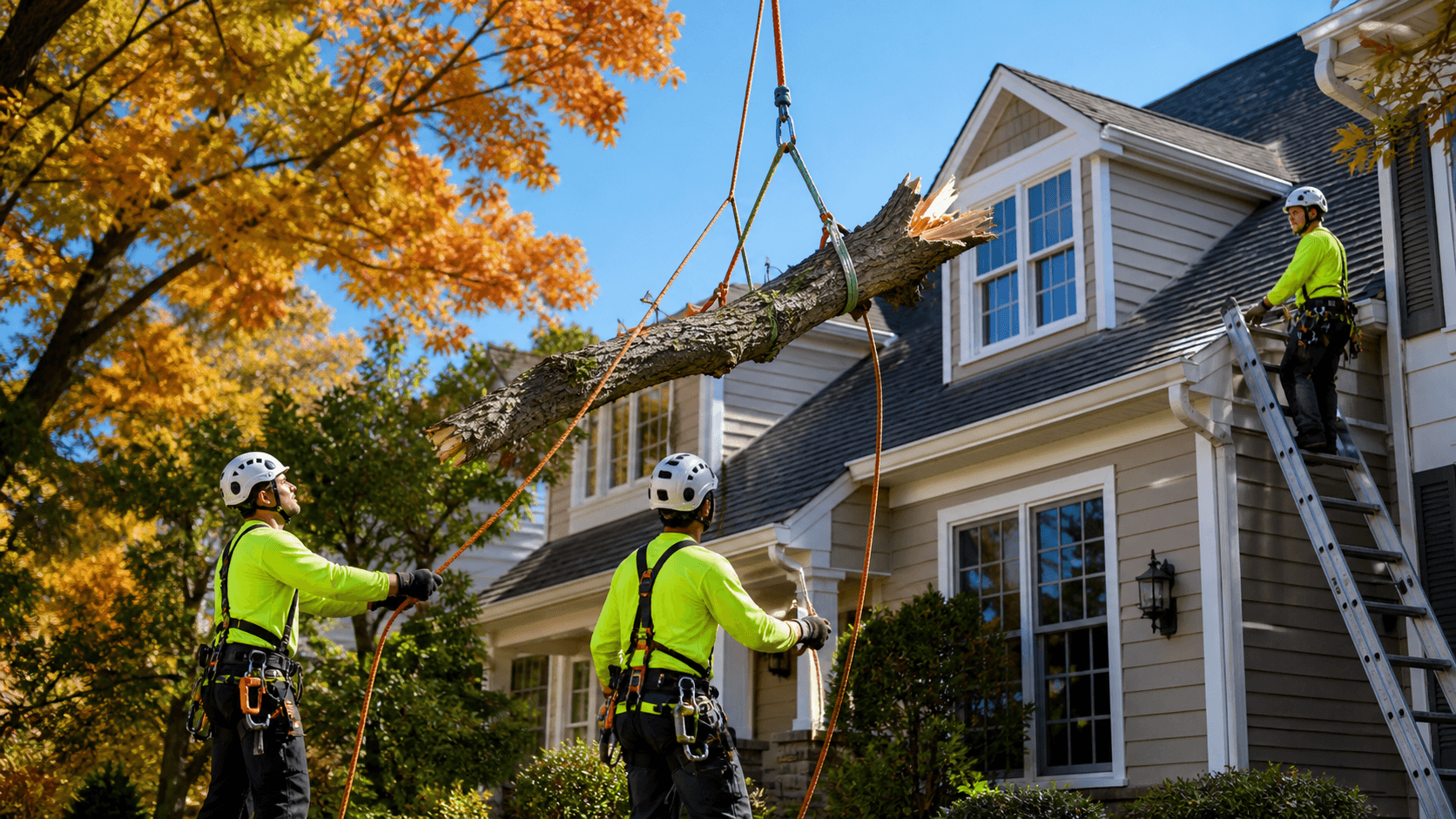
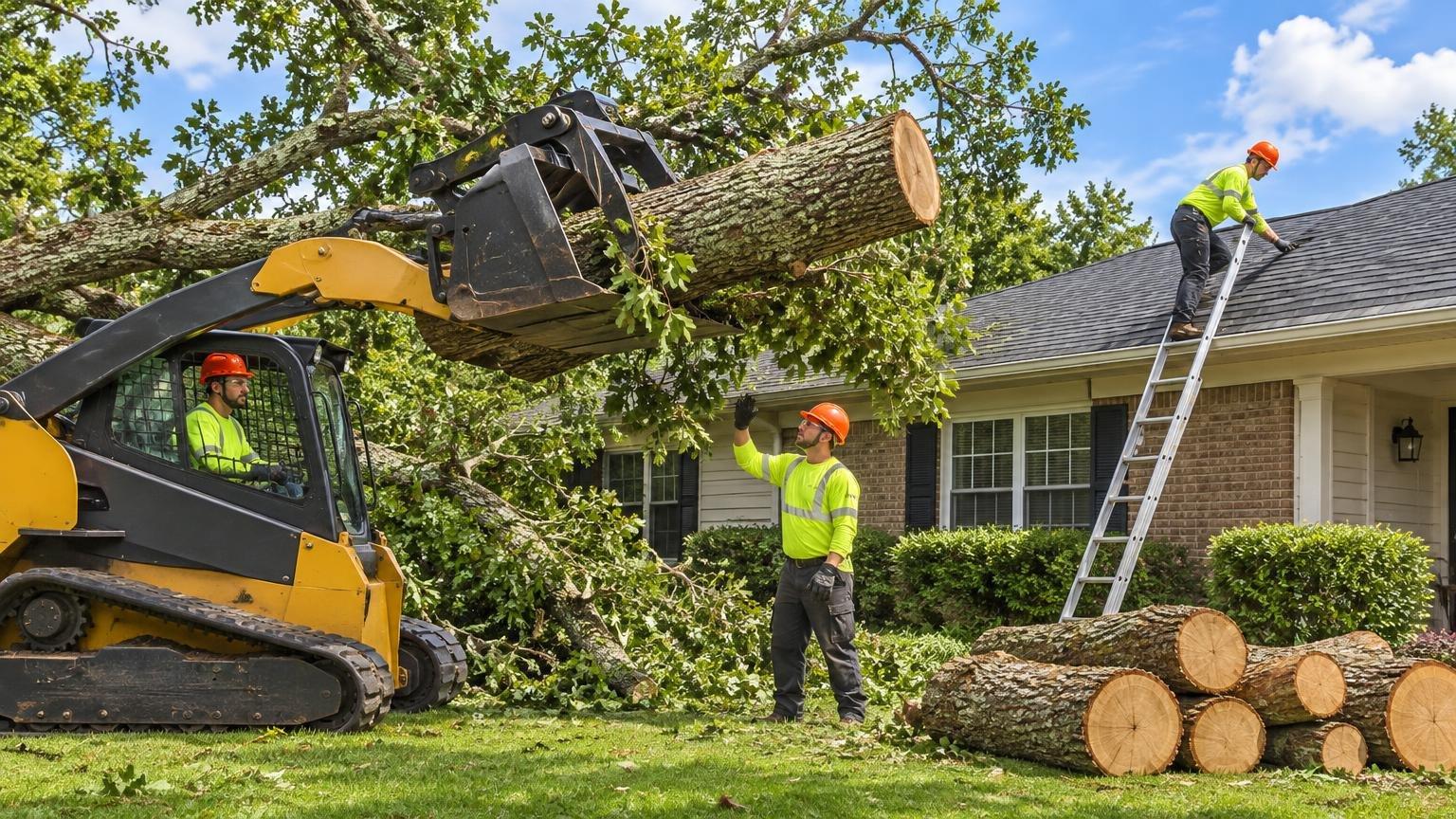
When a tree falls on or near your home, the first challenge is clearing the space safely. We have to remove thick limbs, heavy trunks, and debris without causing more damage to the roof. That means chainsaws, rigging, and careful steps to keep loose parts from slipping or tearing into the structure further.
Once the mess is gone, the roof can finally be inspected. Before that, it's all guesswork. Debris can easily hide missing shingles, small holes, or bent flashing. Tree removal lifts the weight off the roof and gives a clear view of high-risk areas.
With the space open:
- Inspectors and roofers can move safely across the surface
- Damage can be photographed clearly for insurance claims
- Temporary fixes can be done right away if needed
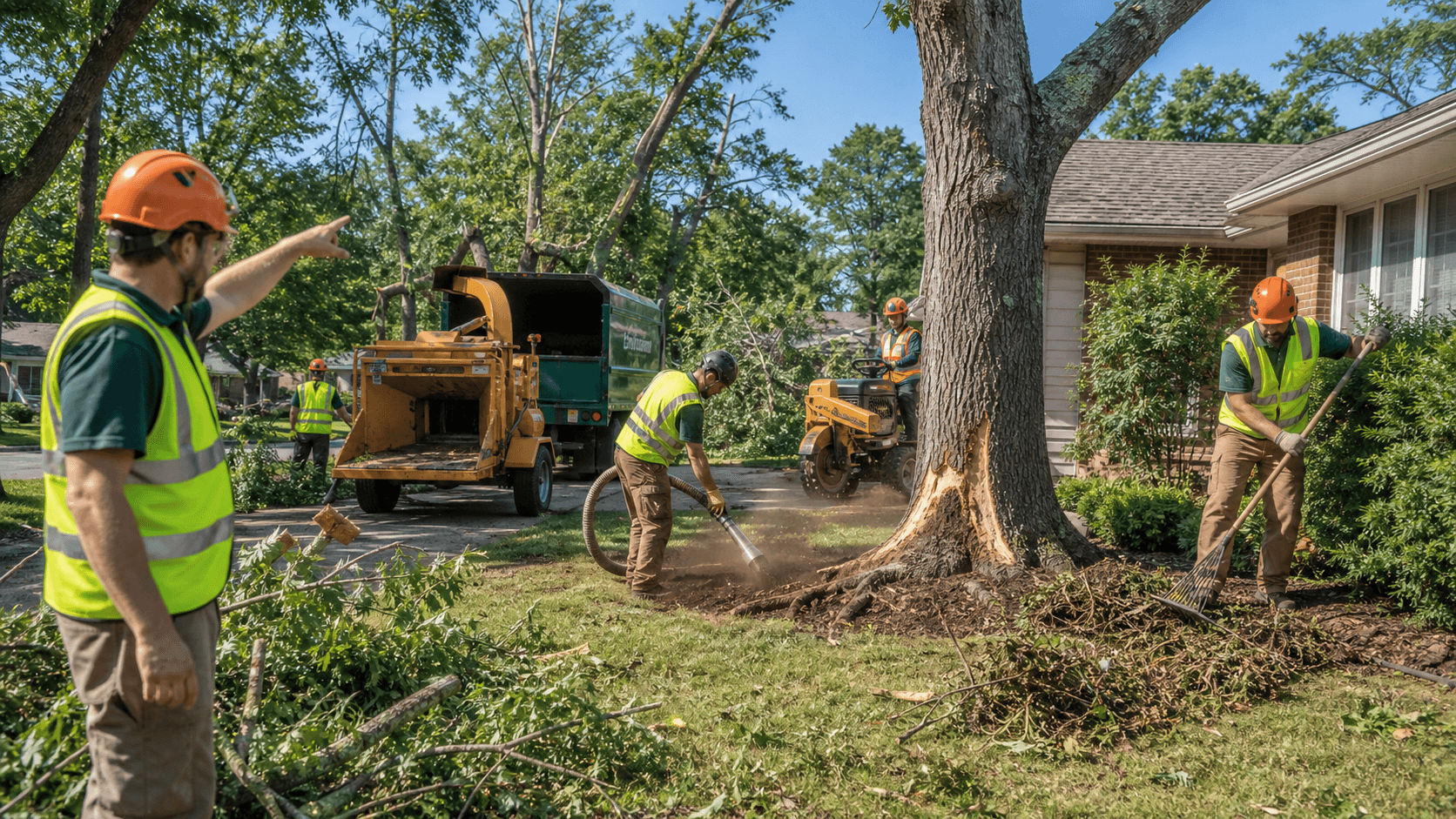
Swartz Tree Service uses proper rigging, bucket trucks, and debris removal tools to safely clear fallen trees from roofs or around homes in Joplin and the Four-State region. Speed here matters. The longer debris stays in place, the more trouble it can cause.
The Hidden Roof Damage You Can't See at First
Fallen trees don't always punch clean holes through a roof. Sometimes, the damage hides in smaller cracks, broken tiles, or crushed vents. Other times, it's the slow damage that does the most harm.
When heavy branches lay on your roof for more than a few hours, they can press down in ways that shift shingles, bend gutters, or pop nails loose. Rain can sneak in through those spots and collect where it shouldn't. That extra moisture takes little time to start softening wood or creeping into ceiling seams.
Here's what we've seen many times:
- Tiles broken under weight that weren't visible from the ground
- Flashing torn loose from wind stress, hidden by nearby leaves
- Vents knocked out of alignment, letting in cold air and water
The sooner we clear the roof, the sooner all of this can be dealt with properly before winter weather hits harder.
Why Delays in Cleanup Cost You Later
Waiting to deal with fallen trees can lead to more than just inconvenience. When left sitting too long, problems stack up quickly. Debris blocks gutters, clogs drains, and creates places where rot and mold set in. Water that gets trapped doesn't just stay on the roof, it runs beneath it and seeps through the layers.
Delays can slow insurance claims too. If a roofer or adjuster can't take pictures or document the damage, things get backed up. Snow or frost only make things worse.
Other problems with waiting:
- Animals may burrow into the debris for shelter
- Cracked areas may widen as temperatures drop
- Contractors may delay repairs if the space isn't safe to enter
Swartz Tree Service provides same-day and emergency fallen tree cleanup, ensuring homes in Joplin are clear in time for repairs before cold weather sets in. Clearing the area early helps everyone do their job better and faster. It also protects the inside of your home before winter ramps up in full.
When Every Hour Counts: Fall Storms in the Four-State Region
November weather in this part of the country doesn't stay steady for long. Joplin and its surrounding regions in Missouri, Kansas, Oklahoma, and Arkansas often move from rainy to freezing in just a couple of days. That quick shift makes it risky to leave damage unchecked heading into December.
Once temperatures start to fall, water turns to ice. What was a minor roof puncture now has frozen water expanding the damage from the inside. And when ice builds on top of limbs still resting on shingles, the weight pushes even more force onto weak spots.
This is where timing matters:
- A fast clean-up helps avoid ice damage in already-compromised areas
- Inspections go more smoothly during dry, above-freezing days
- Contractors can get assessments done before the holiday shortage of workers
Weather doesn't pause after a storm. The follow-up work needs to happen quickly if we want real protection before winter digs in.
Safer Roofs Start with a Clear Path
When storms sweep through, removing damaged trees helps more than your yard. It's the first step in making sure your home's roof is still holding strong. Without that step, there's no way to know if a problem is hiding underneath a bed of soaking leaves and cracked limbs.
Quick fallen tree removal gives everyone else, from roofers to inspectors, a clear and safe space to work. It makes their job easier and helps you get problems handled before more storms or cold weather come in. A clean roof today means fewer headaches tomorrow and a steadier home heading into winter.
Storms can leave more than a mess behind in Joplin, debris can block roof inspections and put your home at risk. With our team at Swartz Tree Service, you get urgent, careful cleanup that goes beyond the basics. We make sure fallen tree removal is handled safely and thoroughly, so your property is protected. Reach out today and let us help restore your peace of mind.