Introduction
Tree removal in Joplin, MO is something many homeowners face during the hot stretch of summer. Trees that lean too far, drop heavy limbs, or show signs of decline can quickly shift from being yard features to safety risks. Once the heat sets in and storms start rolling through, small problems often turn bigger.
Removing the right tree at the right time keeps your yard safer and less cluttered. It also gives the remaining trees more space and sunlight to grow. Whether you're prepping for landscaping or just making sure your home stays protected, smart planning around tree removal makes a big difference in how your property holds up during the rest of the season.
When Tree Removal Makes Sense
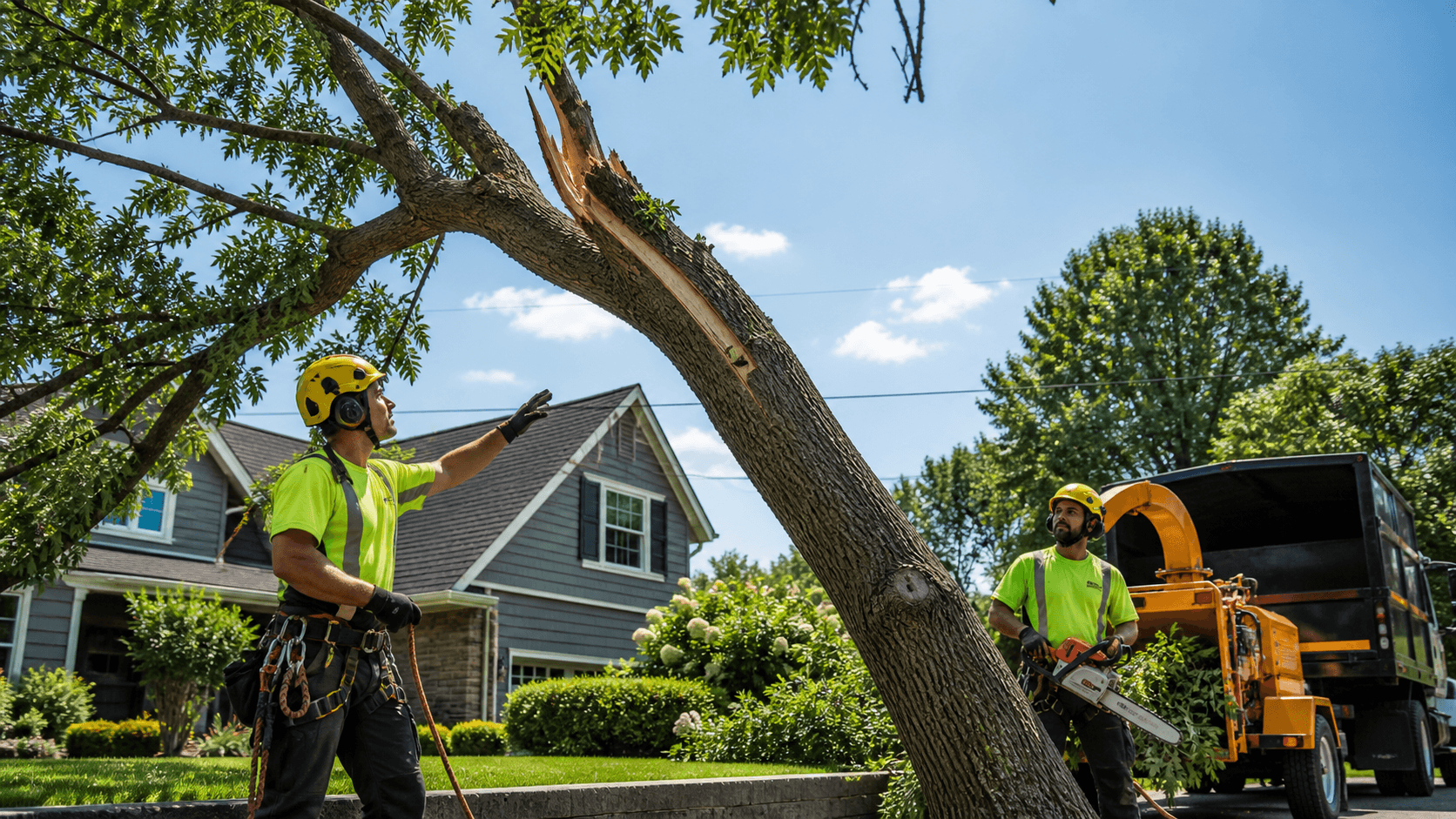
There are a few signs that tend to show up first when a tree is no longer stable. Dead or bare branches, a soft or hollow trunk, and visible leaning are all things to watch. Sometimes, it's not one obvious signal but a mix of concerns that add up over time.
- Dead limbs that fall during wind or heat can point to a larger issue inside the tree.
- Cracks in the base or deep splits along the trunk weaken its structure.
- Trees that lean more than before, especially after heavy rain or drought, may have root trouble.
- If roots are lifting sidewalks, damaging driveways, or getting too close to your foundation, that's another strong sign.
Summer stress can speed up decline. In early July, trees are already under pressure from long daylight hours and heat buildup in the soil. Waiting until late summer can bring stronger storms, higher winds, and less time to act before damage happens. When we remove problem trees early, we cut down the risk of rushed removals or last-minute service calls after a big storm.
Local Factors Joplin Homeowners Should Know
Not all yards in Joplin show the same stressors. The climate and soil here make summer a unique challenge for both trees and property upkeep. Pests and disease tend to flare up with the heat, especially if trees are already struggling.
- Oak wilt and bagworms become more active in mid to late summer.
- Poor drainage in clay-heavy soil can soften tree roots too much and cause crooked growth.
- Rocky or compacted ground makes it tougher for trees to anchor firmly.
Swartz Tree Service is familiar with city permit requirements and utility checks needed before removal, and offers full service in neighborhoods across Joplin. Joplin neighborhoods may also have specific guidelines on when and how trees can be removed. Power lines can limit where equipment is placed, and shared property lines may involve talking with neighbors. It's best to take those factors into account during the planning stage to avoid surprises later.
Addressing these local details helps us time our work better and avoid delays if permits or utility checks are needed. Yard age, tree size, and even lot shape can change how a removal should be handled.
The Tree Removal Process: Step-by-Step
We don't jump into removal without taking a good look first. Our process usually starts with checking the tree's health and the nearby space. Safety is a top priority, not just for us, but for your home, garage, fence, and anything else close by.
- First, we look at the canopy to see how big the crown is and whether it's balanced or top-heavy.
- Then we check the trunk for rot, hollows, or large wounds.
- The root zone is next, including soil firmness and slope.
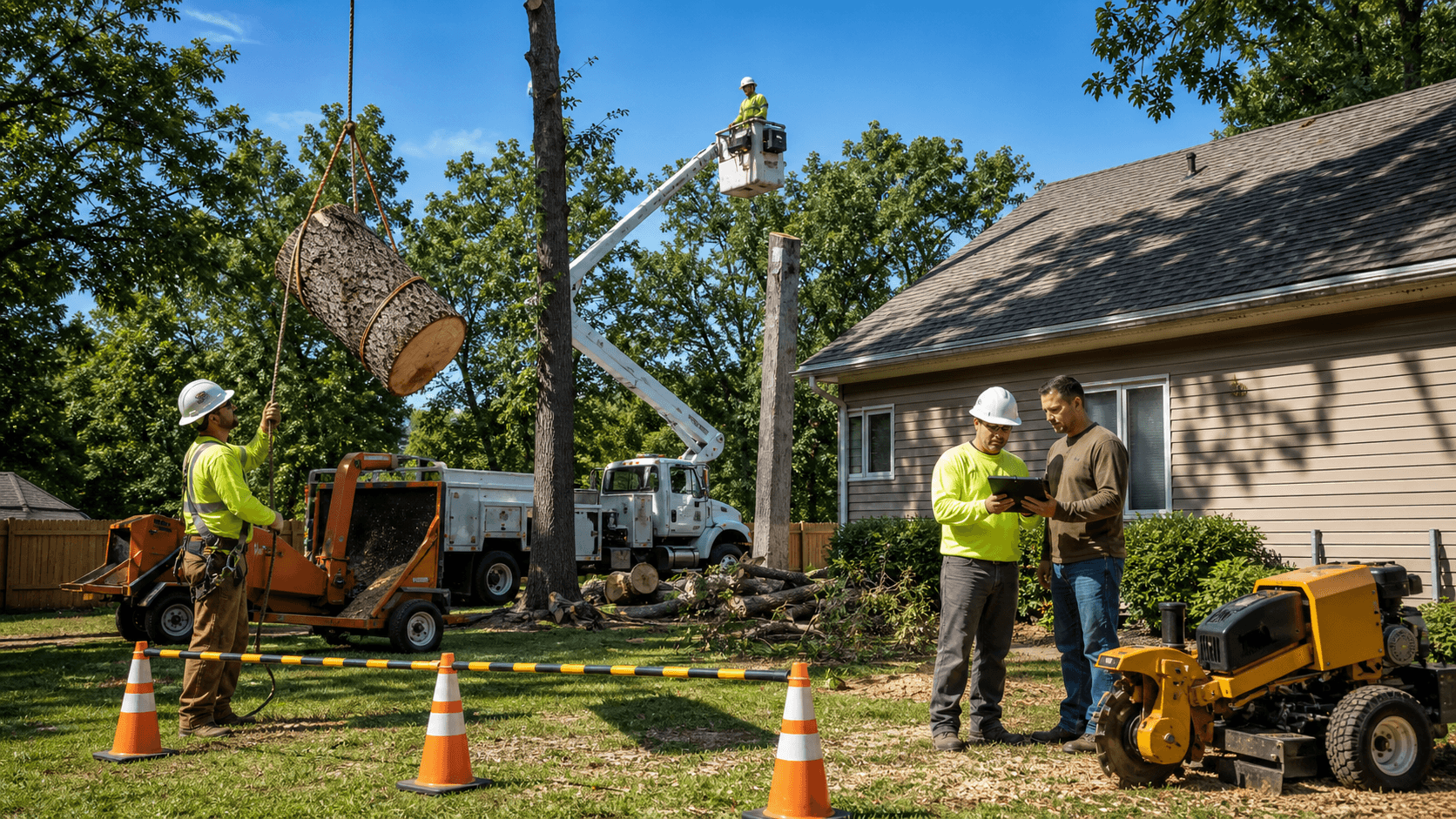
- We consider any buildings, driveways, wires, or garden features nearby before we choose a removal method.
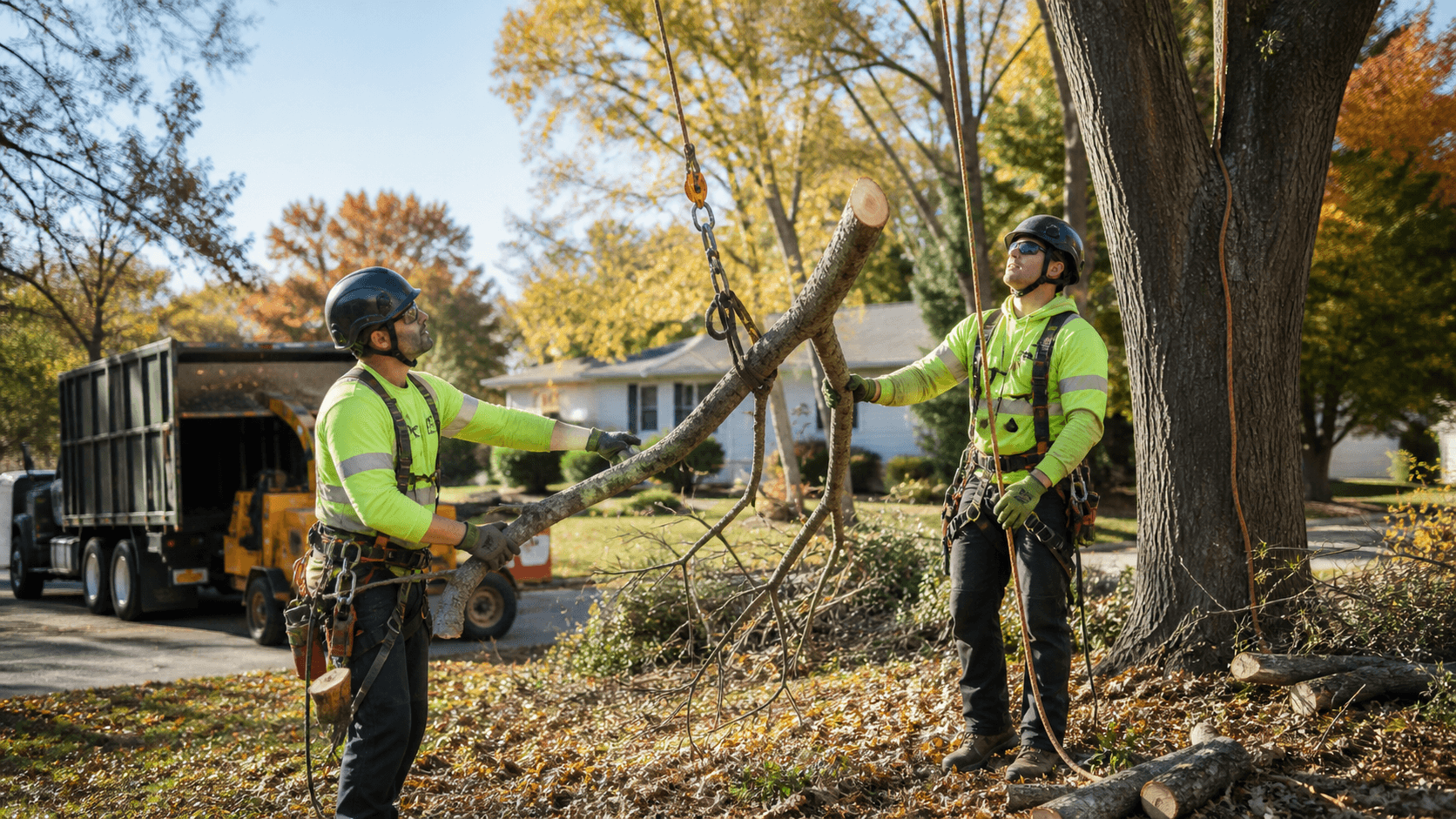
Depending on the tree's position, we may remove it in sections or take it down from the top with ropes and lifts. Close quarters can slow the process, but with careful steps, it stays controlled and low-impact. Removal isn't just about cutting, it's about managing risk at every stage.
Swartz Tree Service uses industry-approved equipment and offers stump grinding and debris cleanup after every removal to leave your yard cleaner and safer.
Cleanup, Aftercare, and What Comes Next
When the tree is gone, the job doesn't stop there. What's left behind can affect how your yard looks and functions for weeks to come.
- Stumps can be left as-is, ground below the surface, or removed entirely depending on the next steps in your yard.
- Branches, limbs, and sawdust get cleared and hauled so the space is ready for what's next.
- Replanting can help prevent erosion and keep shade where you need it, but it should be planned with care.
Removing a tree frees up sun, space, and water for the other trees nearby. Those changes can be positive or stressful, depending on which trees remain. Adjusting watering and keeping a close eye for any signs of leaf burn or stress will help the transition go smoother. Sometimes even small trees nearby grow stronger once competition for light and moisture is gone.
Replanting may not be immediate, but it's smart to think through future shade, privacy, and yard use when that open spot appears. Choosing the right variety for your soil and space can lead to better, longer-lasting growth.
Smart Timing, Safer Yards
Summer tree removal in Joplin, MO often lines up with seasonal heat, summer storms, and home maintenance projects. Spotting warning signs early gives us time to act safely instead of rushing after damage has already happened.
Not every tree needs to go, but the ones that do shouldn't be left to chance. If we wait too long, problems spread or get bigger when storms roll through. By looking closely at health, location, and long-term yard plans, we make safer decisions that work better in the long run. Summer might be hot, but it's also the best time to get ahead of what's coming next.
Noticing changes in your trees or want to prepare before severe weather arrives? We're here to help. Our safe, timely work always starts by understanding what your yard needs, and how the heat, storms, and soil conditions around Joplin impact your trees. Taking action now means fewer surprises later in the season. Learn more about how we handle tree removal in Joplin, MO and what to expect from start to finish. When you're ready to get your yard in better shape, give Swartz Tree Service a call.