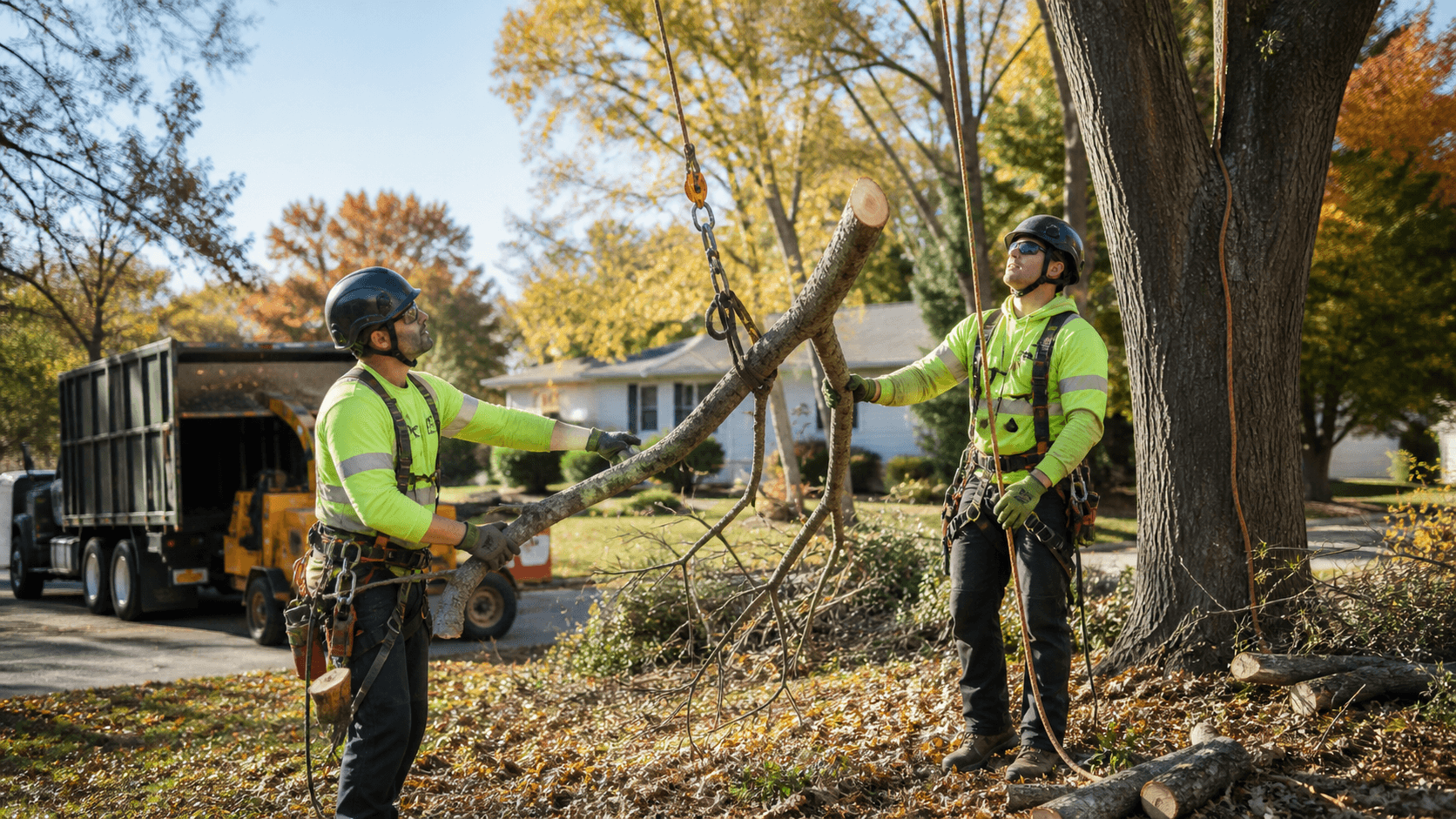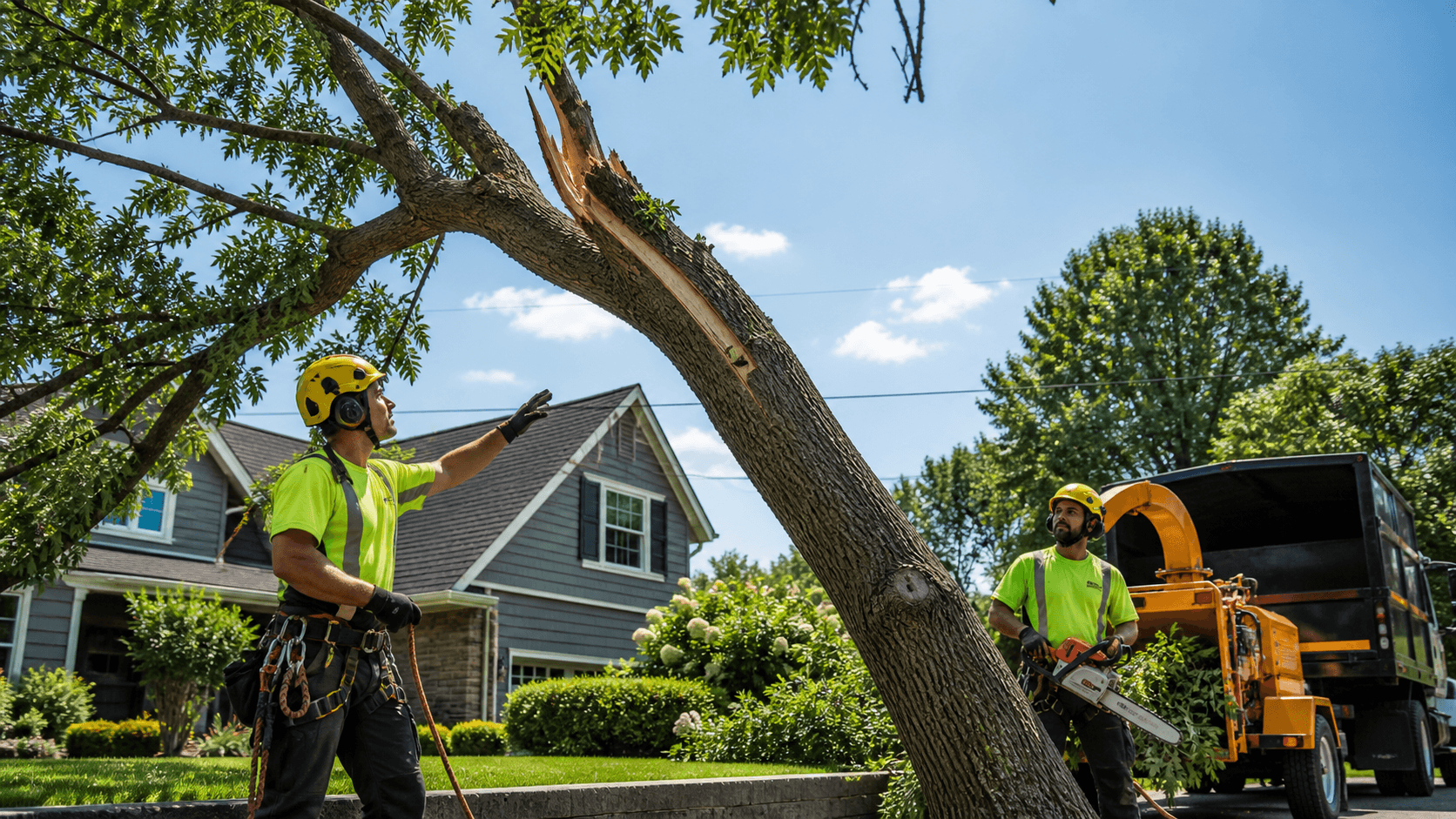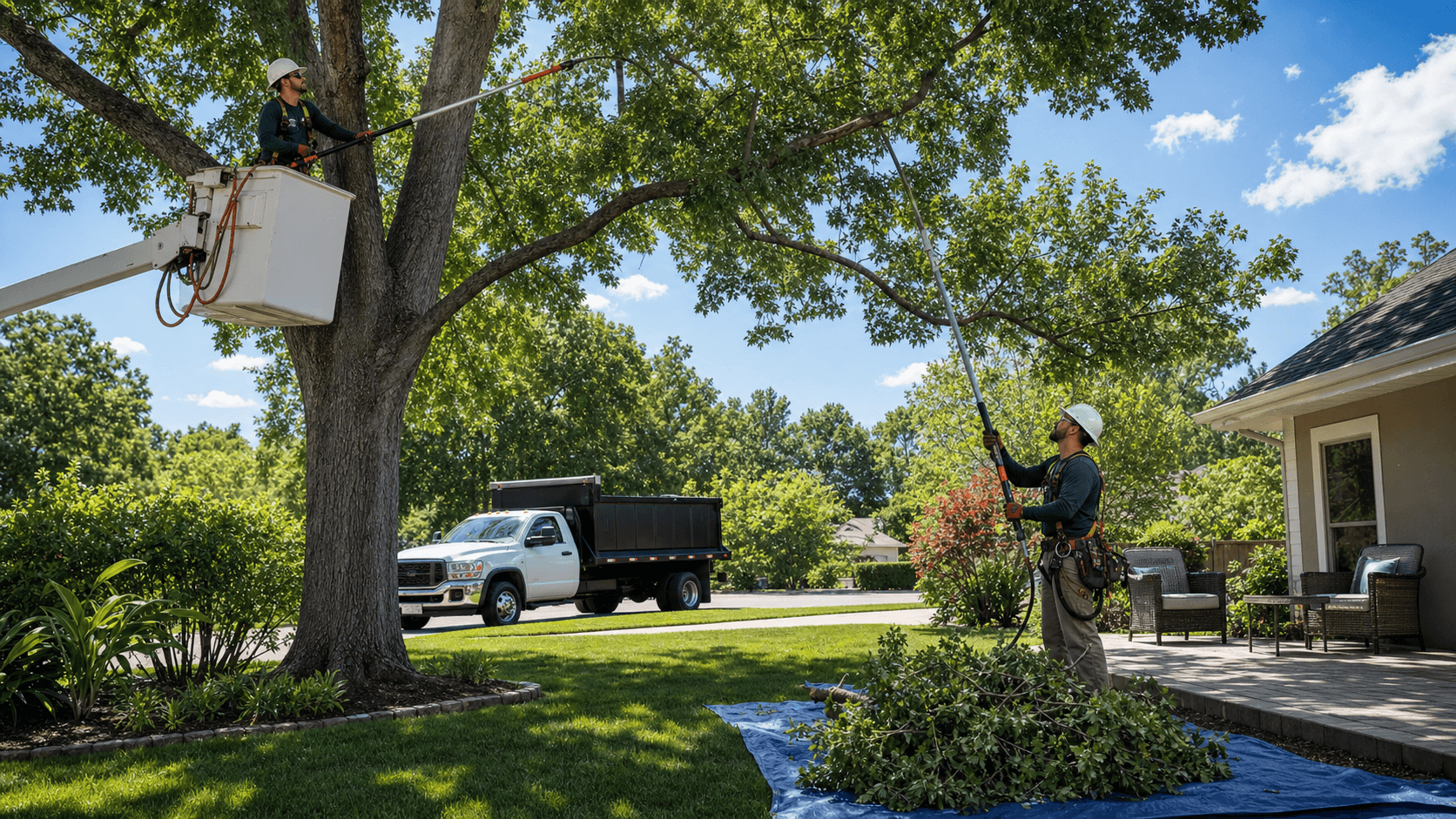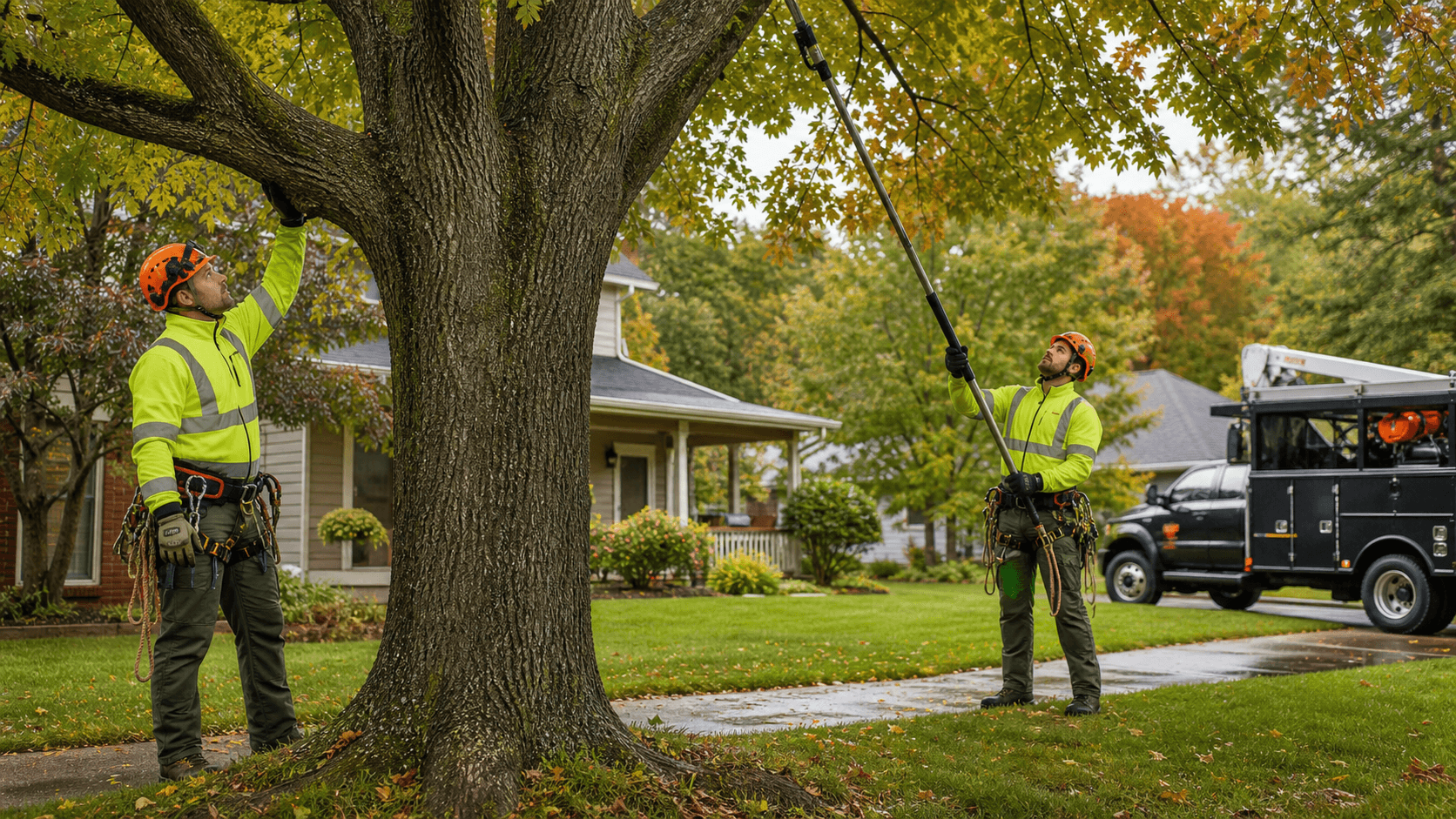
Late summer in Joplin can come with a shift in the weather that's easy to miss if you're not looking for it. The hot days are still here, but the clouds start hanging a little heavier, and the ground begins to hold moisture longer after a storm. This stretch of time is when our trees need a little extra check-in. The weight of upcoming rain, softer soil, and gustier afternoons puts trees under pressure fast.
By late August, we've already seen what the heat can do. Now is when we get ahead of the rainy season before it gets in full swing. Focusing on tree care services now helps trees avoid damage from overly wet soil, surprise root shifts, and soaked limbs that drop without warning. Getting ahead of it gives trees the best shot at staying upright, safe, and healthy into fall.
Start With Late Summer Tree Inspections
The best way to protect trees before fall rains is to look for the signs now. Inspections this time of year are all about spotting the weak spots that may not hold up once the soil gets soft and the water keeps coming.
- We check for overgrown or cracked limbs that lean heavily to one side.
- Roots showing above the soil or puddling water near the base are signs a tree may be unstable.
- Any clusters of bugs or signs of burrowing can mean weakness that rain might make worse.
- Small dead branches caught high in the canopy are better handled now than after they fall.
A solid inspection helps decide which trees need trimming, which ones may need support, and which are already showing early symptoms of trouble.
Why Tree Trimming Matters Before Fall Rain
Trimming isn't just about shaping, it plays a big role in how trees move with the wind and shed water during storms. When done at the end of summer, trimming helps trees deal with what's coming.
- By removing heavy, extra limbs, we reduce the strain that wet leaves and moisture can bring.
- Thinner branches near roofs, walkways, or vehicles need trimming so they don't become a hazard in strong rain.
- Cleaning up the canopy helps rain slip through instead of piling on top and weighing everything down.
- A lighter tree is less likely to snap or tear from the pressure of soggy leaf clusters.
Swartz Tree Service trims trees in late summer with ANSI A300 standards for health and safety and clears away all debris from pruning jobs to keep the property safe. This kind of prep helps each tree stay balanced. And when water starts pooling up, it matters that the branches above aren't adding stress to everything below.
Soil and Root Care to Handle Wet Conditions
Wet soil isn't always a bad thing, trees need hydration, but when water sticks around too long, problems start stacking up. The way the ground settles around each trunk matters more during the rainy season than people think.
- Loose mulch invites better water flow, but a thick or packed layer can keep roots too wet.
- Flattened ground near high-traffic areas holds water and may need aerating or loosening.
- Areas around trunks that show signs of erosion or soil shifting could cause trees to lean or sink after back-to-back storms.
- Newly planted or younger trees need the right soil height at their base, not too high and not too bare.
We check that roots are able to breathe. That's the key during long stretches of rain. Healthy drainage prevents deep roots from becoming waterlogged and weak, especially in trees just beginning to anchor themselves.
Remove Deadwood and Clear Out Hanging Debris
Summer storms leave a mess behind. Now's a smart time to take a look at what didn't fall but probably should have. Clearing out dead limbs and storm leftovers keeps the area cleaner and safer ahead of more rain.
- Dry, brittle branches often hang up high and absorb water quickly, making them more likely to snap off suddenly.
- Summer wind often breaks off smaller limbs that stay caught in the canopy and don't drop until heavier winds hit.
- Piles of leaf material or snapped twigs at the base can hold water and slow drying time around tree trunks.
- Removing loose material before it falls means fewer calls for cleanups after it's already caused a problem.
Swartz Tree Service removes storm debris, deadwood, and overhanging limbs on properties throughout Joplin and the Four-State area. Once we get into rainy weeks, everything feels heavier. Taking care of deadwood now keeps things lighter all around, both in the trees and on the ground.
Check Tree Position Near Gutters and Structures
Water starts the trouble, but it doesn't always fall evenly. Trees growing close to the house or reaching over parts of the roof can guide water exactly where we don't want it. That creates leaks, clogs, and damage that sometimes confuses property owners until the source traces back to overgrown limbs.
- Limbs hanging over gutters can channel water straight onto shingles or siding.
- Leaves built up along roof edges make perfect spots for water to get trapped and damage the structure.
- Roots pressing close to walkways or home foundations may start pulling water in, affecting how surfaces hold up.
- Clogged downspouts are common when trees skip pruning near rooftops.
We pay attention to angles, space, and leaf buildup now so drainage can work like it should later. A little trimming in the right spot often saves a much larger repair a few weeks down the road.
Help Trees Stay Strong Through a Wet Season
This time of year, we shift from helping trees grow to helping them hold on. After summer's long dry spells, the sudden load of rain and softened soil can be a hard adjustment. Trees that are shaped, secured, and cleaned up can handle incoming weather without leaning, breaking, or shedding large limbs.
Late summer prep has a way of preventing a lot of unnecessary problems later. It reduces fallen debris, helps roots hold steady in softer ground, and keeps the canopy from collapsing under its own weight. More than that, it sets the tone for the rest of the season. By the time the fall rains arrive in full, trees that were cared for now are way ahead of the ones left to fight the weather on their own.
Preparing now for the rainy transition from summer to fall helps keep property damage low and your trees in great shape. We're always ready to provide thoughtful, seasonal care that protects tree health while reducing weather-related hazards. To stay ahead of shifting weather in Joplin, explore our full range of tree care services. Call Swartz Tree Service today to schedule your visit.