Trees make a yard feel settled and shaded, but when a branch turns risky, it can take just one summer storm to turn that comfort into a cleanup. Around Joplin, late summer storms can get fierce, and if a branch is already weak or damaged, it won't take much for it to come down fast. That's why spotting trouble early matters. Tree branch removal isn't only about keeping your property neat, it's about making sure you're not caught off guard when a limb breaks or drops.
We always aim to catch problems before they grow. Looking up at your trees shouldn't make you worry, and knowing the signs of an unsafe branch helps keep everything below it safe too. It doesn't take special tools or deep knowledge to know when something isn't right; all it takes is a careful look at the right spots.
Signs a Branch Might Be About to Fall
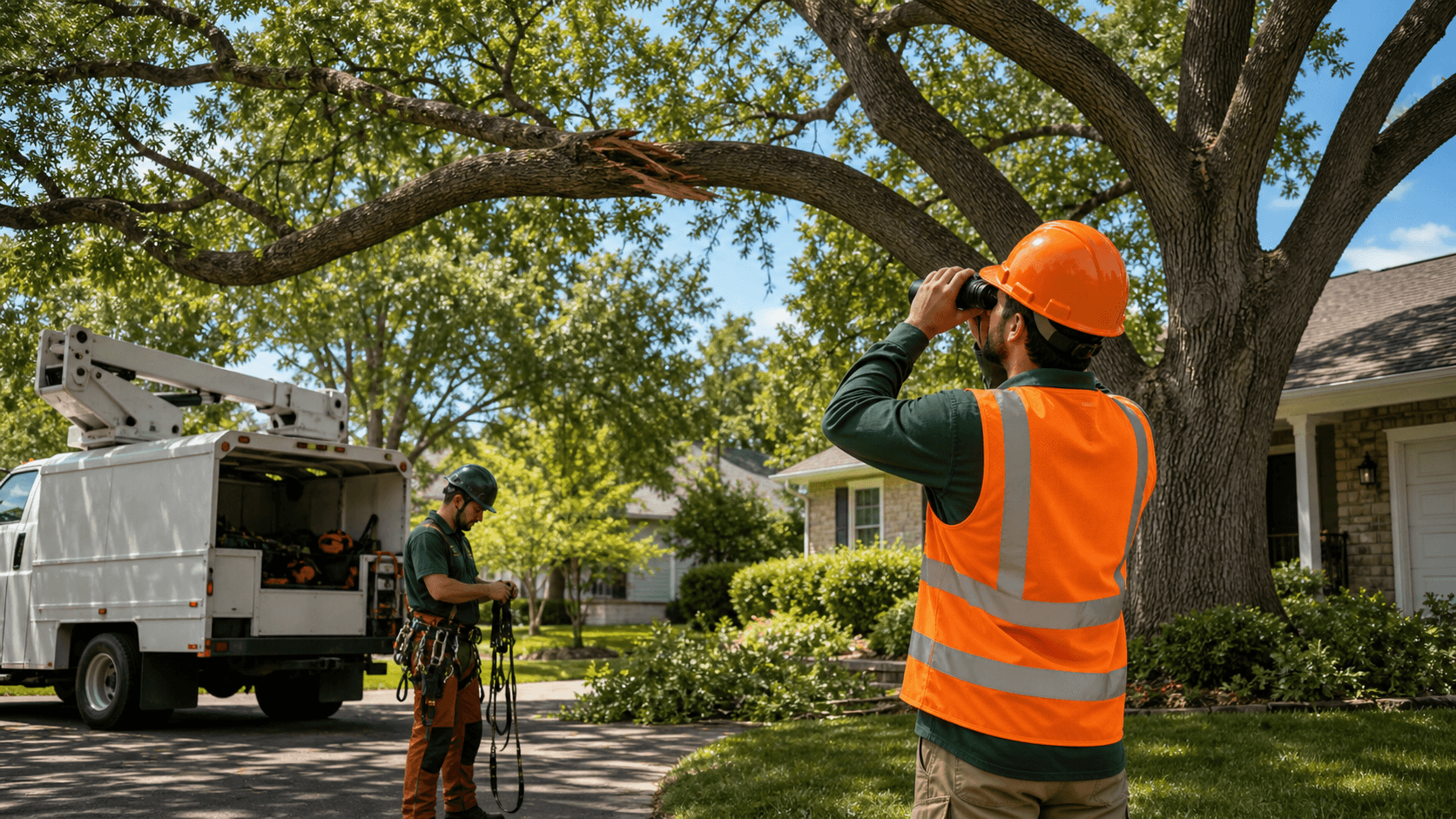
A branch doesn't always give a clear warning when it's ready to fall, but there are signs that show something's off. If we're out after a windy night or just doing a regular check, here's what we look for:
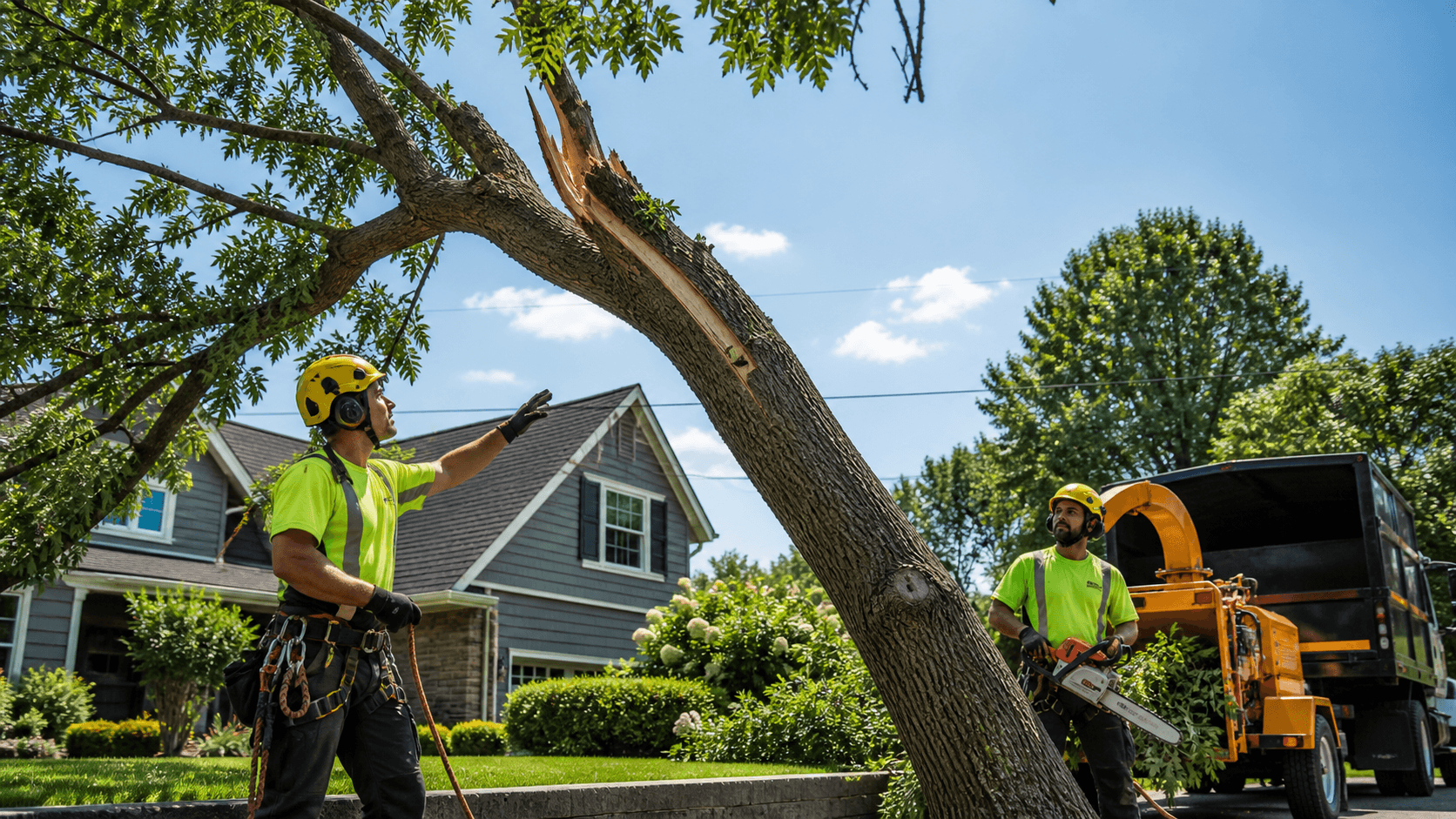
- Cracks or splits in the wood, especially after high wind or heavy rain
- Branches that stopped growing leaves during an active season
- Limbs that droop more than normal or seem to shift overnight
- Sudden leaning or twisting that changes how the canopy looks
Even healthy-looking limbs can surprise you. Some will carry damage in the middle that you can't see right away, but things like sudden tilt or bark popping open are huge red flags. Once a branch starts pulling unnaturally away from where it should be, it's best not to wait and see what happens next. If you have a tall tree, it can help to view the branches from a few different angles and even walk around the trunk to check for any differences that might not be obvious at first glance. Sometimes, a branch will show weakness by sagging farther on one side of the tree than the other, especially after several days of heavy rain or strong wind. When this happens, it's important not to ignore it, as these changes in posture can signal a much bigger risk in the near future.
What to Notice Around the Base and Bark
Sometimes, the danger starts near where the branch is attached. Taking a few minutes to check around the base can reveal a lot. Healthy trees keep that area strong and tight, but once decay or bugs move in, the connection starts failing.
- Peeling bark or large chunks falling off near the joint
- Soft or spongy wood where the branch connects to the trunk
- Fungus or mushrooms growing near cracks
- Sawdust or fine wood shavings that may hint at an insect problem
Branches under stress will usually show it over time. What starts small can change quickly when heat, wind, or wet weather stack up. If we see any of these signs, we know that structural weakness is already in play, even if the limb is still hanging on. An area with missing bark can also be a sign that water is not moving the way it should inside the wood, which can make the limb hollow or weak. Watching closely for changes along the trunk or main branch joint, especially after storms, helps catch trouble early.
While fungus is naturally found on lots of trees, spotting mushrooms or large clusters of fungal growth around the branch attachment should raise questions. Sometimes, trees will seal over smaller wounds, but large splits filled with soft or rotting wood often mean the inside is breaking down. Noticing these things early gives you more time to plan.
When Branches Grow Too Close to Homes or Power Lines
A branch doesn't have to be dead to be dangerous. When they start pushing into spaces where they don't belong, that's its own kind of warning. We see this a lot during the summer, when trees are at peak growth and pushing out in all directions.
- Long branches over decks, roofs, or parked cars
- Growth reaching into or across power lines
- Twigs rubbing against siding, gutters, or upper windows
- Limbs growing over sidewalks or play areas
These branches can seem stable, but when storms hit, they become trouble fast. Wind shakes them loose, and rain makes them heavy and awkward. Limbs near homes and wires don't just risk breakage, they can lead to bigger problems like outages or physical damage where they fell. That's why we don't wait until one touches the gutter or roofline before we take a second look.
Swartz Tree Service provides tree trimming, hazardous branch removal, and safe pruning for homes and businesses in Joplin, Missouri, to help keep property owners safer through storm season. Branches above walkways, power lines, and structures are prioritized for early inspection and removal. These spots can become dangerous with very little warning, so making regular checks is always worthwhile, especially after periods of fast growth or bad weather.
Sometimes, branches grow faster on one side of a tree, pushing toward fences or garages. Even if they seem balanced now, extra weight can cause them to tilt further when the weather turns rough. In these cases, trimming back branches early is a simple way to protect the spots you care about most.
How Weather Makes Risky Branches Worse
Late summer in Missouri often brings wild temperature swings and intense weather. That's the time when already weakened branches meet just the right mix of heat, rain, and wind. Even strong trees go through stress when the weather turns.
- Heat can dry out older wood, making it crack down the center
- Sudden rain adds weight to leaves and limbs, especially on overgrown trees
- Thunderstorms pull on already weak joints, turning a stable limb into a loose one
- Too much moisture can speed up decay in the bark and wood
Risk builds slowly but gives out fast. Branches that could handle pressure last month might split under the same loads now. That's why August in Joplin is a smart time to check before the next round of storms moves in with no warning.
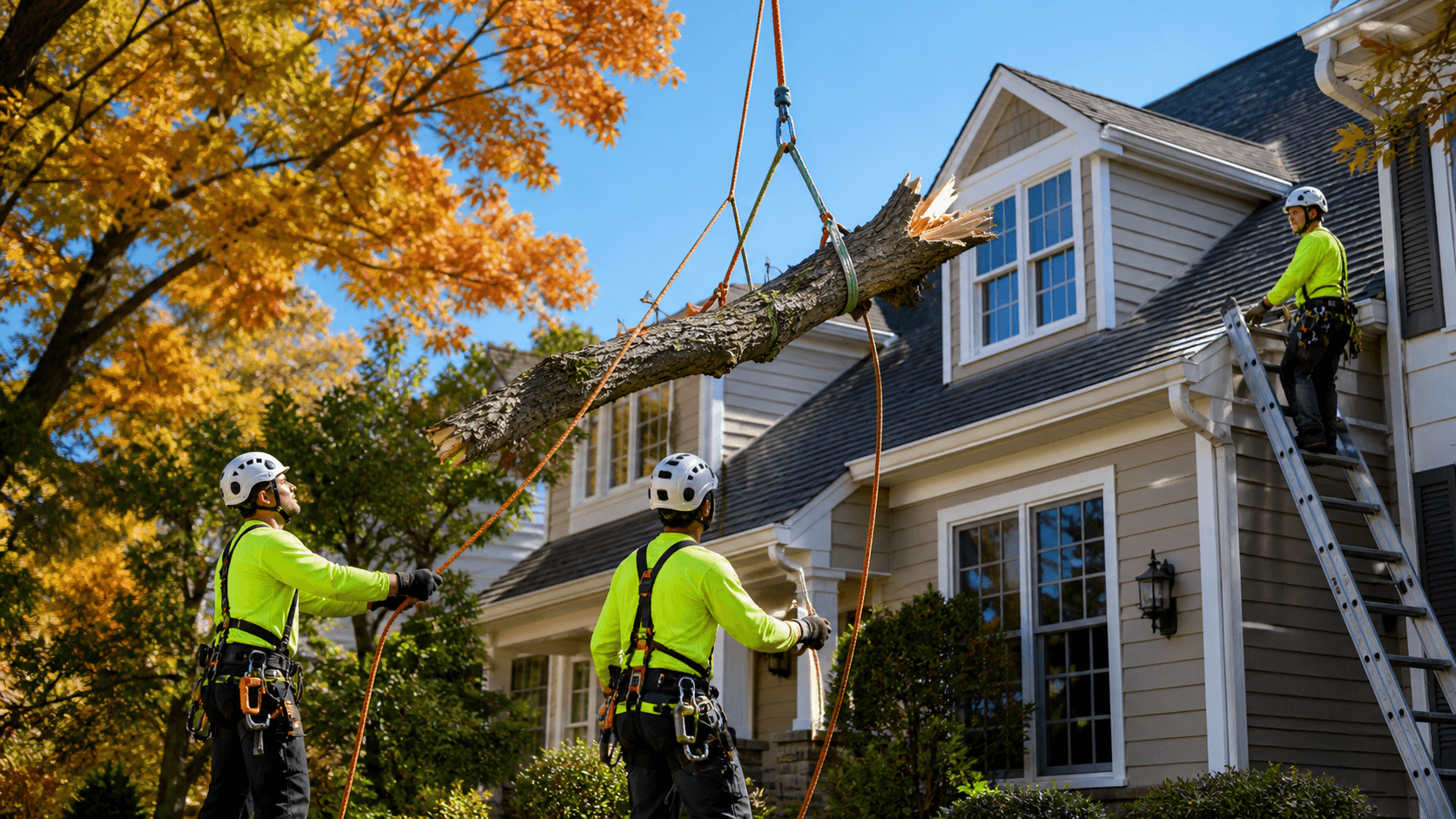
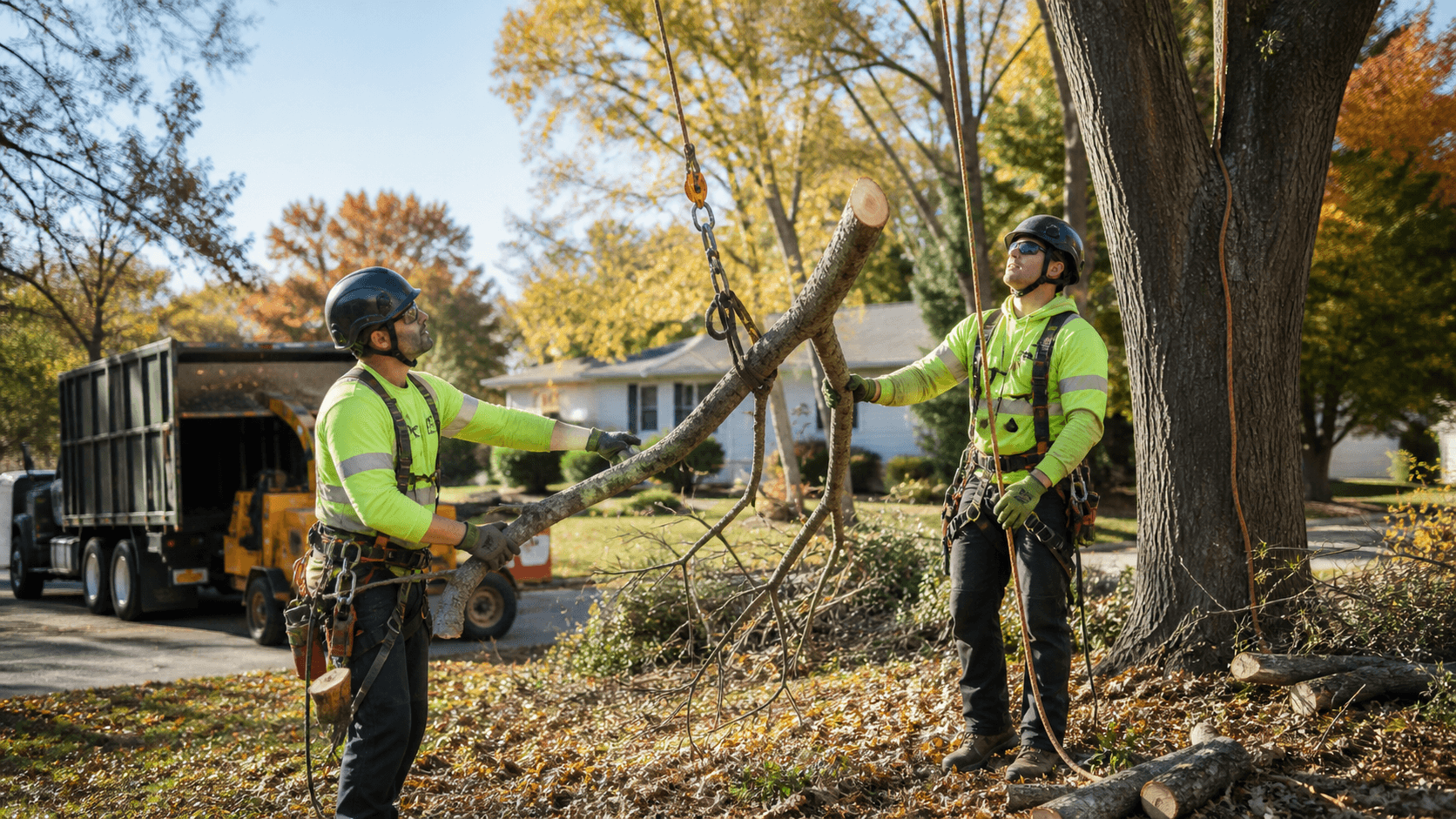
Swartz Tree Service uses bucket trucks, climbing gear, and rigging systems for safe branch removal during rough weather, as detailed on the service pages. Summer checkups in Joplin often find branches weakened by wind or heat, ready to fall without warning.
The way weather wears down trees can be slow at first, but the results are sudden. By the time a weak branch is swinging over a roof during a thunderstorm, the chance for simple fixes is gone, and what's left is cleanup. Watching the weather and paying attention to especially hot stretches or repeated storms gives you the best shot at catching branches before they turn into yard hazards. Remember, it can take weeks or just a few windy days for a weakened branch to go from steady to falling down.
Peace of Mind Comes from Knowing What to Look For
Trees should bring comfort, not stress. When we know what to watch for, we're in better shape to keep them safe and protect everything underneath. Tree branch removal isn't just a fix to make things look nice; it's a way to stop small problems from becoming big ones.
We've found that the best time to deal with weak branches is before they fall. A regular walk around the yard, especially as summer winds down, makes risky spots easier to catch before the next storm has the final word. Safe, trimmed trees help your yard feel ready for what's next, not waiting on cleanup after bad luck.
When your yard shows signs of trouble or branches look like they might not last much longer, acting early can help prevent costly storm damage. Late summer often brings hidden risks as limbs quietly weaken, so now is an ideal time to ask about tree branch removal before severe weather hits Joplin, Missouri. Swartz Tree Service is committed to helping you protect your property and maintain a safer landscape. Call us today and let our team take a closer look.