Long summer days in Joplin bring stronger sun, higher temperatures, and a lot more time spent outside. Trees soak it all in, but sometimes too much sunlight can leave lasting damage. Sun exposure is part of their natural growth, but just like people, trees can get overwhelmed during the hottest part of the season.
That means now is a good time to start paying attention to how your trees are handling the heat. When we understand how sunlight affects tree health, we're better prepared to protect our yards before anything gets worse. Regular tree care services help spot early signs of stress and steer trees through the toughest summer stretch without lasting harm.
How Sun Affects Tree Health in Summer
Sunlight itself isn't the problem. Trees need it for energy and growth. But during the long, hot spells of June and July, too much heat and light can throw things off balance.
- When sunlight hits the soil all day, moisture disappears faster than trees can take it in. Dry roots are one of the first signs of heat trouble.
- Younger trees still building their defense against the heat struggle more than established ones. The same goes for trees recently moved or replanted.
- Damage sometimes shows up as leaf scorch, which looks like brown, dry edges on leaves. In other cases, bark may darken or even crack.
- Roots can weaken if exposed to continuous dry spells, especially in wide open spaces without much natural shade.
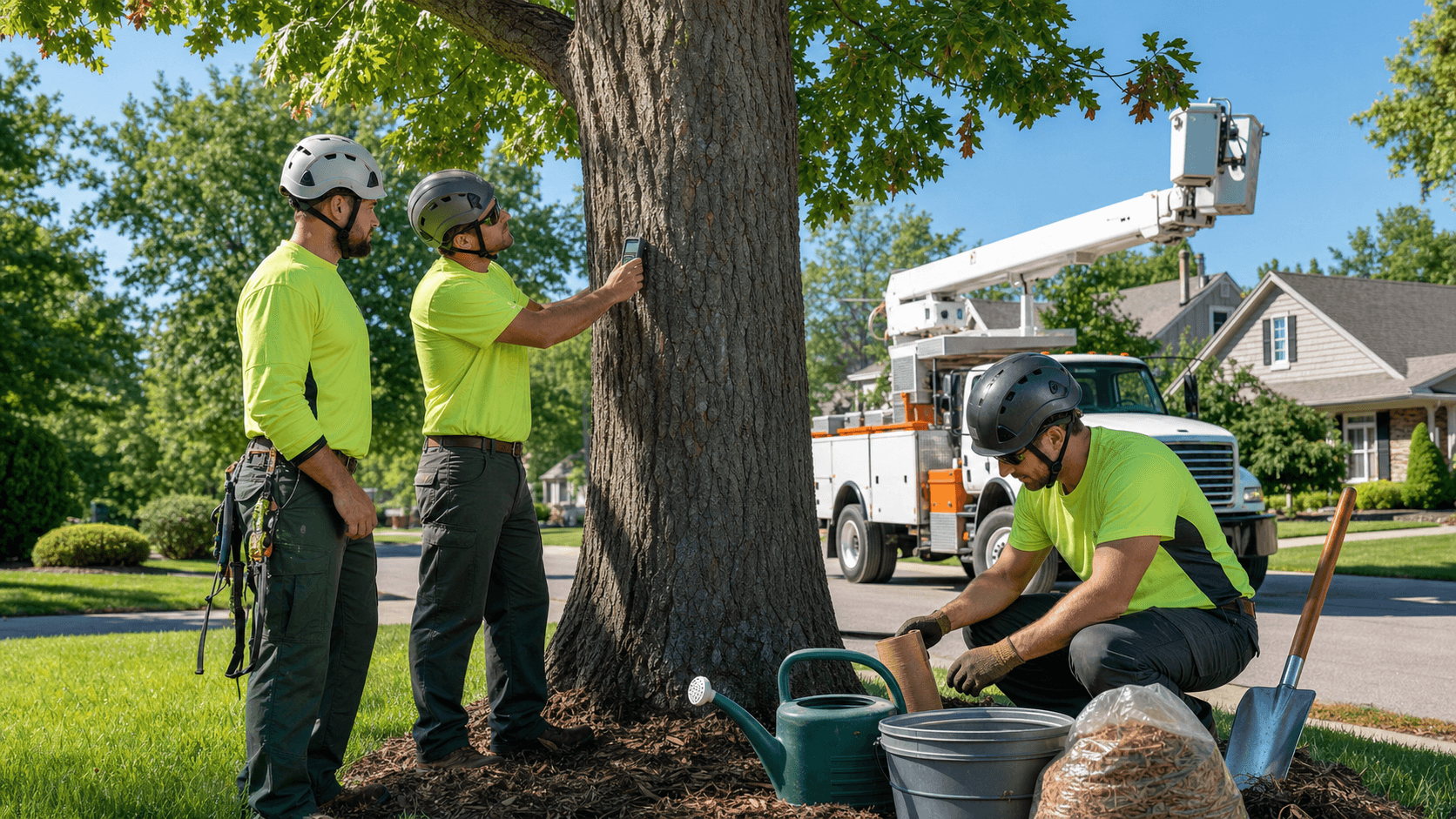
Swartz Tree Service provides tree health checks throughout the summer, looking for leaf scorch, rapid canopy thinning, and root exposure on properties in Joplin and the Four-State region. Sun intensity can change depending on where a tree sits in the yard. Some areas get more direct light from sunrise to sunset, which adds to the strain.
Warning Signs of Sun Stress
Trees don't speak, but their appearance changes when they get overwhelmed. Summer heat stress shows up in a few common ways that are easy to spot once you know what to look for.
- Leaf edges curling or turning brown is one of the first signs. In severe cases, whole patches of leaves may go pale or dry.
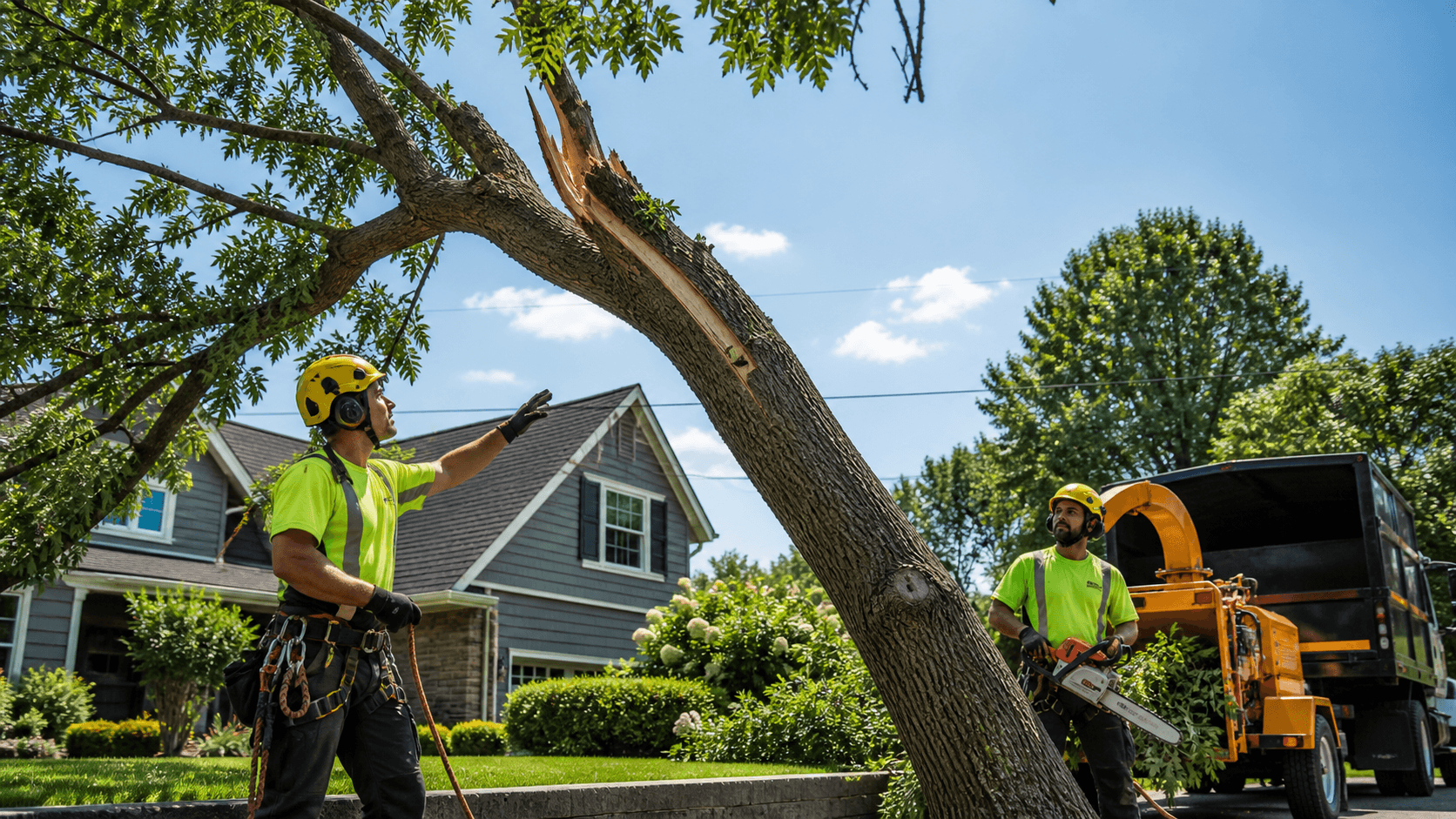
- Bark that starts to crack, peel, or flake off in chunks may be reacting to surface heat and not just age or insects.
- Drooping branches that never seem to perk up, even after rain or watering, can mean stress below the surface.
- When the middle of the tree starts to look thinner than usual, or if you can see straight through the canopy from one side to the other, something may be off.
Spotting these issues early keeps the damage from spreading. It also gives the tree a better shot at recovering while summer still has time left.
How Shade and Canopy Shape Make a Difference
We often think about how trees provide shade, but trees also rely on their own branch structure to stay cool. The shape of the canopy affects not only how much sunlight hits the ground, but how evenly the tree protects itself.
- A balanced, full canopy acts like a natural umbrella. When branches are grown and spaced well, they keep leaves and bark shaded from the harshest rays.
- If parts of the canopy look sparse, especially on one side, areas of the tree may get overexposed and damaged.
- Trees that grow fast without much direction may crowd too much at the top or sides, blocking air movement and trapping heat.
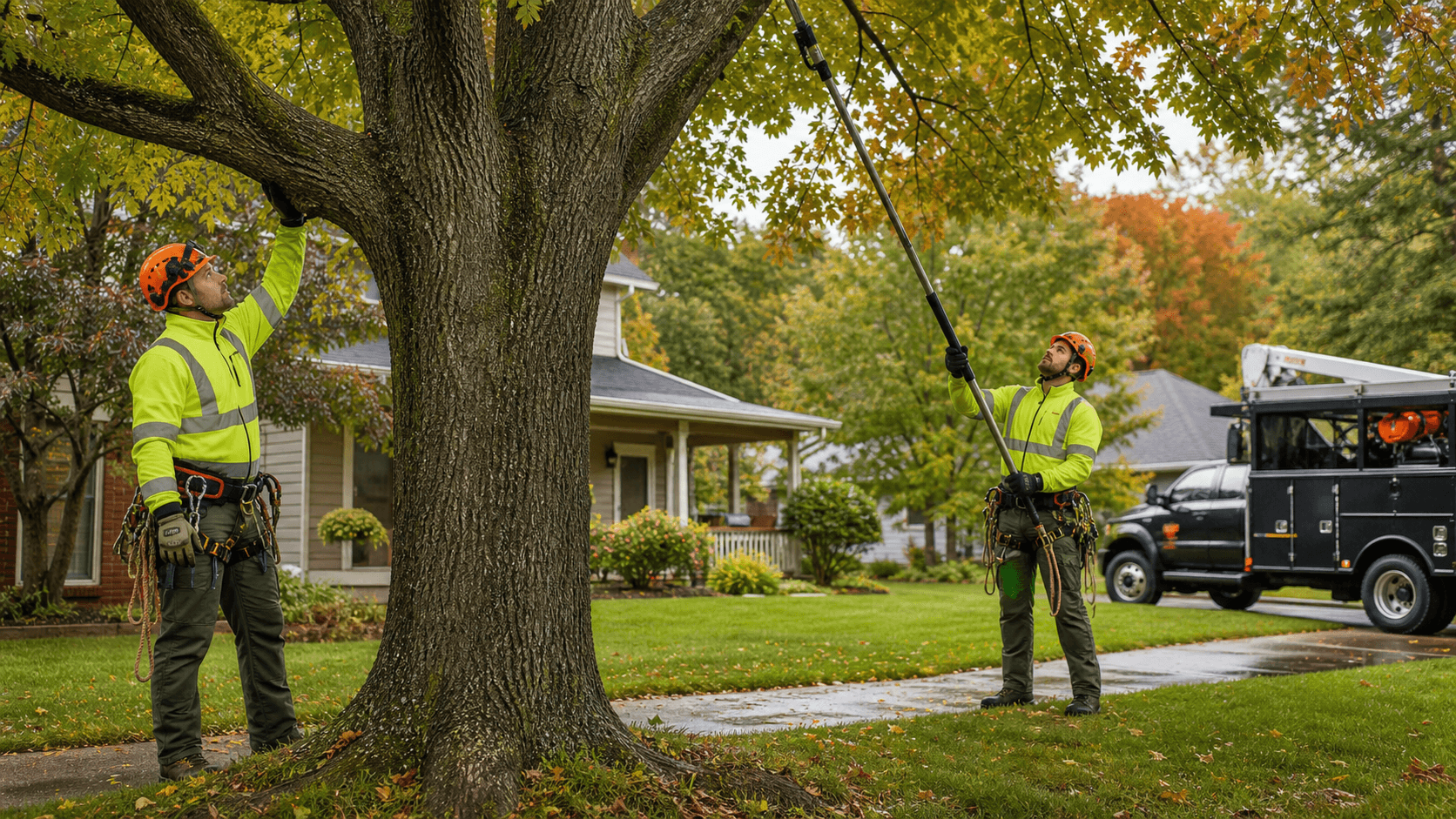
- Proper trimming can help keep sunlight spread evenly across the tree, lowering temperature stress and boosting airflow.
Swartz Tree Service offers pruning and shaping to help create even, healthy canopies that naturally block strong sunlight. When we shape trees with purpose, every branch has a role, and no area feels forgotten or overworked.
Summer Sun and Watering Challenges
Keeping trees hydrated through peak summer is harder than it looks. The sun pulls moisture from the soil daily, and not all yards hold water the same way. Trees in exposed areas usually need more water than those surrounded by shrubs or taller trees because they lose moisture more quickly. Even established trees sometimes show signs of stress when the temperature keeps climbing week after week.
- Trees in full sun, especially young ones, may need more water than established trees surrounded by other shade.
- Too much water can hurt too. Overwatering can lead to shallow roots and increase the chances of decay or fungus.
- The timing of watering matters. Early morning or evening is better, when the sun isn't working against you.
- Dry soil doesn't always look dry on the surface. Digging down a few inches and checking the soil can give a better idea of whether your tree is getting what it needs.
Some yards have soils that drain quickly, while others stay damp, affecting how roots absorb water and nutrients. If mulch is in place, it can help lock in moisture, but thick layers can sometimes prevent rain from getting to the roots. We recommend adjusting mulching and watering as weather changes, especially when the sun is stronger or drought conditions linger.
Swartz Tree Service educates property owners on smart watering and mulching practices, helping reduce watering needs and maintain deep, healthy root systems. Balancing water and sunlight isn't about guessing. Trees show signs when something's off, and it's better to tweak watering earlier than catch up after signs of stress appear.
Long-Term Stress and Recovery
One long, hot day doesn't usually cause lasting harm. But months of deep heat and strong sun can wear a tree down in small, silent ways. Recovering from summer stress can take time, and the evidence sometimes appears later. A weakened tree is more likely to suffer from pests, diseases, or slower growth in the next seasons.
- Trees that get pushed too hard in summer may not recover overnight. Damage can show later in the year during windstorms or the first cold snaps.
- Heat-weakened limbs tend to break faster and are more prone to disease.
- Trees struggling through multiple summers may lose the ability to recover completely, even with better care the next year.
- Keeping an eye on older trees or those that already had issues last season can prevent bigger problems down the road.
Repairing or replacing lost canopy after heat damage usually requires careful pruning and more watering in the weeks that follow. Recognizing exhaustion in your trees early, before signs of lasting stress appear, helps prevent long-term issues. Long summers are challenging, but patient, steady care gives trees the energy to adapt and recover.
Good care during summer gives trees the stamina to keep going, especially when fall brings new changes in weather and moisture levels.
Summer Tree Health Protects Your Whole Yard
Healthy trees help create cooler spaces, reduce stress on lawns and plants, and make yards more enjoyable during the hottest days. They offer shade where it counts and help balance the look and feel of outdoor areas.
- A shaded yard makes it easier to enjoy patios and porches, and it lowers the heat reflected off driveways and paths.
- Trees that are supported through heat spells won't just survive, they'll stay strong enough to shield other parts of your property too.
- Watching sun patterns and adjusting watering or trimming needs now means less stress later, both for the trees and everyone living around them.
Shady trees also help shield delicate garden beds and lawns, protecting them from burning and drying out. Well-timed pruning prevents crowded branches and encourages steady airflow, which helps support nearby flowers and shrubs. When we support trees' summer health, the payoff spreads across the whole property in cooler walks, greener lawns, and better air quality.
Yard care doesn't stop when summer hits. Paying attention to tree health in full sun keeps everything stronger and safer as the season goes on. Sun stress doesn't always show up loudly, but with steady care and understanding, we can help trees stay steady through the hottest days of the year.
Sun takes a toll on trees in ways that often go unnoticed until the damage adds up. That's why staying on top of care during summer is just as important as preparing in spring or cleaning up in fall. We help trees stay healthy through the hottest part of the year with regular support, trimming, and seasonal checks. When your yard needs attention, our tree care services in Joplin are ready when you are. Call Swartz Tree Service today to schedule a visit and keep your trees in shape all season long.