A dead tree might not seem like an emergency when you first notice it, but it does not take long for the problems to start piling up. Once a tree stops growing, all the natural systems that kept it stable begin to break down. So it is not just an eyesore; it is something that can seriously affect the safety of your yard.
Dead tree removal is more than an appearance issue. It is about what keeps your space safe for people, pets, and property. As we move toward early summer in Joplin, it is the right time to take care of dead or dying trees. Waiting too long, especially into storm season, adds more risk than most people expect.
Signs a Tree Has Died and Why Timing Matters
Not all dead trees look the same. Some stand upright for months before showing clear signs. But a closer look at the surface and base can tell you a lot.
- Look for brittle branches that snap easily when touched. If there is no leaf growth by late May, that is a big red flag.
- Mushrooms growing at the root or base usually mean decay inside the trunk.
- Missing bark, peeling layers, or deep cracks in the trunk mean the tree is no longer repairing itself.
The longer a tree sits dead, the weaker it becomes. In Missouri's early summer heat, dry weather often speeds up how brittle the wood gets. That means limbs are more likely to break without warning, even with light winds. Add in humidity, and internal decay spreads faster too. Early summer is the narrow window before growth from nearby plants and storms in June make removal more difficult.
Hidden Dangers of Leaving a Dead Tree Standing
Some problems show up above ground. Others stay hidden until a storm or dry spell makes them worse. Leaving a dead tree in place creates risks in more ways than one.
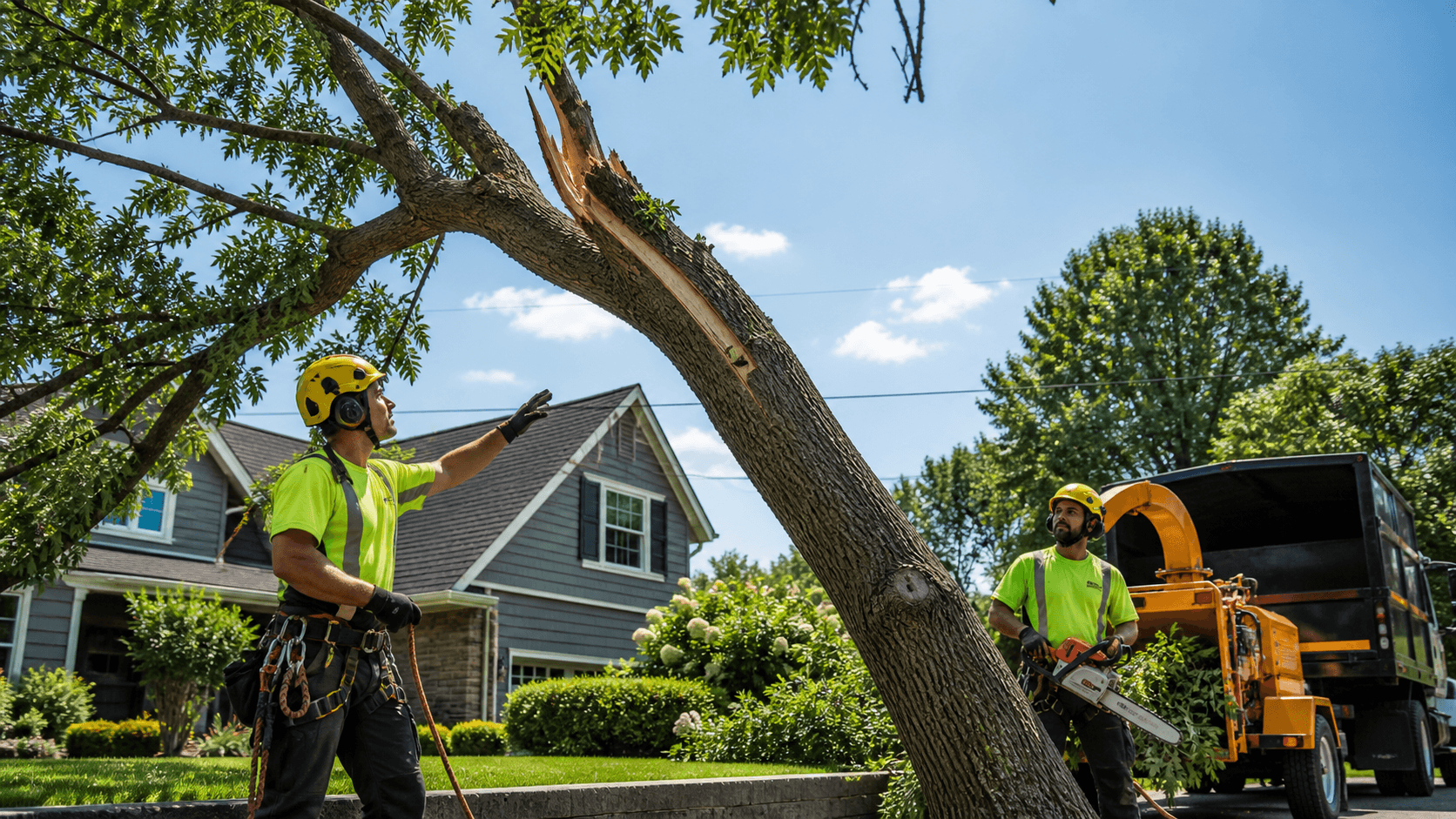
- Dead limbs can fall without warning, especially during summer storms or after a high wind gust. Even a small limb becomes dangerous if it drops from above.
- Root damage is less obvious but just as serious. Dead root systems begin to rot underground, which can lead to soil collapse around sidewalks, fences, or driveways.
- Dead trees dry out quickly. In dry months, they become fire hazards. One spark or lightning strike can turn a dead tree into fuel.
All of this creates danger that does not always look urgent. But one small shift from rain or wind can activate years of internal damage. Ignoring it increases the chance of things going wrong at the worst time.
How Dead Trees Attract Pests and Create New Hazards
Even if a dead tree is not falling over yet, it is still a beacon for unwanted pests. Insects and animals take full advantage of dying or rotting wood.
- Dead trees draw in termites, ants, beetles, and other insects that chew through weak wood and can spread to nearby wooden structures.
- Woodpeckers and squirrels use rotting tree trunks for nesting. They create holes, break off pieces, and make removal more difficult later.
- Once wildlife moves in, it speeds up the damage. Fresh holes open the surface, moisture gets in faster, and what is left begins to fall apart from the inside out.
These changes develop gradually. But once the pests show up, the damage can become worse quickly. Removal gets harder and riskier the longer the tree is left to break down.
Why Professional Removal Is Safer Than Waiting
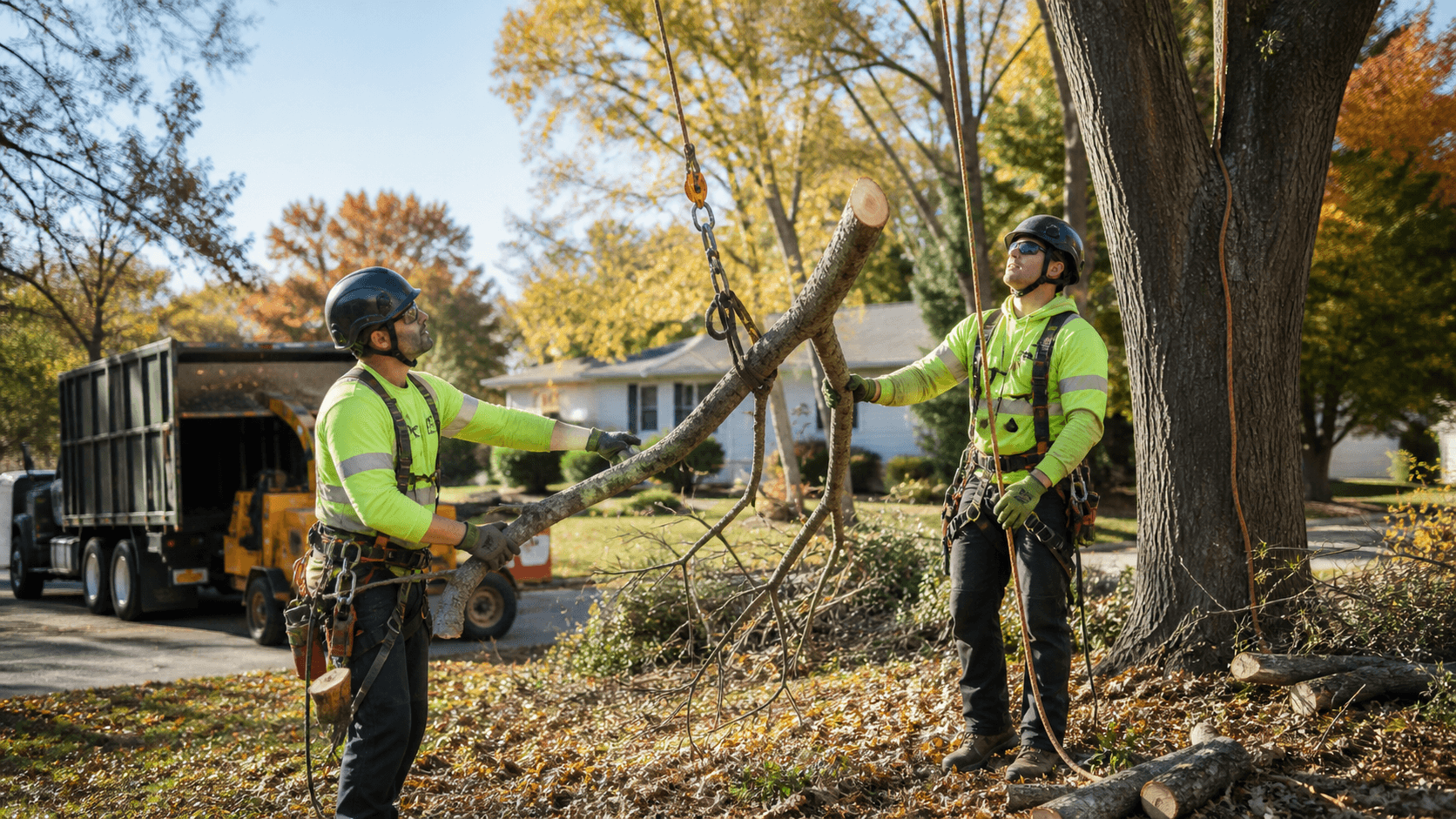
Dead tree removal is not just hard work; it is work made harder by how unstable things get over time. Without the right equipment or strategy, it becomes a safety risk and a hazard to nearby homes and yards.
- Weak limbs may snap the moment a saw touches them. When there is no live tissue holding sections together, control becomes hard to manage.
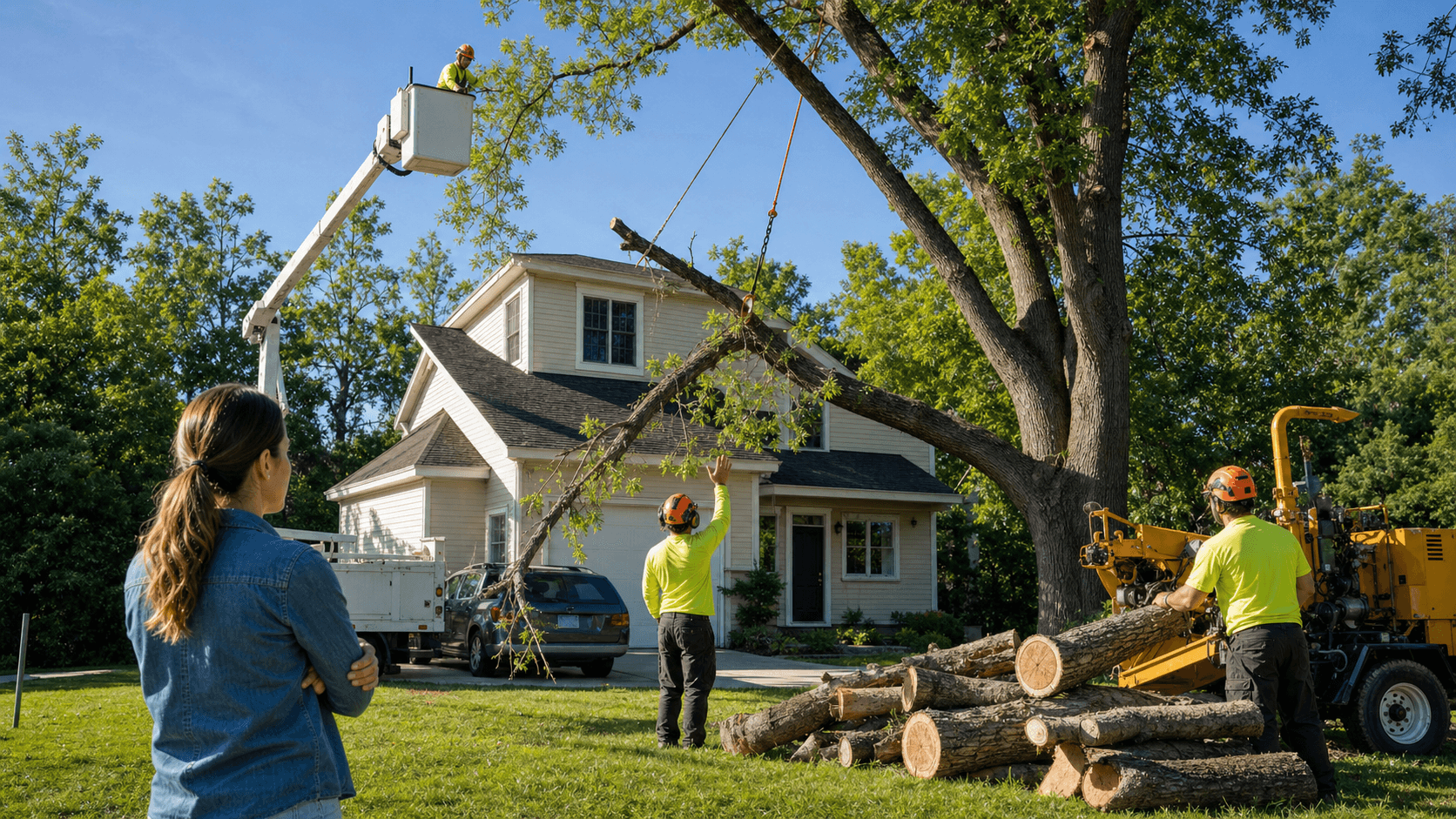
- Trees near fences, power lines, sheds, or decks need precise planning. A small mistake can damage things that are expensive to repair.
- Some tree damage is not visible. Professionals know where to check for cracks, rot inside the trunk, or soft soil at the base that signals deeper issues.
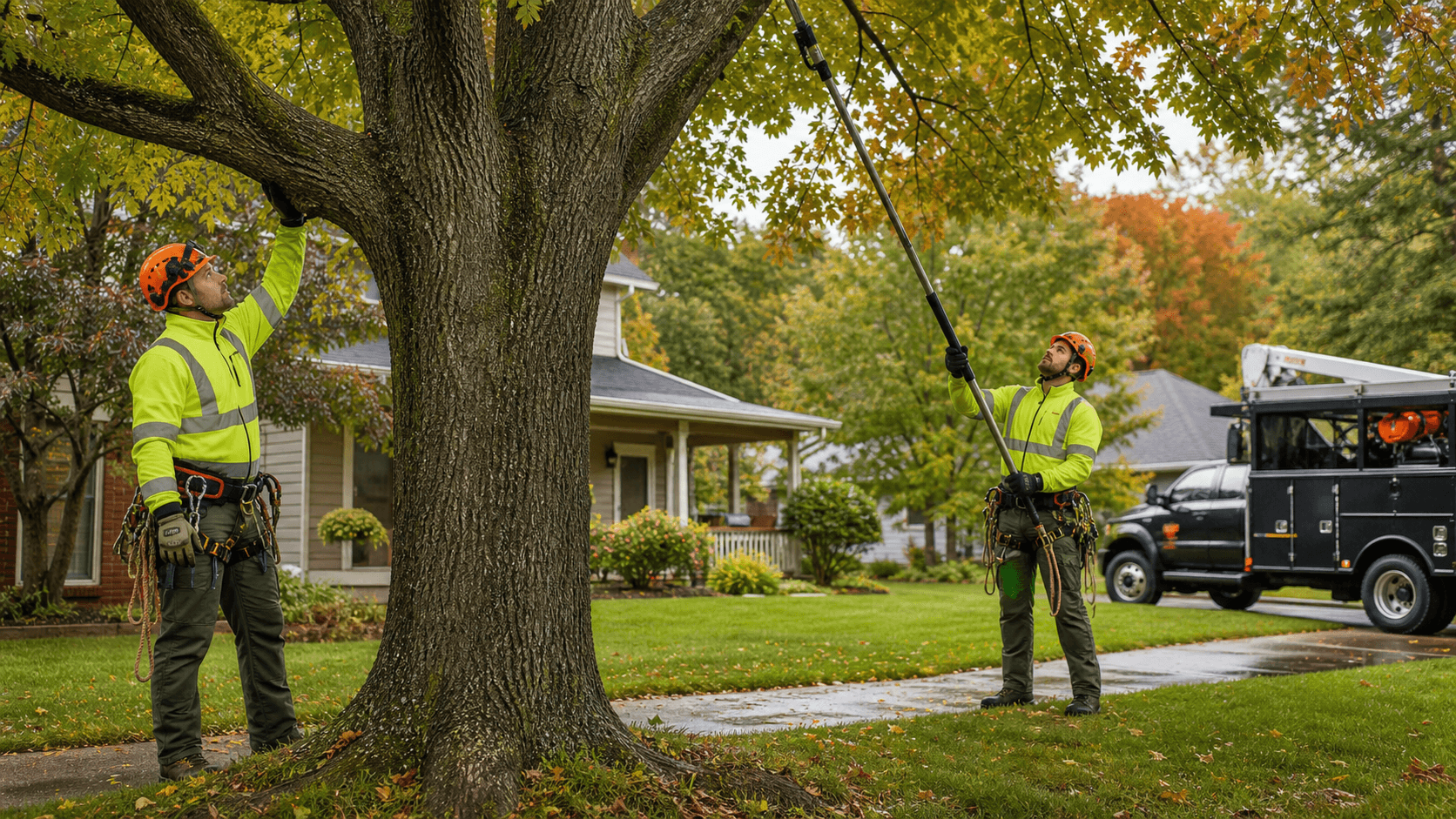
Swartz Tree Service uses commercial-grade equipment for removals and offers thorough site cleanups to help keep Joplin yards safer. Guessing where a dead tree might break or fall can lead to mistakes. One overlooked detail can turn a simple job into a major headache. When someone with training and the right tools handles it, the job gets done safely.
A Secure Yard Starts with What You Remove
Our yards are supposed to be places where we relax, let pets explore, or gather on weekends. A dead tree risks changing that. It may be upright today, but the second summer heat or high winds roll in, it can create a different situation.
Taking care of dead wood now puts some control back in our hands. Trees that are strong and healthy can finally grow without threats nearby. Kids can run under the canopy without concerns about what is hanging overhead. And when summer storms hit, we are already a step ahead of the damage.
Small actions right now can prevent bigger messes down the road. Dead tree removal is something that should not remain on the to-do list for long. Once it is addressed, the whole yard feels safer. That peace of mind comes from acting while conditions are clear.
Noticing a dead or dying tree in your yard can be worrisome, especially with summer storms approaching Joplin, Missouri. Weak branches and hidden decay often go unnoticed until there is a problem, which is why removing them safely matters. At Swartz Tree Service, we understand how quickly tree conditions can shift in the heat and humidity. To help keep your property safe and your yard comfortable, review our dead tree removal process and call us today to take the next step.